
I hope everyone has recovered from their Thanksgiving festivities and has started to lose the effects of their food hangovers. On black friday morning (well I guess since stores opened incredibly early this is sort of black friday afternoon already) I thought I would bring you a lyricist who would most likely laugh at the absurd superficiality of trampling savings. The #79 greatest lyricist of all time: Arthur Lee, frontman, multi-instrumentalist, and lyricist for the band Love.
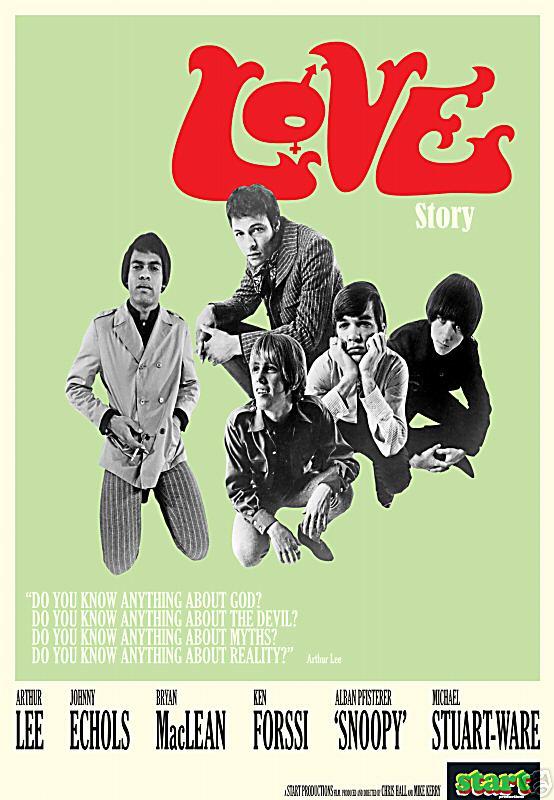
Arthur Lee was prophetic. On Da Capo, Love’s second album (which was recorded in 1966), Love released a 19-minute epic jam entitled “Revelation” that took up the whole second side of album. This musical exploration was pre-dated a few months by Bob Dylan’s second side filler on Blonde on Blonde (“Sad Eyed Lady of the Lowlands”) and Frank Zappa’s “The Return of the Son of Monster Magnet,” which was released a little after Dylan on Zappa’s Freak Out. Still, Lee and Love were among the first to record these long jam songs. The Rolling Stones followed Love’s example and recorded “Goin’ Home” which resembles Love’s work. Now, of course, people say it was the Stones who inspired Love, while it was the other way around.
On the same album the song “7 and 7 is” made a little splash as a single reaching a peak spot of 33 on the charts. But, its influence as a premier example of the “proto-punk” genre inspired future covers by such bands as The Ramones, Alice Cooper, and Rush.
Travel to Love’s third album “Forever Changes,” which, while not gaining respect immediately, did like any famous dead artist and gained its respect after Love disbanded. The album is now considered #40 on Rolling Stone’s top 500 albums of all time. The ambitious album ended on the extended rock opera, “You Set the Scene,” which certainly set the stage for numerous future rock operas which began dominating the world of music a few years later.
From jam sessions to “proto-punk” to rock operas, Love inspired numerous different genres of music by testing them out before they became popular. They were the musical guinea pigs and luckily now they, and the man at the helm Arthur Lee, are finally gaining the respect that they deserve. Oh yeah, I forgot the mention the reason why I am writing this profile. Besides Lee’s music which is a delicate mix of folk/rock, psychedelic rock, spanish pop, “proto-punk,” baroque pop, throw another genre in and he probably fits it, his lyrics are extraordinary examples of the dark lyrics that began flooding the airwaves during the late 1960’s. This is one thing that makes Arthur Lee so impressive.
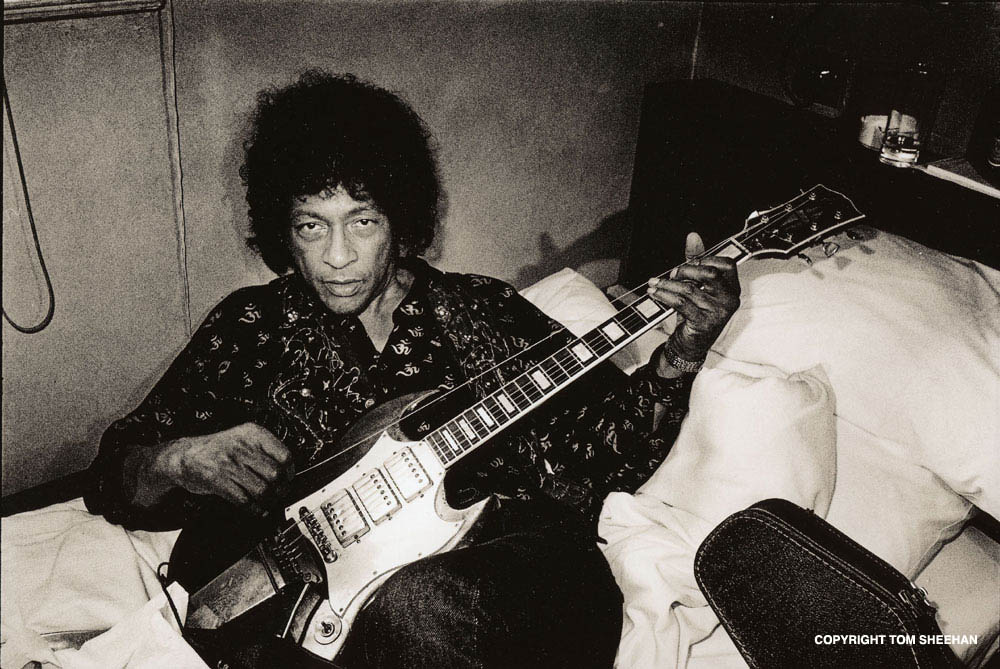
Lee, born Arthur Taylor, came from a musical father (Chester Taylor a Jazz Cornet player) and then, after his mother married him, Taylor was adopted by Clinton Lee and had his name legally changed to Arthur Lee. During his school years he excelled at basketball and music, ultimately choosing music as a career goal. Even before 1965, Lee was already recording folk/rock with his band The Grass Roots (not the Grass Roots that recorded “Let’s Live for Today”) before The Byrds started dabbling in the genre. Lee and his band eventually took a new name to a vote and Love was the popular choice. The band started touring and eventually Elektra Records signed them.
When exploring Love’s music it is important to look at some of Lee’s lyrics that made the music great.
In “The Red Telephone,” one of Love’s most known psychedelic pieces, Lee writes:
“Sitting on the hillside
Watching all the people die
I’ll feel much better on the other side”
This simple three-line phrase displays Lee’s lyrical prowess. It is broad enough to symbolize anything, yet, specific enough that one understands what Lee is trying to say. His wry humor also comes out in the line, “I’ll feel much better on the other side,” which, while representing his own death, does it in a “grass is greener on the other side” humorous way.
The best example of Lee’s mastery of lyrics comes in the last track of the album Forever Changes which is one of Love’s most creative tracks. The rock-opera “You Set the Scene” is not only an intricate mix of different styles of music, but it also represents the imminent death that Lee thought to be facing. The lyrics reflect this.
“This is the only thing that I am sure of
And that’s all that lives is gonna die
And there’ll always be some people here to wonder why
And for every happy hello, there will be good-bye”
These lyrics just explain it all don’t they. But, as much as people may take them to be depressing they are not. The lyrics are factual. Lee does not lie. He knows the absolutes of life and it is explained in these lyrics. These existential lyrics explore the only thing that human beings can know. Death, and the Jets and the Mets failing, are the only two things in life that people can be sure of. Lee extends his exploration by also writing that when death exists there will inevitably be people here who attempt to figure out what happens after death, and, no matter what, when there is a hello, there needs to be a good-bye. It is so obvious, but, unlike many lyricists who attempt to explain these facts by hiding them under elaborate metaphors, Lee just comes out and plainly says them. This is why he is one of the better lyricists of all time.
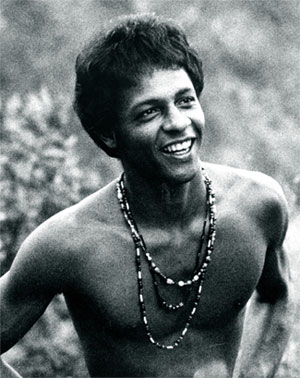
Fun Fact: Lee’s composition, “My Diary” was his first to almost became a hit. It was written for R&B singer Rosa Brooks who performed and recorded it. The song included a man by the name of Jimi Hendrix (think you may have heard of him) on the electric guitar. Lee had seen him play with the Isley Brothers and asked for him. This is considered by many to be the first known studio recording of Jimi Hendrix playing guitar.
Check out “The Red Telephone” live in 2003: http://www.youtube.com/watch?v=RpsphN4Q5TM

 The Music Court
Leave a comment