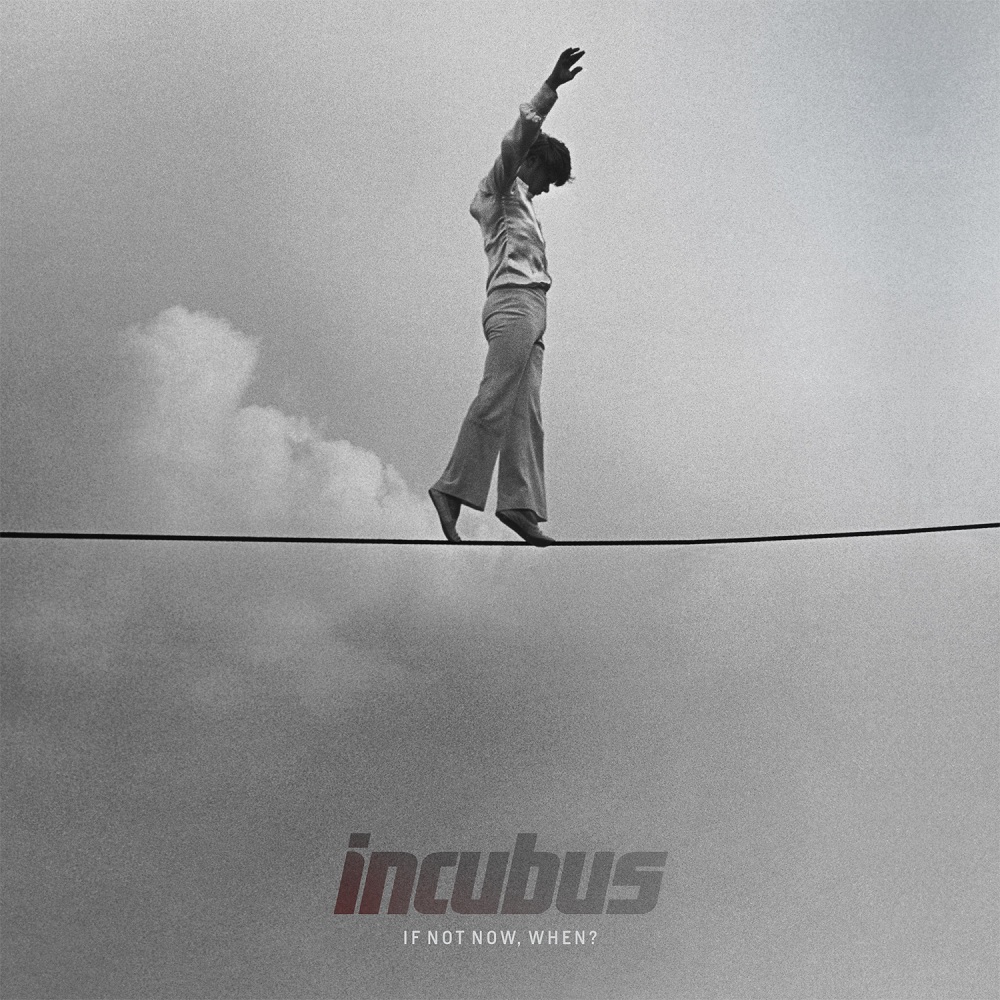
The album cover is a picture of high wire artist Philippe Petit, the subject of the documentary Man on Wire, that focuses on his death defying wire walk between the Twin Towers of the World Trade Center in 1974
Incubus’ new album, If Not Now, When? hit the shelves today and it does not disappoint at all. Though the album lacks the harder rock feel evident in Make Yourself and Morning View, every song contains brilliant harmonies and an easy relaxing tone.
It’s no secret that Incubus has been moving towards more experimental sounds with less punch and aggression, and this was made clear by the album before this one, Light Grenades. If Not Now, When? is the evolved state of that transformation.
With that all said, this album has Incubus’ pure sound that is undeniably their own. As with every album produced thus far, Brandon Boyd’s voice gives a unique sound that dots the i and crosses the t in the sound produced. Every song on this album could arguably be plugged into any of the other Incubus albums and it wouldn’t feel too ridiculously out of place.
Most of the songs are about love and relationships, making for lyrics that could sweep a girl off her feet.
“Friends and Lovers” and “In Company of Wolves” fit into the parameters of experimental tunes while others fit into slower rock expected from Incubus such as “Isadore” and “The Original.”
A trend I noticed in the album is that in the “experimental” songs, Incubus seems to harmonize and create melodies with an organ/synth in the background, which is a slight abnormality.
“Isadore” and “Adolescents” are my two favorite songs off of the album. In “Adolescents,” the band really rocks and this gives Jose Pasillas a chance to show what he can do on the drums. Pasillas doesn’t have formal training on the drums, but can blow most drummers out of the water. He doesn’t get to showcase himself as much as he could in songs such as “Pardon Me” and “Stellar,” but he adds so much to the album with his skillful fills that never sound out of place.
The album is only 11 songs long, however it does leave the listener satisfied. All but two songs are longer than four minutes (leaving a few songs dragging on just a bit too long,) while “In Company of Wolves,“ (the most experimental song of the album especially after the 3:30 mark) is well over seven minutes long.
The one song that feels out of place in context of the album is “Switchblade.” While it is a good song that would fit in other Incubus albums, it seems out of place as it goes faster and Boyd is on the verge of rapping during some of the verses.
I miss Incubus’ use of turntables in the album. The turntables allowed for an interesting twist that normally isn’t found in rock songs. They never over-used the tables; listen to the pre-chorus of “Drive” and it belongs perfectly.
I would highly recommend this album. It’s relaxing and has a mix of both enjoyable rock and songs jam-packed with constantly changing harmonized melodies. The album leaves you wanting more and, because of this, the tour should run smoothly.
For those who just like downloading individual songs off of iTunes I would recommend “If Not Now, When?,” “Promises, Promises,” “Thieves,” “Isadore,” “Defiance,” and “Adolescents.”
If you have any views, comments, or questions, please comment on this article or tweet me at @MusicCourt or @AndrewLeibo and I’ll be happy to discuss or debate with you.
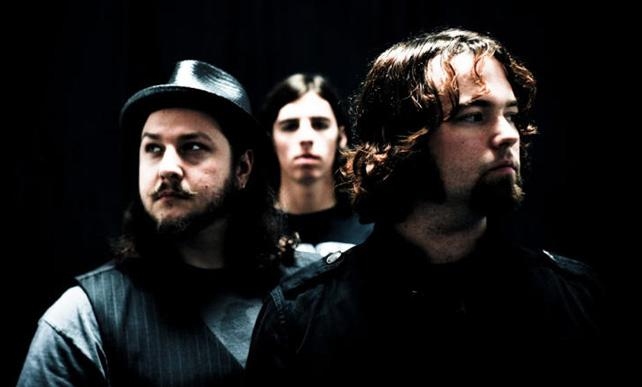
On June 23 of last year I profiled Heavy Glow on the New Band Palace. It is sheer coincidence that I am bringing the band back on the blog today. Something about June and Heavy Glow, I guess. Never heard of Heavy Glow? Click on their name above for last year’s post on the three-man hard rock group. Their new nine-track release Midnight Moan treads the line between hard blues rock and heavy metal. But not the heavy metal that you may immediately think of. Heavy metal traces its roots back to the late 1960s when blues rock and psychedelic rock collided and formed a genre of massive sounds and heavy distortion. The genre immediately focused on heavy guitar and hard drumming, hence heavy metal. Heavy Glow, an apt band name, is just that. They play to the sounds of the progenitors of the genre, i.e. Deep Purple and Black Sabbath. Yes, their music is highly modernized. Heavy Glow uses several recent distortion techniques and the electric hard guitar sounds much more like recent metal guitar than early 70’s rock, but they are familiar with their roots, even experimenting with some acoustic blues at the end of the album.
Right out of the gate Heavy Glow demonstrates their grasp of classic rock blues. “Lose My Mind” entraps listeners with its traditional blues feel mixed with a hard-hitting rhythm and a clean, but raw solo. I particularly enjoyed its shortness. The song only takes up 2:45 of the album. Like a book’s first sentence, the first song of an album should be representative of the material you will experience throughout and it should be intriguing. “Lose My Mind” makes you want to listen to more.
Track two, “Slave Dance,” is modern blues/metal. The riff is effectively slow and monstrously well struck. It is a pump-up riff that acts as a drawn-out head banger, a perfect compliment to the celerity of the first song. “Slave Dance” develops small verses and more rock experimentation culminating in a planned solo attack that acts as a solid firework before the song’s ending.
“All My Money” which falls in the fourth spot on the album is the most catchy track and I will mark it as my favorite because of its carefree rock flavor that is refreshing when you are trapped in a sea of near-metal explosion. Check it out:
While track four may be my favorite, I particularly enjoyed the last few tracks on the album, where Heavy Glow decided to experiment with some old-fashioned acoustic blues, an unexpected but welcome transformation from the modern heavy rock we hear at the album’s outset.
“Smithereen” is an unusual tune, melancholic but melodious. The acoustic guitar work is appreciated and vocals are not to shabby. By the way, the following track “Midwestern Lullaby” is a 1:42 pure instrumental treat and it leads into the plus seven-minute finale.
Solid effort by the young band and an enjoyable album indeed.
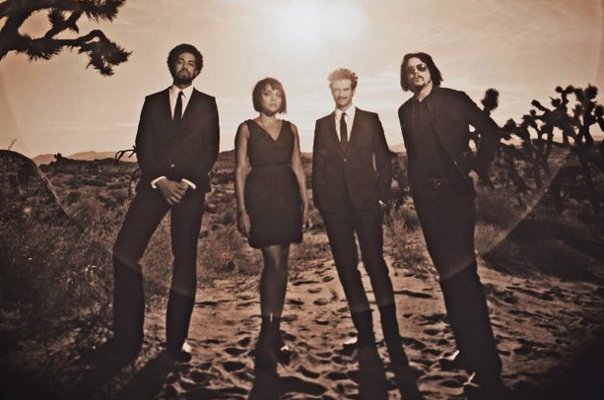
Danger Mouse and Daniele Luppi first started the Rome project five years ago with a musical dream. Let’s create an ode to the soundtrack of spaghetti westerns, a la “The Good, The Bad, and The Ugly.” It was an ambitious goal, but one that fit comfortably into the parameters of both Luppi, an Italian composer, and Danger Mouse, a modern music producer and drummer. Add in the vocals talents of Jack White and Norah Jones and you get a melodic combination that effortlessly mixes classical music with an eclectic taste of electronic/folk/rock. The resulting album will be released in a week, but it currently is streaming on Rolling Stone’s website (http://www1.rollingstone.com/hearitnow/player/dangermouse-rome.html) and I definitely suggest taking a peak at this sneak preview.
Each track on the album deserves special attention because of the compelling intricacies and complexities they provide, so my track-by-track review follows all 15 songs, as the clear concept album creates a tale of intriguing sound. Yes, spaghetti western is considered to be a derogatory term, but this album destroys the hackneyed movie connection, and instead explores the creative music that lined its sun-splattered back drops. Rome crushes pop constructions and demonstrates modern respect for classical music. It is a work of sheer creativity, a western waltz, and certainly the best album of the year thus far.
“Theme of Rome”
The first track is an instrumental with ties to Pink Floyd’s work on “Welcome to the Machine,” with the single-struck chords and “The Great Gig in the Sky,” with the vocal chant. It sounds like a combination of these two mixed with the subtle element of a western. This introduction presents the album’s artsy and ambitious attempt well, almost creating a sun rise image, darkness slowly giving way to light.
“The Rose with a Broken Neck”
The beginning screams Danger Mouse, electronic, studio sounds that embrace listeners. Jack White stars as the male vocal part. The music is a little overpowering, somewhat incongruous with the vocals. It almost sounds like a unorganized bad dream, premised by a frightening lullaby provided by the backing keys. It works, though. There is beauty to its organization. The melody is infectious. As Okocim describes it, “it sounds like a video game, or rather a waltz.” And this is so true. It is a waltz in time signature and feel
And oh the classic western connection of the motif of “lonely” and repeating verse:
Lonely I see
Lonely I need
Lonely I feel
And lonely I bleed
Lonely I trust
And lonely I must
Be the rose with the broken neck
“Morning Fog”
The keys dominate the early album. This interlude is dreamy, because of the keys, and its 40 seconds drift the listener into the following song.
“Season’s Trees”
Here comes more of a traditional folk song with strings and Norah Jones’ sultry voice, sensual, inviting and candid. It moves well. I do love her voice. It is folk/pop and pretty conventional. The strings layer nicely, but are almost unnecessary. The song does not fit into the album’s key-heavy western pattern well. It is a blip of blasé and despite the ending doesn’t do it for me.
“Her Hollow Ways (Interlude)”
And then we are back to the beautiful combination of Luppi and Danger Mouse. This is a perfect example of their flawless combination, an example of how classical can mix seamlessly with modern musical conventions (electronic). The composer meets the independent production that is Danger Mouse. A welcomed interlude. And the choir just moves the album, like a movie.
“Roman Blue”
Basic chords. The song is in three, moving away from the normal pop convention of the 4/4 beat. It then immediately takes on this lull. This is my favorite instrumental. It is an instrumental masterpiece. The strings work is beautiful. It is powerful. But, one can still hear the Danger Mouse influence with the bass and small, lightly stroked keys. The wailing voice is such a Floyd thing, but its painful connotation ends the song on this awe-striking somber note. It sings western.
“Two Against One”
This song was released a while ago and is one of Jack White’s tracks. The acoustic guitar is rapid paced. White’s voice is smooth and is placed over a plucking guitar in a minor key. Then, a bridge collapses into this surf-like electric guitar solo that smells like burning sand. The end features a harpsichord that rings twice, just enough to end the song a freaky note.
“The Gambling Priest”
Surf guitar mixed with moaning voices and unconventional percussion. What the heck? This is like surf-psychedelia. The drum beat is exceptional. This is like Brian Wilson meets gothic folk meets Danger Mouse in a comfortable studio. The movie continues. This would be the part prefacing a big fight. Something evil is happening underneath the song and I want to know what it is.
“The World (Interlude)”
A grand piece. The vocals are heavenly, placed skillfully over a tiny keyboard riff.
“Black”
Track 10 came quickly. We begin with Danger Mouse’s most amazing riff since “The High Road” with Broken Bells. The keys are perfect. It sets this magical scene placed beautifully over an acoustic rhythm. This one fits much better into the movie that is Rome. The song works exceptionally well. Norah Jones’ voice is anagogical and smoky. It is more theatrical than “Two Against One,” but the lyric smothers the quick acoustic rhythm in a similar manner. I also am such a sucker for the classical portion with silhouette strings. The song moves like a post-death scene and it takes the title of best song on the album.
“The Matador Has Fallen”
A slight change of pace. This is more uplifting. It is a worthy follow us to “Black,” a similar song.
“Morning Fog”
The drumming on this album should be recognized. The album moves at an unpredictable pace, but the drums never falter. They are always crisp and acute to sound. Morning fog, suitably with its name, is dreary. The electronic keys are somewhat plangent, but their strength is welcome. The instrumental is carried by the chorus, that sings with strength, and the last reverberating chord is a melodic vibration.
“Problem Queen”
Welcome back Norah Jones. The keys lift and drop like a roller coaster. They are the backing for the song that cooks with Jones’ voice.
“Her Hollow Ways”
The Her Hollow Ways interlude was the wondrous combination of both Danger Mouse and Luppi. The actual song takes on a lot of its partners qualities. The classical portion is my favorite part of the song, obviously taking most of the interludes melodic structure. The actual song is an expansion of the interlude, a triumphant, but sobering song where the hero reflects. Imagine yourself staring out at a desert expanse, blustery orange sand and a fading amber setting sun.
“The World”
The World follows up from its own interlude. This sounds more western, and the combination of voices are powerful, sounding off this credits rolling finale of a perfect spaghetti western film. The end of the song presents the perfect climax and the album ends with keys fading out in the abyss.
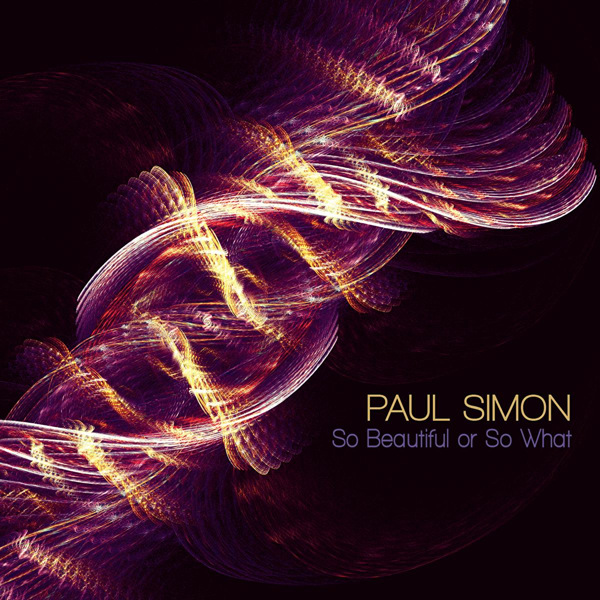
Elvis Costello wrote a laudatory review of Paul Simon’s new release So Beautiful or So What for The Huffington Post. In the review he commented that, “Throughout the record, I kept coming up against what I can only call, rock and roll surprises; not some orthodox formula but indelible, hypnotic guitar motifs and swinging, off-center rhythms tipping your expectations into a new kind of thrill.” Costello concluded that So Beautiful or So What, “rejects the allure of fashionable darkness and the hypnosis of ignorance – better to contemplate and celebrate the endurance of the spirit and the persistence of love.”
I find Costello’s review to be apt. He, a fantastic musician himself, targets two constant musical traits that Paul Simon explores. One, a propensity for zany guitar swings and lyrical fearlessness, and two, an immutable driving “spirit.” Both of these attributes find their way into the tracks of So Beautiful or So What, and Simon’s 12th studio album and first release since 2006 enters listeners and serenades them with creative music. Paul Simon is a consummate musician who has been honing his skill for over 40 years, only now to have reached the zenith of his talent.
“The Afterlife,” track two on the album, is a great example of Costello’s praise. The guitar riff is “hypnotic” and “swinging.” Let me add a few adjectives. The riff is also effervescent, sweet and toe-tapping. It’s strong rhythm sticks to listeners like a lollipop, fruity and inviting. The beat persists through the 3:39 piece and compliments Simon’s folk croon well.
In the song, Simon sing:
“Buddah and Moses and all the noses from narrow to flat, had to stand in the line, just to glimpse the divine, what you think about that?
Well it seems like our fate to suffer and wait for the knowledge we seek. It’s all his design, no one cuts in the line, no one here likes a sneak”
This, the third verse, is followed by the chorus, “You got to fill out a form first, and then you wait in the line,” which is repeated throughout the song.
The verse/chorus is my favorite lyric in Simon’s “Afterlife” lyric. It is candid religious commentary from Simon, and it is not polemic or argumentative, like some religious thought is. Simon sings that everyone must wait, no matter who you are. It is our “fate” to wait in line for the “knowledge we seek.” In the next verse, when Simon’s narrator finally meets god, he is so awe-struck that all that comes out is, “Lord is it, Be Bop A Lu La or Ooh Poppa Do.” And, if I had to guess, Simon would probably pose this question to god if he meant the omniscient being.
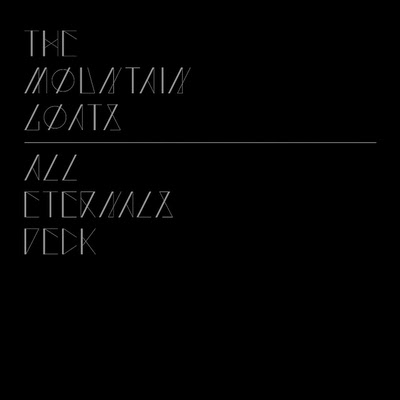
An album featuring multi-faceted music that explores the elaborate construction of lyric and sound and makes the complex sound simple, melancholic, and eerily sweet. That is my one sentence review of the new Mountain Goats‘ release All Eternals Deck, which dropped two days ago. When I went to pick up the album at Barnes and Nobles, the salesman asked me how are the Mountain Goats. I have wrote so many gushing reviews of the band on this blog, that I attempted to prevent myself from overwhelming him. I told him, if you like great lyric, passion and folk, then you will enjoy John Darnielle and the Mountain Goats. All Eternals Deck is a classic recent Mountain Goats album mixed with some more complex instrumentation, vocalization and skill. Darnielle’s studio work has morphed to match his elaborate lexicon and syntax. I cannot keep my review to one sentence. So, instead, I am going to profile the music and lyric of some of my favorite songs on the album. Enjoy and go listen to the new album, NOW!
Music: The album opens with “Damn These Vampires,” a track that moves like a typical Mountain Goats release. The song is led by Darnielle’s voice. It features short chords from both the keyboard and acoustic, as well as a defined bass guitar that adds a deep element to the song. The best display of musicality in this song comes during the chorus, where the guitar and keyboard follow Darnielle’s progression with supporting notes. You can feel the band’s presence in this moment.
Lyrics: Darnielle often has small gems in his songs, lines that blend in and taste good. In “Damn These Vampires,” Darnielle sings, “Saphire trans-am, highbeams in vain. Drive wild broncos, down the plain.” His lyric paints pictures, and this advanced imagery proves his literary prowess.
Music: “High Hawk Season” is unconventional for the Mountain Goats. Darnielle adds this gloomy barbershop quartet sound that carries the song beautifully. The call-back with the line “rise if your sleeping stay awake” is spine-tingling. The song is carried by Darnielle’s acoustic and the backing vocals
Lyric: “Spray our dreams on any surface where the paint will stick, Try to time the rhythm, listen for the click.” The lyric is as saturnine as the dark backing vocals. This is where Darnielle seems most comfortable.
Music: “For Charles Bronson” is being quickly touted as the song’s best album. I can understand the praise. While it may not be my favorite – which is reserved for the two above – this song has the classic Mountain Goats charm. It is led by Darnielle’s great voice, a solid chord progression and a solid drum beat. The haunting keyboard is a great addition.
Lyric: I just want to leave you with the last verse/chorus of the song profiling Charles Bronson.
“Let the frame find you when the cameraman’s ready
Work until I drop drift from place to place
Ehrenfeld, Pennsylvania, scratched into my face
Set your sights on good fortune, concentrate
Pull back the hammer, try to hold the gun straight
Try to hold the gun straight”


 The Music Court