Archive | May, 2012

A Prodigious Talent – The Blues of Gary Clark Jr.

7 May

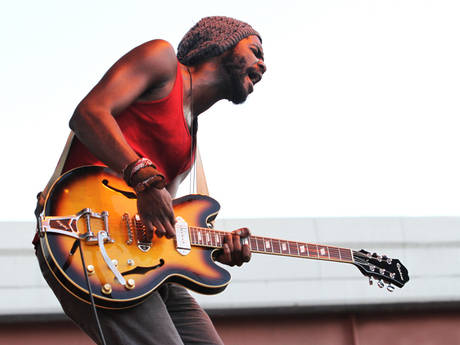
I first heard of Gary Clark Jr. when he released his second EP Bright Lights back in the summer of 2011. It caught my ears and I immediately picked it up and shoved it onto my iPod as quickly as possible. He was a musical force to be reckoned with and it wasn’t difficult to recognize that. Since then, Gary Clark Jr. has done exactly what you would expect a blues wunderkind to do – tour festivals extensively and play with some of the greatest blues performers ever. Not a bad idea at all.

Gary Clark Jr. fits into a small grouping of modern-day blues guitar prodigies. Let’s add Derek Trucks, Doyle Bramhall II, Joe Bonamassa to this list as well. If we wanted to forget about age barriers let’s add Warren Haynes to that, for, while he is not young (well, I mean, neither is Bramhall), he still tirelessly performs today (and he is incredible and he was a prodigy). Interestingly, Gary Clark Jr. reminds me a little of Warren Haynes. Why? Well, the man is a triple threat. He can play rhythm and lead, sing wonderfully, and knows how to take a backseat to other performers on stage (an important trait to possess).

But do you know who Gary Clark Jr. reminds me of the most? His guitar tone is saturated with rich distortion and hooky riffs and rhythms much in the manner of Jimi Hendrix, another guitar prodigy, who just understood how to make the guitar sing. Now, please, in no way am I saying that he is equitable to one of the greatest guitar players to ever pick up the instrument. I am just saying that his style reminds me of Hendrix. And, actually, if Hendrix stayed alive, I think he would have moved into a realm that Gary Clark Jr. is beginning to explore – sticky, humid blues with creative distortion and grunty vocals.

“Bright Lights,” the song that represents this exploration, was featured by the NFL for the 2012 draft. It was a good choice because the song does talk of “Bright Lights” and since the draft was at Radio City Music Hall in NYC the selection was intelligent. It also reminded me of Gary Clark Jr. and I went on a bit of a listening binge – mostly live performances though because he just doesn’t have enough songs yet.

The next few years are going to be crucial. “Bright Lights” seems to suggest that Gary Clark Jr. may be able to do something that not many have been able to accomplish in the last 40 years, bring blues music into the tempting arms of popular pop music while maintaining the gritty roots of the song. “Bright Lights” does this perfectly. Check out this performance of the song from the Crossroads Festival in 2010. By the way, that is Bramhall II in the yellow shirt providing some extra lead depth.

The song is, as Steven Tyler would say, “crazy good.” The hard-hitting rhythm, heavy on the downbeat, mixes with Gary Clark Jr.’s soulful vocal that, if it wasn’t for his guitar skill, would be his strongest attribute. The song levels out for a while with this pounding riff and the bluesy vocals, but, it doesn’t last that way for long. The guitar of Gary Clark Jr. cannot be contained for long. His lead work is insane! The skill he expresses in his ability to command the guitar like it his voice and not his instrument is extraordinary. It is extraordinary in every sense of that word. Not many guitarists can even smell that talent. The tone is scary. When I first heard this song I dropped everything I was doing and stared, just stared. Check out the echo of his guitar around 3:30 – 4:00 into the song. Like, seriously! You actually feel the guitar may explode, he is so proficient.

Can he do traditional electric blues?

Check. Did you think he would have any problems with this? The wa-wa solo around 1:45 is a thing of beauty. It is eccentric, even alien, but that is what he can do. He takes what you expect from blues and manipulates it with his quick playing and distortion effects.

He is super talented and well-known right now. Wait a year or two and a widely-released LP and he will be known across America like Derek Trucks.
Closing the Distance – Neal Casal

3 May

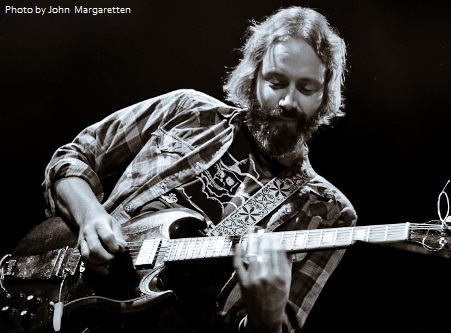
Neal Casal

While most of these new artist posts profile, well, new artists, I am going to change it up a bit and recognize a solo artist whom you may not know from his extensive solo material, but you very well could have heard of from his band-work.

Neal Casal is best known for his lead guitar with Ryan Adams and the Cardinals where he recorded four successful albums with the band. When the group went on hiatus in 2009, Casal continued with several projects, and, in 2011 joined forces with Black Crowes’ frontman Chris Robinson as lead guitarist for his project called the Chris Robinson Brotherhood. They are going to jump in the studio and cut an album, by the way.

As well as being a talented guitarist, Casal has an excellent voice, and band-work aside, he is an accomplished solo artist who just recently released his 10th studio album entitled Sweeten the Distance, a splendorous collection of engaging alt/country tracks. Let’s be honest. Many lead guitarists cannot sing. Casal can. He can sing well, really well, and such a voice can often fall to the background of a band with a leadman at center stage. His solo work allows him to shine and today I want to profile a couple of songs off of his new album.

Sweeten the Distance was recorded with producer Thom Monahan (Devendra Banhart, Vetiver, Pernice Brothers, Lavender Diamond, the Fruit Bats), and the indie effect is noticeable. Songs feature creative layering with just the right amount of country twang. My favorite track off of the 10-track album is “Need Shelter.”

My initial thought after delving into the picked acoustic guitar and feasting on the whiny electric and laid back percussion was comfort. The music invokes images of a sun-doused grass and air that smells like sweet corn bread. It is melancholic but just so easy to sink your teeth into. Casal’s voice fits the melody well and sparked an immediate comparison to a countrier version of Josh Ritter. The song itself actually reminded me a bit of Ritter. The chorus features easy harmonies. Like I said, it is an exceptionally easy listen and it is engaging, and like any summer afternoon it fades away and ends too quickly.

“Time and Trouble” is the other track I have for you. This one is immediately different (the feedback comes as a bit of shock – but multifarious sounds are good especially when they are unexpected). Two guitars play over each other before Casal’s voice comes in to complete a Beatles/Stones-like rhythm that bops quickly and leads into a rich chorus jam-packed with harmonies, twang, and the easy-to-drum-along-with percussion. This song is more upbeat and gets you moving a bit. Great sound to this one as well.

The entire album can be streamed on Soundcloud and for more information check out Casal’s website

Decoding for a Good Cause

2 May

Alright! We finally begin the devoted new band profile binge that I have been discussing for the past two weeks. And what a great way to kick it off with an alt/rock band that is using its late 90s throwback style to promote a good cause throughout May. Let’s talk about the band first and then we will go into what they are doing.

Decoded was born from a chance encounter between singer/guitarist Derek Jordan and producer Davey Julson-Rieley. Rieley has done mixes for a whole slew of bands including Dropkick Murphy’s, Skillet, Rise Against, and LCD Soundsystem. They put together a project of players, called themselved Decoded and are set to release their debut EP The Split this Spring.

Some of Decoded’s other material is a little rawer and grungier, but this is an excellent example of what solid vocals laid over a poppy alt/rock track can do. The reason I label “Open Season” and Decoded as a late 90s throwback is because this type of compact and precise alternative music latched on and engaged a whole scene for a few years. The song begins with a light riff over a heavy guitar, accentuating the riff which ensnares the listener. Jordan’s voice effortlessly sounds over the verse leading into a chorus rich with vocal swings and harmonies which fall almost immediately back into the verse. The fills during the verse – collapsing drums and firm electric – are excellent and the competent bass carries the verses with ease. After the third chorus, Decoded plays with the listener and toggles the audio in dueling guitars manner – which I like – and I love the end because it teases the verse. Great piece.

So what is Decoded doing that I find honorable? They are taking their residency at AMPLYFi in Los Angeles and sponsoring a campaign called Rock For A Difference Los Angeles! Every Thursday in May the band will share the stage with other acts in order to sponsor a different non-profit organization a night. It is charitable and a great use of a residency! Do you live in Los Angeles? Get out to one of these shows!

Here’s a list of the Los Angeles organizations that will be featured and on what dates:
May 3rd – Ace of Hearts – http://acesangels.org/
May 10th – Create Now! – http://www.createnow.org/
May 17th – Coalition for Clean Air – http://www.ccair.org
May 24th – HeARTS Giving Hope – http://www.heartsgivinghope.org/
May 31st – Rent.Food.Broke. – http://rentfoodbroke.com/

For more information on the band and Rock For a Difference check out the band’s:

Twitter

Website

Facebook

The Left Banke Brings Baroque Back to B.B. King’s Bar and Grill

1 May

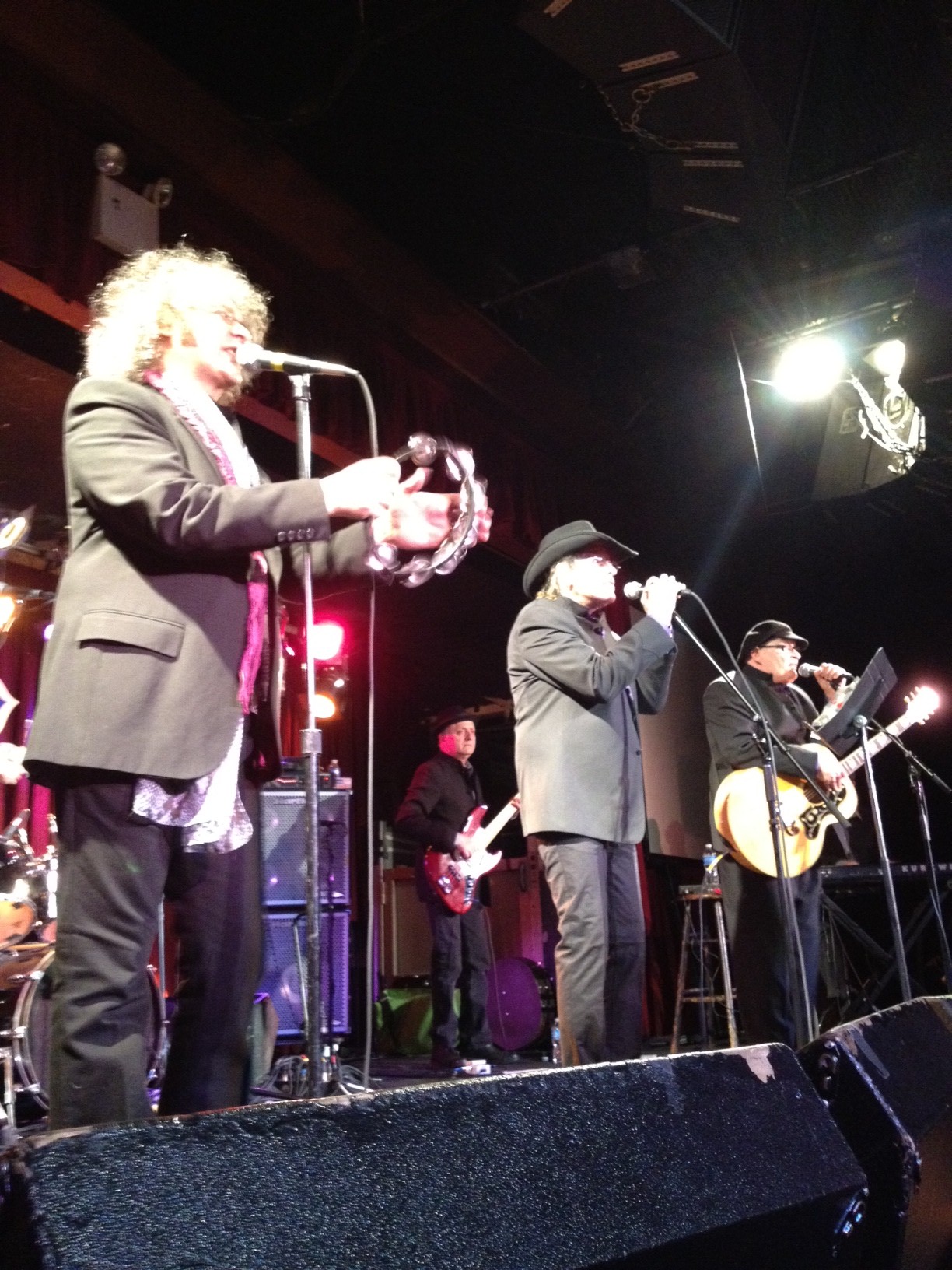
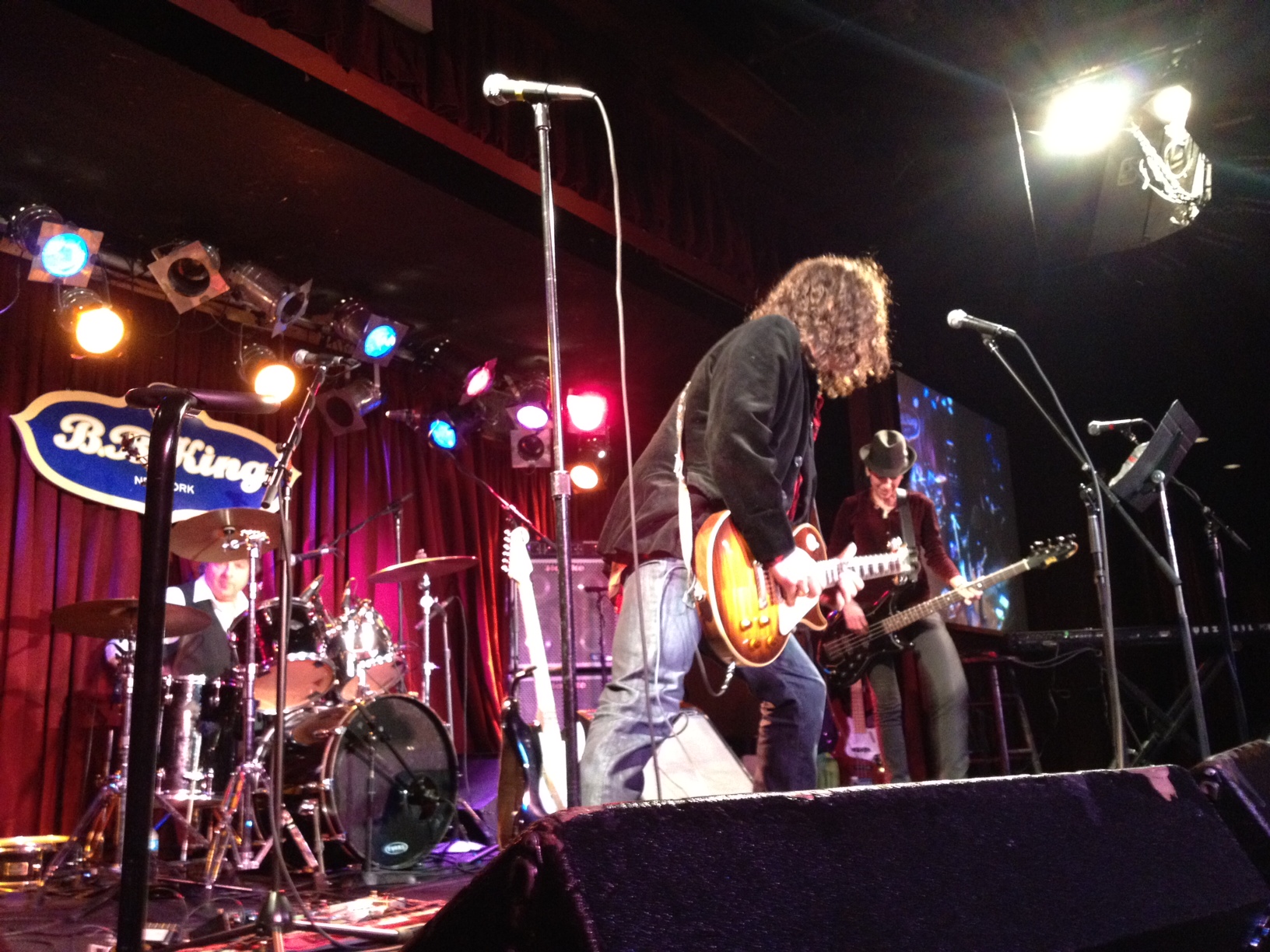
Front row seats and an iPhone = Pics o’ Plenty

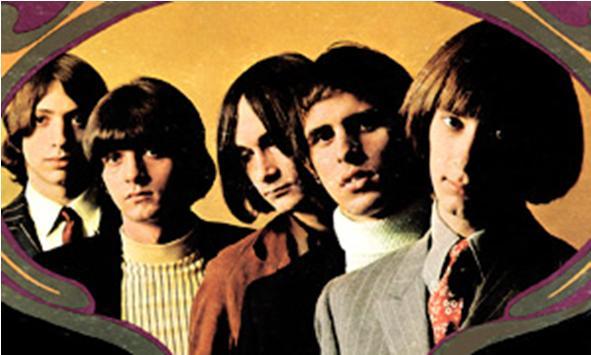
In 1966, a group of musicians tried something a little different. Inspired by the British Invasion and the incipient inclusion of string instruments in rock n’ roll songs, The Left Banke, under the auspices of writer/keyboardist Michael Brown’s father Harry Lookofsky (a session violinist who ran a studio and became interested in the band’s sound) sold a piece composed by Brown called “Walk Away Renee” to Smash Records. It didn’t take long before the song became a hit, disseminating this creative new style to several of their contemporaries who observed this string-laden rock and tried it out for themselves. The song features a noticeable string section, harpsichord, and a flute solo (inspired by the Mamas and Papas “California Dreamin”). The music was inspirational, ethereal, melodic, but most importantly different and refreshing. It is pre-progressive rock and pre-psychedelic. And what’s so freaky is that the band members were teens. Now, 46 years after the song’s release, the Left Banke are back, and last weekend I was fortunate enough to see them reunite and play B.B. King’s Bar and Grill in New York City.

I want to focus this post not on the history of this underappreciated band, but on the concert which featured a revitalized and excited Tom Finn, George Cameron, and, in place of Steve Caro, killer vocalist and guitar Mike Fornatale. Current members also include Paul Alves – Guitar, Charly Cazalet – Bass, Mickey Finn – Keyboards,  Rick Reil – Drums / Vocals.

The Left Banke was joined by opening act Alan Merrill who too was a trend-setter. The Bronx-born son of jazz musicians became the first westerner to achieve pop star status in Japan. He actually tried out for the Left Banke in 1968 and while the audition was successful the band dissolved. He moved to Japan and tried to start a career there which faced some initial stumbling blocks but eventually became extremely successful and he was boosted into teen idol status. This was all before he co-wrote and released the first version of internationally recognized mega-hit “I Love Rock n’ Roll” which you all know to be by Joan Jett. His set was short but his three-person band (including himself) performed up-beat rock beats with Merrill soloing on his electric. And, as expected, at the sound of “I Love Rock n’ Roll” everyone perked up and started singing along because it is actually impossible not to sing that chorus.

Alan Merrill

The Left Banke walked onto stage soon after. Well, actually all of them but one; Tom Finn was somewhere on the main floor. The band shared a great laugh with the crowd before Finn climbed on stage, plugged in, and assured the crowd that it got better. Finn looked at Cameron and the band, counted down, and they were off, performing track two on side one of their seminal album Walk Away Renee/Pretty Ballerina. “She May Call You Up Tonight,” a Brown and Caro composition, sparked immediate harmonies that showed no rust.

The Left Banke concentrated on meticulously perfected harmonies and I’m sure they would have been disappointed if the melody was off, but, they were even more on than I thought they would have been. Fornatale’s excellent voice certainly helped, but I give Finn and Cameron credit for successfully jumping right into mid-60s form. If you closed your eyes (and ignored the difference in lead vocalist) you were transported back to youthful smiles and moptops.

I’ve discussed “Pretty Ballerina” before on this blog. This has been a song that my father (who also attended the concert with my girlfriend and me) and I have talked about at length. There is something so eerie and depressing, but surreptitiously beautiful about this Brown composition. It is dream-like (understandably when you look at the lyric) and repetitive. It is that piano repetition that gets you.

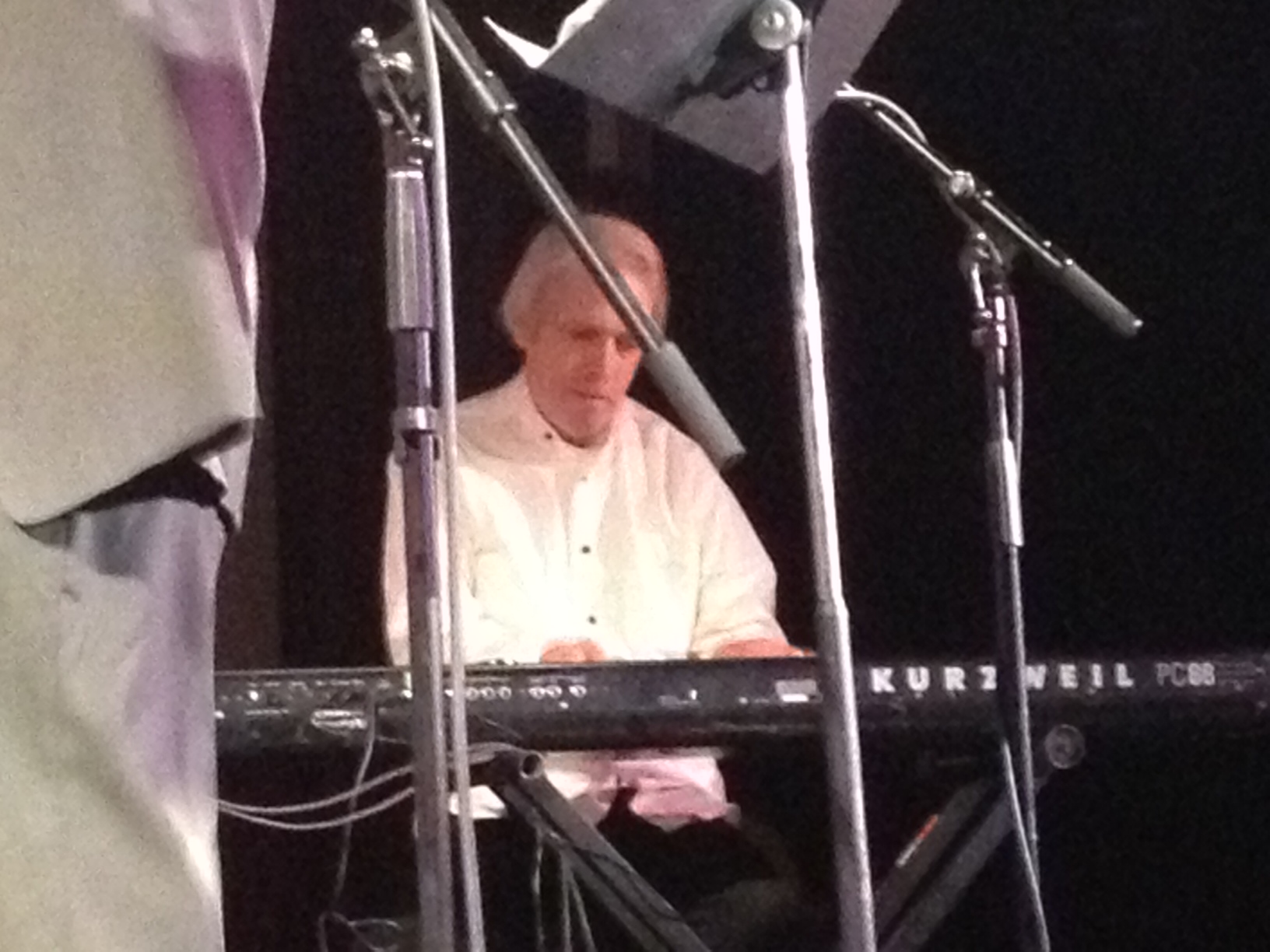
And wouldn’t you know it, the man himself, Michael Brown, joined The Left Banke to play his trademark keyboard riff. When he walked on stage he received a warm standing ovation from the crowd who more than appreciated his appearance and, he jumped right into the riff like never missed a beat. He never did miss a beat. I will say it now. I have said it many times. “Pretty Ballerina” was one of the most creative and influential songs written in the 1960s and it is a shame more do not know of it.

Michael Brown doing what he does best.

The Left Banke played 23 songs during the show and sampled from their first two albums and other catalog material. Songs like “Barterers and their Wives,” “Shadows Breaking Over My Head,” and the Finn-creation “Nice To See You” received some of the most applause. For one man sitting a few tables down for me, “Bryant Hotel,” sung by George Cameron, was the absolute highlight of his night. It’s a great song, but he was practically begging for it.

The show also featured a talented two-person string section of violinist Lynn Bechtold and cellist Ben Larsen who provided the refreshing strings to most of the pieces.

Like all good things, the concert did come to a close, but I learned a few things. First off, The Left Banke is creating new material and make sure to keep in tune with their Facebook for more information.  You can also check out their website and a great fan page.

Mainly, though, I learned that the Left Banke should be higher regarded in 60’s music history books. Despite the band’s limited releases, their influence on several baroque pop bands that came into popularity in the early 70s cannot be overstated. They grandfathered that movement and were a gigantic influence on progressive rock.