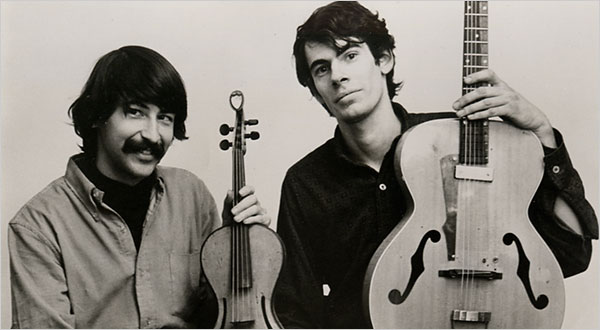
We move now to the psychedelic folk portion of our 60’s Psychedelic Experiment. Psychedelic folk is not as specified as last week’s garage rock psychedelic genre. Psych Folk (for short) exploded in the mid 1960’s as one of the most malleable forms of psychedelic music. One of the reasons why Psych Folk became the most common form of psychedelic music (at first) was because it was not a huge jump from current music. Psych Folk simply adjusts acoustic instruments and adds obscure sounds common with psychedelic music. As it became more refined and widespread, musicians added creative vocalization (like chanting).
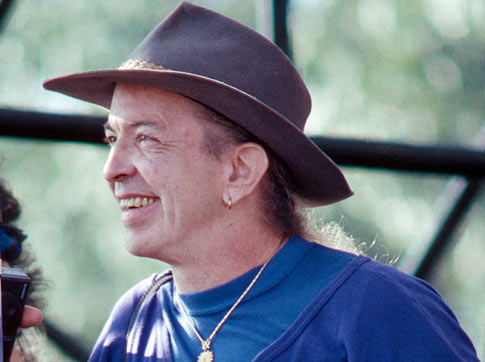
When people explore the foundations of this broad sub-genre, most point to the band above, The Holy Modal Rounders, as one of the main Psych Folk originators. The Holy Modal Rounders came from the burgeoning music scene in Greenwich Village. They released their eponymous first album in 1964. The album is folk, but underneath the obvious exterior is some elements of latent psychedelia. (By the way, Sam Shepard played drums for them for a time – yes, the playwright).
Many people point to the Holy Modal Rounder’s version of “Hesitation Blues” because they actually mention the term “psychedelic” in this song. They pronounce it “psycho-delic,” but it was the first mention of the term in a song, ever. That stands for something. But, do listen.
This is simply a sped-up folk version of the blues classic. Yes, Peter Stampfel and Steve Weber have cool voices, but their Psych Folk mastery did not come until later. Listen to this.
“The Bird Song” released on the 1969 album The Moray Eels Eat the Holy Modal Rounders was featured in the movie “Easy Rider” which profiles the counterculture (and AWESOME music). This is a classic example of Psych Folk. We have a old-timey piano riff that you could hear at a saloon playing over a reverbed nasaly voice. In the background you can hear the airy backdrop of the song. This is clearly upbeat psychedelic music that has folk elements (especially with the addition of the acoustic guitar.)
Owsley Stanley took his last trip Saturday, dying of injuries sustained during a car accident. He was 76. Stanley’s influence on the LSD culture in California during the mid-late 1960’s is often understated. He produced a lot of the drug, yes, but he also inspired musicians and was a successful sound engineer for The Grateful Dead. Stanley, whose nickname was “bear” inspired the band’s dancing bear logo. Lyrics written by The Grateful Dead, Jimi Hendrix and Frank Zappa reference Stanley and his conflicts with authorities. The Dead’s song “Alice D. Millionaire” is based on an LA Times newspaper headline about Owsley entitled “LSD Millionaire.”
Well, it seems the news segment of the Music Court is quite depressing today. Hugh Martin wrote “The Trolley Song” for Judy Garland in the 1944 musical “Meet Me in St. Louis,” but he is most famous for his beautiful creation “Have Yourself A Merry Little Christmas,” which, even though it was also written and sung by Garland in the same play, became a staple of Christmas music that still is equally as popular today. Yes, Martin’s composition is still getting air time around 70 years later. The wonder of Christmas nostalgia.
The creation of the song is actually quite interesting and particularly poignant. Originally Martin wrote the lyrics as:
“Have yourself a merry little Christmas, it may be your last. Next year we may all be living in the past.Faithful friends who were dear to us, will be near to us no more.”
But, while the song does has melancholic implications, a wise studio executive told Martin that the lyrics did have to be somewhat more uplifting. So, Martin went back and drew up what we now listen to today (starting in October – it seems) incessantly.
Here is a great version of the classic from Katie Melua:
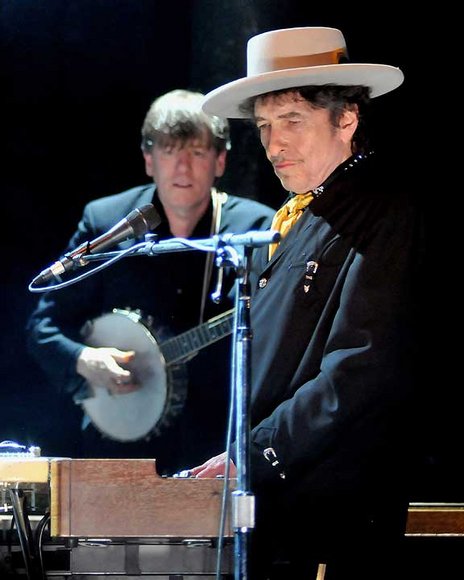
Bob Dylan will be doing (above picture) in China. Yes, after scheduling dates in China last year only to be turned down, Dylan finally gained permission from China’s Ministry of Culture to perform in Beijing between March 30th and April 12th.
Dylan, who seemingly has played in every country, will be playing in China for the first time.
This, from the Rolling Stone article about the subject:
“The approval notice for Dylan’s appearance in Beijing will require him to stick with a setlist that has been vetted by Chinese officials. No details have been released regarding what Dylan material was deemed appropriate for Chinese audiences, but it is likely that his more politically oriented songs did not make the cut.”
LOL! Yeah, I don’t think “Blowin’ in The Wind” or “The Times They Are A’ Changin” will be played for the Chinese audience, especially now at the outset of recent protests quashed in China. I envision the setlist being quite conservative, focused mainly on blues. But, let’s be real China Ministry of Culture, Americans, who speak Dylan’s native language, cannot even understand what he is saying anymore. Do you really think a Chinese audience will understand?
After a couple of days of voting I have a quick update of the March Madness 1967 album Bracket Competition, where we are pinning the best albums of that year up against eachother.
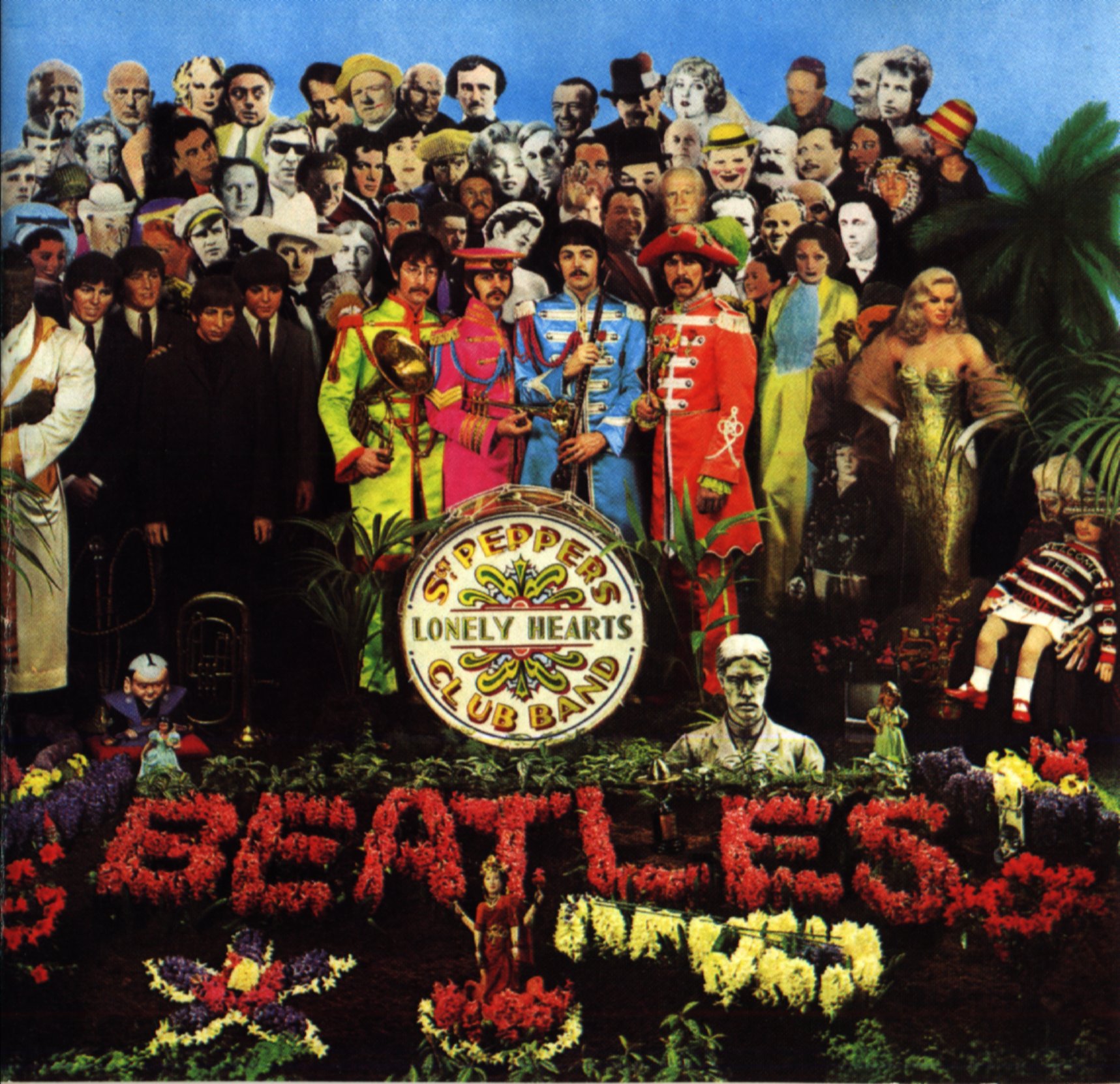
Currently, the 1 vs. 16 battle is being led by heavily favored Sgt. Peppers Lonely Hearts Club Band7-0. This can be voted on by following this link:
Did you know that UCLA won the 1967 NCAA Men’s Basketball Tournament? The 3-seeded album of our tournament was created by a man that would have one of the most amazing live performances in California come June of that year. Let’s continue with our tournament. Will we see an upset in the first round. Can our 13 seed take down the heavily favored four.
REMEMBER: In order for this to work, vote, vote, vote for your favorite!
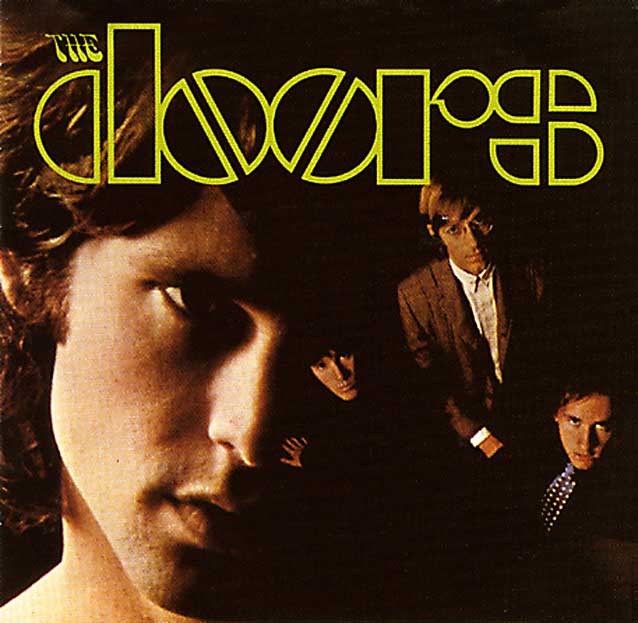
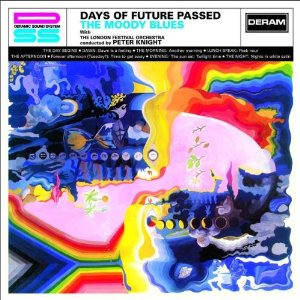
A solid first round match-up. The albums are both exceptional in their own right. Days of Future Passed is an early example of progressive rock. It has their most famous song “Nights in White Satin.” But, the Doors’ debut album will be tough to beat. The album is stacked with big-time songs like “Light my Fire” and “Break on Through.”
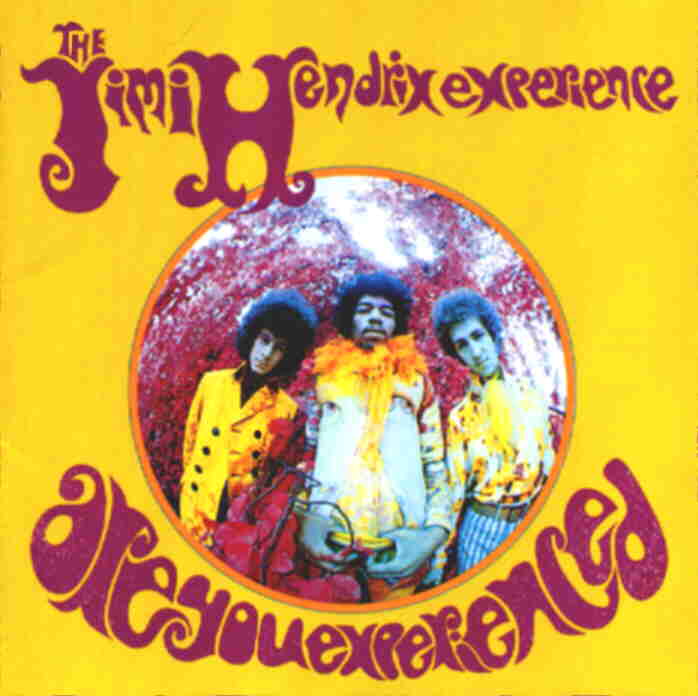
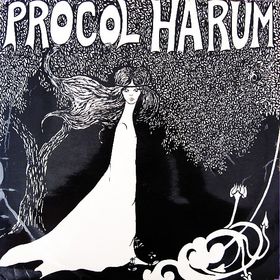
Are You Experienced features some of the best work by Hendrix and his band. The jam-packed album is rock n’ roll history. It is one of the greatest albums of all time (and it is a third seed – shows you how good 1967 was). In the North American release, songs like “Purple Haze,” “Hey Joe,” and “Fire,” spin off the record in mind-blowing fashion. But, do not underestimate Procol Harum. Procol Harum, the band’s first release, features an interesting mix between psychedelic rock and classic elements. “A White Shade of Pale” is one of the more beautiful, haunting songs ever released. And, Robin Trower‘s guitar work is great. Obviously not what Jimi Hendrix was doing, but still excellent.
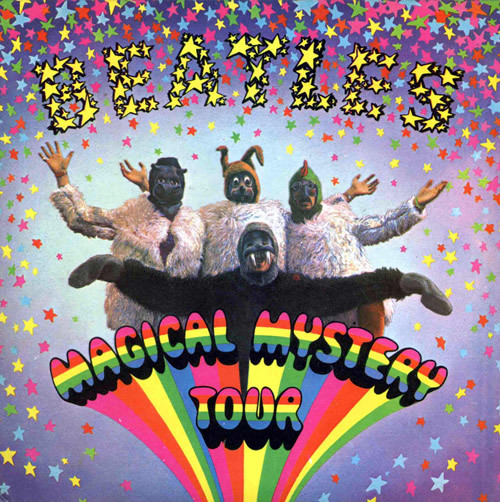
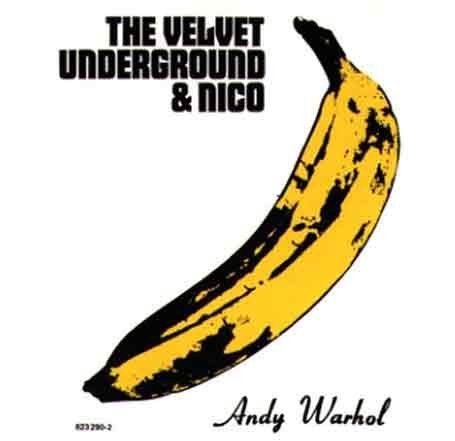
#4 seed:Magical Mystery Tourby The Beatles vs. #13 seed: The Velvet Underground With Nico by The Velvet Underground
Do I smell an Andy Warhol banana upset. The Velvet Underground and Nico (also a debut album) features the work for pioneers Lou Reed and John Cale who, with this album, pretty much created the genre of protopunk and set the foundation for the late 70’s. “Heroin” and “I’m Waiting for My Man” are two pieces of lyrical candor and genius by Reed. Magical Mystery Tour, the Beatles’ second appearance on our list (released in December of 1967) does have “I Am The Walrus” and “Strawberry Fields Forever,” two psychedelic masterpieces. This is going to be a tough battle.
Selection Sunday is this Sunday and the college basketball March Madness tournament begins next week. The month of bracket crunching is upon us. I enjoy filling out brackets so much that I decided the Music Court was going to embark on a similar competition. 1967 was arguably the greatest year for album releases ever. It was the Summer of Love and bands like the Beatles and the Doors were releasing exciting and original material. That material flew off shelves at record stores and now finds its way onto the Music Court.
What is the best album that was released in 1967. We will pin album against album in this 16 album tournament. Yes, the best albums of 1967 will be going up against each other in this multi-week tournament. Here is how it is going to work.
I have ranked 16 albums from 1 (meaning the best) to 16 (meaning the 16th best on our list). Yes, 1-16 will have tremendous albums and your favorite may not be included. Many albums were released in 1967 and it is very hard to choose the best (1-16) but I am trying. There is no genre discrimination. If I feel that the album was the best, it will be on our list.
The tournament will see four match-ups in the form of polls two days a week. So, today, below, you see the one seed vs. the sixteen seed. It is a little taste of the tourny. Tomorrow we will will do three more match-ups. You vote for your favorite. You have until the end of the first round (March 21) to vote. After the first round I will tally the votes and we will move onto the elite eight and then the final four and then the finals. Here are the rough dates of when everything will be posted.
March 13 (Tomorrow: 2 vs. 15, 3 vs. 14, 4 vs. 13
March 16: 5 vs. 12, 6 vs. 11, 7 vs. 10, 8 vs. 9
March 21: Elite Eight (First two matches)
March 25: Elite Eight (Last two matches) Voting for Elite Eight ends April 1
April 1: Final Four – Voting for Final Four ends April 9
April 9: Finals – Voting ends April 15 and winner is crowned.
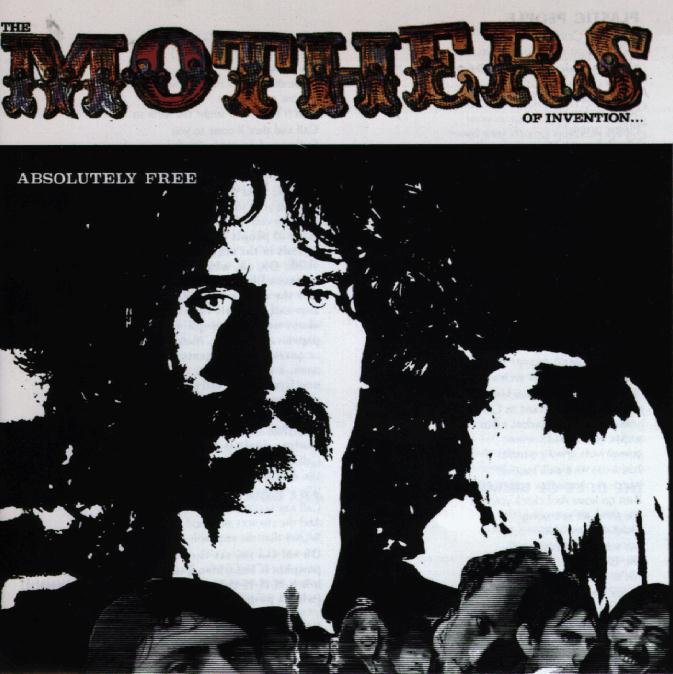
The favorite of the tournament has to be perhaps the greatest Beatles album of all time. It goes up against Frank Zappa and one of his best albums in Absolutely Free. Can Zappa pull off a huge upset, or will the Beatles fly on to the next round? We will see!
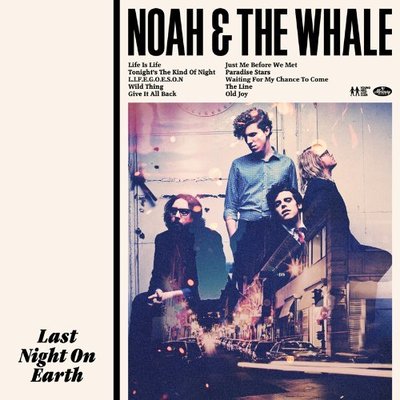
Noah and the Whale’s pervasive optimism was challenged with their last album The First Days of Spring. But, with the recently released Last Night on Earth, the band takes their album title seriously and performs an exciting ode to optimism. If it was my last night on Earth I’d party it up too. In some ways, the band fell into the trap of the sophomore album slump, but this third release reveals 11 tracks, some upbeat and catchy and some more low-key but still positive. Every release, creative in its own right.
Adrian from music-news.com calls it, “a very uplifting, competent album from an act that will ride the wave of nu-folk and potential top it.” I like that title. Nu-folk. That is what bands like Noah and the Whale and Mumford and Sons play. Modern folk tinged with old inspiration and new Indie modernity.
From nu-folk to surf pioneers. Dean, of the surf music pioneers Jan and Dean, is 71 today and we celebrate by looking back at the surf genre that they mastered. Surf music follows a similar construction. The songs have high-pitched simple chord structures and vocal harmonies. It is based off of the example that the Beach Boys set.
Jan and Dean mastered their vocal harmonies and saw success because of it. In 1964 they released “Dead Man’s Curve” which neatly fit into the surf pop teenage tragedy genre that was soaring at the time. For some reason, listeners wanted to hear about teenagers meeting an unfortunate end because of youthful stupidities, like drag racing around dead man’s curve. The Shangri-La’s had three examples of tragic songs. Perhaps the best is Wayne Cochran & the C.C. Riders’ “Last Kiss” from 1962, but Jan and Dean’s drag race is up there. Here it is:

 We move now to the psychedelic folk portion of our 60’s Psychedelic Experiment. Psychedelic folk is not as specified as last week’s garage rock psychedelic genre. Psych Folk (for short) exploded in the mid 1960’s as one of the most malleable forms of psychedelic music. One of the reasons why Psych Folk became the most common form of psychedelic music (at first) was because it was not a huge jump from current music. Psych Folk simply adjusts acoustic instruments and adds obscure sounds common with psychedelic music. As it became more refined and widespread, musicians added creative vocalization (like chanting).