Archive by Author

Phillip Phillips Found a Very Mumford Home

24 May

Phil Phil Takes the Title

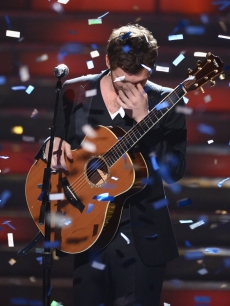
Did you really expect anything different American Idol viewers? Let me add to the stockpile of congratulations for Phillip Phillips who took home the American Idol Season 11 crown last night beating prodigious R&B 16-year-old Jessica Sanchez. I recognize the population of disappointed viewers who thought that Phillips was limited vocally and his carefree “hipster” style did not deserve victory over one of the better natural singers American Idol has ever had. I agree with that sentiment to a point. Yes, Jessica Sanchez is the better singer of the duo, but the best singer does not usually win American Idol. Phillips made up for what he lacked in vocal prowess with a keen creativity and perspicacious ear for acoustic music. As I wrote last night on Twitter, he will fit neatly into the modern folk revival – much like Mumford and Sons (whom I will mention in a bit).

Honestly, though, Idol Viewers, did you expect this to go differently? American Idol has just completed its 11th season and since zany bluesman Taylor Hicks took home the title in Season five, five men have won the competition, and they all (with the exception of David Cook, even though he too fits this somewhat), have been laid-back guitar-wielding songwriters. I am counting country crooner Scotty McCreery in this coterie. It is no secret who the main viewership is, and the typical 13-year-old girl loves cute, awkward, relatable, hipster artists. Phillips fit this all, and he won.

But with that all said, I am happy for the 21-year-old Leesburg, Georgia product, who actually paired his American Idol victory with a completed degree in Industrial Systems Technology from Albany Technical College. My guess is his career will go more towards the former accomplishment.

When you take a brief glance at this season as a whole, there were only a few individuals who actually could have made it to the finale. My original guess was that Colton Dixon would win the competition, but this turned out to be a misjudgment on my part mainly based on (and this will be the first time I have ever said this) my age. You see, as much as I like to consider myself up on music trends, Dixon fit the pop/punk genre that was popular among young people when I was like 16 years old, and I thought this was still superiorly popular. He had everything else. He was just playing the wrong music for the times. Don’t be surprised Idol viewers if someone like Phillips wins again next year. It is not gender bias, but rather a tendency to vote for what is currently in. If Florence Welch tried out for Idol, she would win.

As for Phillips’ single “Home,” it fits him like a broken-in pair of jeans. The song is a short ditty with a pre-chorus drop-down that is recognizable. The song is rich with a bluegrassy guitar beat mixed with Coldplay-esque “oohs” and airy “homes.” “Home” was written by songwriter Drew Pearson, and originally meant for British artist Greg Holden (who co-wrote the song), but was submitted to Idol as a possible finale number, and was snatched up smartly by Phillips, who will now make Pearson and Holden some nice pocket-money.

The song is pretty much a Mumford and Sons track. It’s not surprising that it was originally written for (and co-written by) a British folk artist. I think I can actually target out a specific track from Sigh No More where Mumford and Sons uses a similar technique.

Head over to 2:53 and just listen. Even the “awake my soul” repetition rhymes with “home.” 

It is a similar song, not the same song. The reason I mention it is because this is exactly where Phillips will be succesful. If he taps into this indie/folk genre and hits it head on he will not flame out and will continue to be heard of come season 12, 13, 14, and heck maybe even 15 if the show lasts that long!
Peyton Tochterman Plays it Close to Home

22 May

Peyton Tochterman

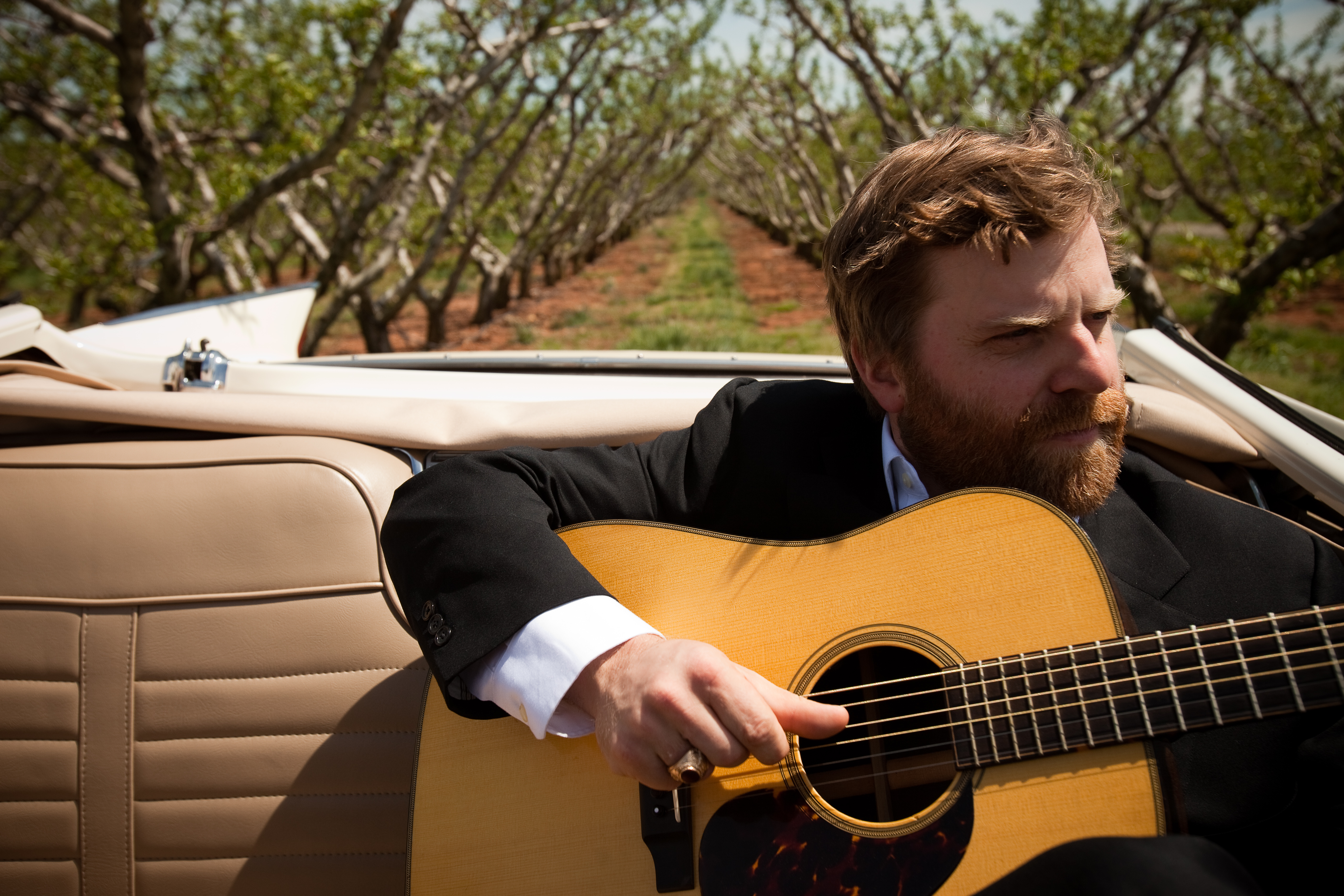
The sultry sounds of troubadour Peyton Tochterman are soulful, pastoral, but mainly refreshing. Don’t get me wrong, I am a huge fan of how folk music has progressed recently. Indie folk acts have done a tremendous job transforming a genre. Peyton, though, doesn’t mess around with hybrid stylings. No. Give him a guitar and a harmonica and let his earthy, grainy voice encapsulate you in the comfort of folk.

In his debut solo release New World, Peyton actually transports listeners back to the old world into spacious, wide-open country, with some songs tinged with a noticeable subterranean loss, much in the vein of Bruce Springsteen. Speaking of which, how about we take a listen to “Johnsburg” off of the new album.

The first thing that may pop out at you is Peyton does have an odd semi-resemblance to actor Zach Galifianakis. The second thing is, wow, is that Bruce Springsteen? The voices are more than weirdly alike, they are almost identical. Minimize the screen and just listen to the song. Are you telling me you couldn’t hear this track on The River? So what sets Peyton apart from similar deep-voiced folk artists? His rhythm moves effectively, creating a sense that more is behind him while it is really just Peyton with a guitar and harmonica. Would the E-Street band help him out? Of course! But his ability to create expansive sound from two instruments (three counting his voice) is impressive.

“A New World,” the title track of his new album, is lighter than “Johnsburg” and Peyton’s voice rises as well. “A New World” depicts his lyrical prowess, featuring lines like “life ain’t here for us, we’re here for life” and the catchy hook of “I ain’t ever been here before, hell if I know the way.”

Peyton’s acoustic folk is impressive and it is so great to hear a true singer-songwriter. I have one more little bit about Peyton before I point you in the direction of where you can track his music. I usually don’t do this, but I need to in this case because it sums it up so well. This is from Peyton’s bio.

“Tochterman is a former sports journalist, he has been hit by a train, had Kenny G.’s grand piano fall on his head, has helped cast bronze sculptures for renowned sculpture Cy Twombly, he has traveled across America on Harleys with his dad and has gone to the far reaches of China to record monks in temples blowing really, really big horns. And, he is also a cancer survivor. Through every step, at every breath, and in every barroom, Peyton has been, is, and will always be a great songwriter.”

Facebook

Twitter

Website

On the Edge of the World with Troup

21 May

Troup

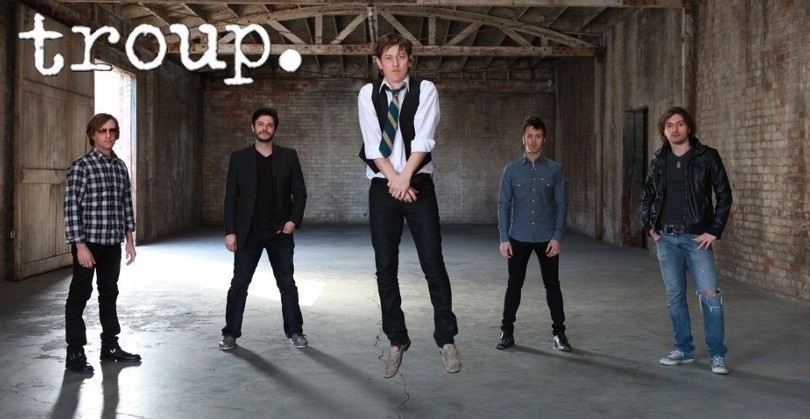
Here is a question for you all. What happens when you take a Wales-born musician fully ensconced in the Britpop scene and throw him into the emerging Indie rock scene of California? Think of a chemical solution. Sometimes you squeeze some fluid into the solution and, while you may be covering your face and bracing for impact, nothing happens. In this situation, the solution popped, and out erupted an intriguing mixture of Coldplay-esque melody and west-coast indie. The sound that splashes your ears is heavy on melody, harmony, and soul. And it ain’t acid. It’s damn refreshing. So how about we take a dip into Troup.

Troup formed after frontman Alex Troup moved to Los Angeles in 2006. In exploring the local music climate he met producer/keyboardist Evan Beigel and eventually added guitarist Claudio Tristano, bassist Darren Thomas McGuire and drummer Brandon Davis. Troup released their first album Last Chance for Romance and it has started gaining radio play everywhere from local California stations to BBC radio. And it’s totally alright to jump on board. The band demonstrates a keen ability to create radio-friendly hits that are all different. Troup does not suffer from the dreaded “it all sounds alike” syndrome.

“Edge of the World” leans on Troup’s British sensibilities, focusing on an easy-to-swallow chorus with light harmony and a crying echoed guitar slide, well done by Claudio Tristano. Troup has a wonderful pop/soul voice. If bands are carried by their lead singer’s ability, Troup (talking about the band now) will certainly be able to transcend markets. The “oh” and bridge portion around 2:30 is clear Britpop, and while I hate to beat a comparison, it does certainly sing out Coldplay or Snow Patrol. The song goes down smoothly and aside from a sound flicker throughout it fits Britpop like a warm mitten.

But hold on one second. I told you this band had diversity and “Some Lie” brings it. The song travels across the pond with Troup and demonstrates his Los Angeles experiences. It actually plays like an introduction to the city. I can imagine a chorus of California-ites doing the beginning “la, la, la” part as one hovers of the Hollywood sign. It reminded me of the las in Old Man River’s “La.” More importantly than my idiotic movie song ideas, “Some Lie” demonstrates the variety of Troup, and why I think this band can seriously go places. The chord progression is purposefully choppy in a relaxed fashion allowing the rhythm section of Darren Thomas McGuire and Brandon Davis to take over until the guitar comes in with an overlayed solo after the first verse/chorus, adding to an increasing wall of sound. I applaud Evan Beigel. It’s west coast blues, focusing on effects layered upon a blues track. And Troup uses this background to demonstrate his soul. He sings with passion and even grunts a bit. Killer song.

“Mickey Mouse Teeth” rounds out my three-song exploration of Troup, but I will provide you with where you can listen to more below. We drop down to an eccentric acoustic progression carried by Troup’s voice. It features this foot-stomping bass beat that combines with the western rhythm, heavy on singular percussion and spacey synth. It’s just another different song on a debut release full of gems.

Troup has a few places where you can visit them.

Website

Facebook

Twitter

Enjoying the Wait with Ryan Smith

17 May

Ryan Smith

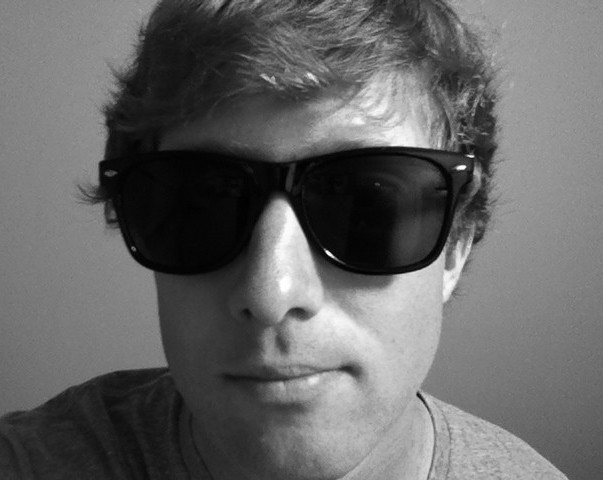
Electronic music often gets a bad rap. Often the criticism is accurate. I find that heavily dubbed electronic tracks are often so beaten down by a desultory hodgepodge of messy rhythm and intrusive sound dispersion. Some would say this is purposeful organized chaos. To me it sounds like junk. This does not mean that electronic music is all bad. Much to the contrary, electronic music can be refreshing and innovative, if it maintains the melody, of course. And I have good news. Today’s new artist certainly understands the value of keeping the melody.

Ohio-native Ryan Smith released Waiting on May 1 of this year. The album features a creative concoction of electronic beats, piano riffs, and Smith’s subtle vocal. I hear Josh Joplin in Smith’s song structure – very focused on lyric and fine melodies. Ryan participated in an Artist Interview with the Music Court to discuss his recent release and his style. Before we get to the interview let me introduce the first song of the album to you all. Here is “Waiting,” a catchy piece saturated with electronic strings and a canorous piano riff – with just the right amount of effects.

Music Court : When did you first start writing and recording tunes?

Ryan: I probably first started writing and recording songs as a teenager.  I would setup two boomboxes and “bounce” from one to another while adding a new part until I had a song.  It wasn’t until my mid-20s that I started putting out albums under my own name.
 
Music Court: When you were growing up who were some of your biggest influences and how did those musicians shape you?

Ryan: I actually listened to a lot of country music growing up, so I imagine a lot song writing ideas came from there.  Then when I found out about The Beatles, it changed everything.  I mean, they changed everything!  That’s probably where my love of the studio came from.  In college, I was introduced to bands like Radiohead and Wilco, which were profound influences on thinking outside of the box.  Now, I really try to absorb anything I can, musically, whether it be the hot new “indie” releases or pop songs from the radio.
 
Music Court: So you have a new album out now called Waiting. When was it released? How would you describe the album?

Ryan: “Waiting” came out on May 1, 2012.  It is definitely the most electronic project I’ve ever attempted.  There have always been bits of synths, noises, etc. in my records, but this time out I really tried to fully embrace them.
 
Music Court: While the music certainly features some heavy electronic influences, I was blown back by your melodies. I feel that sometimes the “song” can be lost in electronic music. What do you think? Talk about your melodies and what you feel is most important in music.

Ryan: I totally agree.  These songs were all written on acoustic guitar, so I was intent on having good structures.  Then there were three versions of the album recorded over the span of three or so years.  This one, one that was more guitar driven, and one was a hybrid of the two.  I felt this version best captured the songs, and I enjoyed making it the most.
 
Music Court: I think my favorite song on the album is “When it Comes to What I Need,” which is tight and composed. It actually gives me a bit of a Josh Joplin feel.  I can’t get enough of the brief piano hook. Break down the song for me. Talk about the production of the song and how you came up with it.

Ryan: “When It Comes To What I Need” was the hardest song to recorded for the album.  I think it’s because I had very specific ideas in my head as to how I wanted it to sound.  In the studio, I really had to try to let go to see what I could come up with beyond those ideas.
 
Music Court: What is your favorite part about recording music?

Ryan: There are these various brilliant moments while you’re making a record where it’s like, wow, this could be really good.  It could be a just little synth hook, or an effect, whatever, but it’s very exciting.
 
Music Court: I always ask this and it is often the most difficult question. If you had a chance to have record a session with three musicians (alive or dead) who would they be and why.

Ryan: I’ll approach this as putting together a great band to play with, so Nels Cline of Wilco on guitar, Dave Grohl of Foo Fighters on drums and Miles Davis on trumpet.  We can get a session guy / girl to play bass.
 
 
Music Court: What is in the future for Ryan Smith?

Ryan: I always want to make better work, so the next thing is hopefully better than the last thing.  Obviously, the big goal is to get as many people to listen as possible.

How about we help out with Ryan’s last comment. Check out the whole album on Bandcamp where it is available for free. You can also like his page on Facebook.

The Whole Thing is a Little Wild

15 May

Great guitar riffs usually sponsor succesful songs. An excellent guitar riff has the ability to latch on to a listener and make said listener hum it for days. Then, after enough listens (maybe even one), it becomes forever engrained in their minds. So when someone mentions “Smoke on the Water” or “Satisfaction” the mind immediately goes to that hard-hitting electric guitar and that incredible riff. Understandably, some of the most well-known guitarists are responsible for the greatest riffs. Among them are Ritchie Blackmore, who smoked on the water with Deep Purple, and  Keith Richards, who could not get any satisfaction with the Rolling Stones. There are many more known guitarists who created timeless riffs. But then there is a certain riff that wasn’t created by a world-famous guitarist, but rather a singer-songwriter whose riff was covered by a British band called The Troggs. The song promptly exploded. It, of course, is “Wild Thing.”

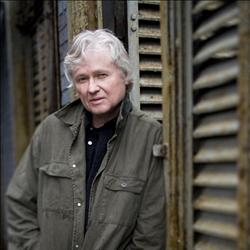
Yes, Chip Taylor is Mr “Wild Thing.” He is also Jon Voight’s brother and, therefore, Angelina Jolie’s uncle. The riff is actually a chord progression and it follows a simple A Major pattern of I, IV, V, IV – or in lettered chord names, A, D, E, D. Most great guitar riffs tend to be easy to play. Remember, it is important to get something recorded that others will want to listen to over and over again. Simplicity is key.

“Wild Thing” was first recorded by Jordan Christopher & The Wild Ones in 1965, but The Troggs absolutely knocked it out of the park with their version. Then, Jimi Hendrix burned the stage, literally, after performing “Wild Thing” and famously setting his guitar on fire at the Monterey Pop Festival in 1967. “Wild Thing” was also used in the movie “Major League” as the theme song for Charlie Sheen’s character Rick Vaughn.

The riff is unmistakable and mostly no one can tell you who originated it. Now you know. It is Chip Taylor. So the next time you see someone rocking out to the chord progression you can let them know that Angelina Jolie’s uncle is the man behind the song!