Archive by Author

The Evolution of the Statesboro Blues

11 Apr

List five of the most famous blues songs you can think of. Was “Statesboro Blues” on your list? It is a mainstay on most lists not only because of its excellence as a song, but also because of its proliferation – i.e. the song was re-recorded by the right people. Even if “Statesboro Blues” didn’t find a spot on your list, it is certainly a staple of blues history and a widely recognized song today. You hear the opening few notes of the riff and hear “Wake up Mama, turn your lamp down low” and you just know you are traveling to Georgia to experience the Statesboro blues. But with whom are you traveling with. The original creator of the famous blues piece, the first modernizer, or the performers with arguably the best version of the song? I think we are in need of a Blues Evolution.

By the way, before I continue, if you are interested in the blues and want to learn more about famous originators check out the list that John Phillips is compiling over at the Real Canadian Music Blog. His Let’s Explore the Blues section offers a deep dive into pre-rock blues (http://therealcanadianmusicblog.wordpress.com/category/blues/)

The best way to explore the evolution of “Statesboro Blues” is to work backwards. Instead of starting in 1928, let’s start 43 years later at the Fillmore East in March of 1971. The Allman Brothers recorded a version of blues piece for their live album At Fillmore East, which is one of the most extraordinary live albums ever released. The song is now a staple during Allman Brothers’ concerts. Why did the song succeed initially? One name. Duane Allman. His slide work on “Statesboro Blues” is some of the greatest ever done by any guitarist ever. It is spine-tingling, goose-bump inducing, holy sh*t how is he making that sound, good. You can listen to it over and over again, transcribe it and play it until your fingers are blue and pulsating, NO ONE will ever play the slide guitar and this song like Duane Allman. Let’s not forget Dickey Betts who also creates a magical tone with his guitar. The riff is heavenly, the blues solo scary good, and the vocals fresh and original. The Allman Brothers makes the song theirs, which is partly why everyone thinks it is their song!

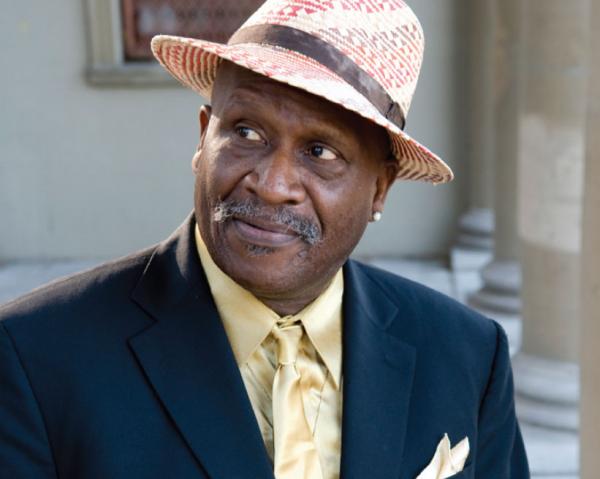
But it’s not. And it is not Taj Mahal’s either, who recorded a modernized version of the song for his eponymous debut album in 1968. The version, slower than the Allman Brothers piece, clearly influenced the Brothers. Taj Mahal’s voice is the strength of his version. I give him a whole lot of credit for turning this song into a late 60s blues piece, but he knocks the piece out with his chops. Listen here:

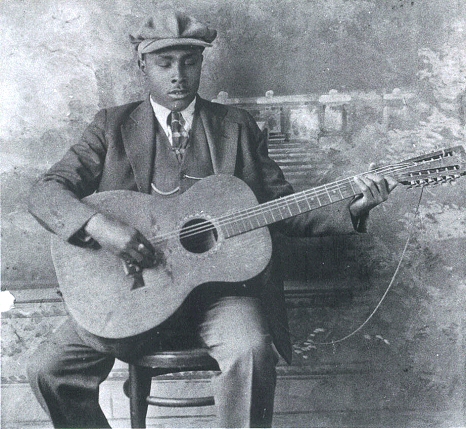
Will the real Statesboro Bluesman please stand up? Name is Willie McTell, Blind Willie Mctell. McTell was an early 20th century blues singer/songwriter/guitarist, with tremendous skill on the 12-string guitar – fingerstyle and slide (Allman inspiration of course). His music is more Eastern than Delta Blues. It is more ragtimey and his voice is not as granular as the deep south Delta blues performers like Big Joe Williams and Charley Patton.

The original lyric is different from the Taj Mahal and Allman Brothers versions of the song. The covers splice together parts of McTell’s original lyric, a narrative about some family struck with the Statesboro, Georgia blues. One of the most influential portions of the song is McTell’s fast-paced verse progression later in the song which is a bit atypical and certainly much appreciated. Anybody out there have the “Statesboro Blues?”
How About the Electrical Signs?

10 Apr

Get Electrical

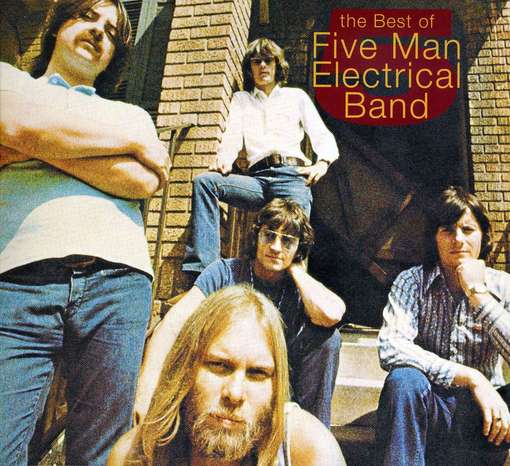
And the sign said long-haired freaky people need not apply. If you were of cognition in 1971 you knew this line pretty damn well. Five Man Electrical Band’s “Signs” propelled the band into the national spotlight and engendered a youth protest against signs. Okay, not really, but it certainly did hold a message of inherent earthy freedoms and a sharp criticism of discrimination. While the hippie culture “died” in 1969, some elements did carry over in the 70s and this Canadian band’s symbolic piece’s success proved that protest against unjustifiable treatment was still ripe.

But let’s back up a little bit. “Signs” is widely viewed as a one hit wonder, and a gigantic one at that (one that reached #3 on Billboard Top 100, #1 in Australia for nearly two months, and went gold). The Five Man Electrical Band had been around for a while though and while they may never escape the one hit wonder crown, their history is still worth delving into.

The band formed in Ottawa in 1964 as the Staccatos and first gained recognition in 1967 when they recorded an album with The Guess Who. In 1968 the band was vocalist/guitarist Les Emmerson, bassist Brian Rading, keyboardist Ted Gerow, and drummers Rick “Bell” Belanger and Mike “Bell” Belanger. They released another album to no fanfare and attempted reviving their career in Los Angeles with a flop, “It Never Rains on Maple Lane.” The band changed their name and style, was dropped, was picked up – credit to the influential Dallas Smith here, and then finally released “Signs,” but originally as an unsuccesful B-Side. It was remarketed and then hit major success. 

Let’s listen to the flop prior to the hit.

Okay it is not awful. It is Association-like pop music without a true hook to pull listeners in. That is probably why it didn’t meet success. The keyboard and harmonies are light-hearted and the lead vocal is smooth. It is definitely different from “Signs” which is more upbeat and rock-influenced.

More like this. “Signs” combines the elements of a succesful song. An excellent vocal combined with a catchy chorus. The song moves with an effervescent protest that is rich with strong harmonies and a smart lyric.

The Finals – Can Revolver Upset Pet Sounds?

9 Apr

The finale post is among us. It has been an excellent competition even though the majority of match-ups have favored the favorite. But I was expecting this to go chalk like last year. I guess it means I picked pretty good albums as the top seeds!

Before we go into the Finals (where we had a bit of a shocker) let me set the stage for the rest of the week. If you haven’t noticed by the lack of posting, I have been busy lately with work-related travel, holidays, and other things. This week should slide by swimmingly with some obscure classic rock and other normal posting. After I reveal the winner of the March Madness competition on April 16, though, things are going to get very new for the end of April. Last summer I introduced a week-long new band posting splurge. Well, I have a lot of new bands I want to profile, so expect an expanded version of that. Also, I will be going to three shows before April ends (Guster, Colin Hay, and the Left Banke), so you expect reviews of each. It should be a great rest of April. Now, on to the finals.

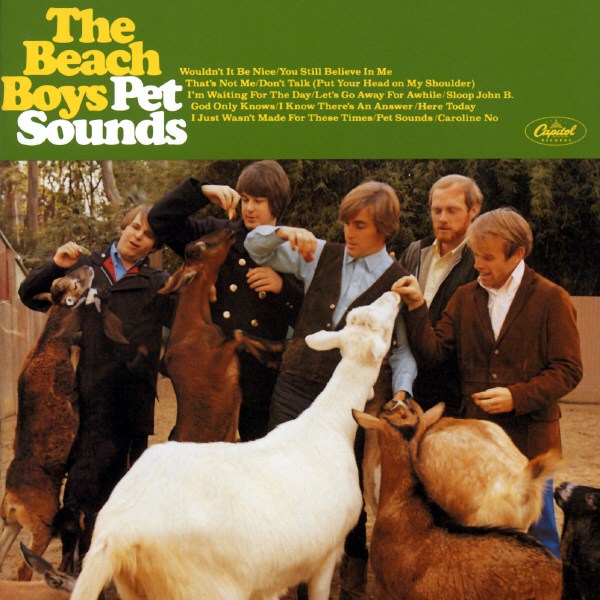
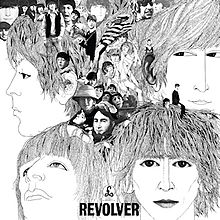
#1 Seed: Pet Sounds by the Beach Boys vs. #3 Seed: Revolver by The Beatles

In 1966, The Beach Boys and the Beatles could have easily taken the shared title of “Best Band of the Time.” So, in that sense, it is certainly understandable that they are facing each other in the finals for best album. The shock here is Revolver, which was losing to Bob Dylan’s Blonde on Blonde for nearly the entire week, but a late run of Beatles-favored voters put it into the finals by ONE vote. The Beatles won in last year’s March Madness poll with Sgt. Peppers. They are the UCLA of this poll. The Beach Boys, despite having serious difficulties shaking off Simon and Garfunkel in the Elite Eight, easily defeated Freak Out in the final four. Now these two perennial superpowers meet.

Since this is inspired by March Madness I am going to compare these two albums in basketball terms. The Beatles and Beach Boys both introduced a brand new offensive scheme in 1966. It featured a lot of mind manipulation (very strategic and skillful) and fast-paced play followed by moments of a slowed-down attack. Now they face each other. Two very similar schemes – one perhaps more developed than the other (Pet Sounds over Revolver in this case). Who will win? Well, that’s up to you all. Happy voting.

Opening Day For The New York Mets – Have Hope

5 Apr

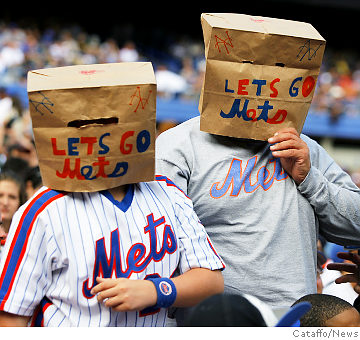
Mets Pride?

So this is how it is. I am a fan of the New York Mets. I have been since I was a wee lad and I will be until I am interred. I feel that Mets fans do have a sense of self-pity, often exclaiming, “I am asked how I cheer for this team…” Well, look, at least we are not the Cubs, right?

But I am not here to discuss the ineptitude of my beloved franchise. There is much negative to discuss (whether it be ownership or talent). There is also a whole world of unrepresented optimism (burgeoning farm system, young star quality). Let’s put all of the sabermetrics and notorious Mets-related pessimism aside for a moment. Let’s just talk about Opening Day.

I’ve always had a special relationship with Opening Day. It is an American representation of Spring’s beginning. While it is chilly in New York, the weather doesn’t matter. Baseball is back. The fields are neatly manicured, the basepaths chalked with fine white spray, the bats sticky with tar, and gloves stiff with anticipation. Even if the game is not sold out (looking at you Mets), the bright-eyed youngsters and beleaguered old fans are together, are one, to celebrate the time-honored tradition of welcoming baseball back to the city. And, well, it’s a simple beauty.

The Mets are celebrating their 50th anniversary this year and most fans are prepared for a disappointing season where the Mets will struggle mightily to keep up with the talent in their division. Most fans are already looking ahead to 2014 and the maturation of prospects starting their own opening day this year in Binghamton or Buffalo (or Florida still). Take a second, though, even if you cannot muster up the excitement (not even a small grin) for the beginning of the season. Come on Mets fans. I beckon you. I behoove you. It’s opening day. I know your heart is blue and orange. Let it shine through and cheer for the mighty metropolitans, the miracle mets, the Amazins, the team you grew up with and cheered for when you were a kid, the team that can turn a dull person passionate. Cheer for our New York Mets.

Remember. You have to play the games. So let’s do just that. Join me in a nationwide chorus to say the two greatest words in modern sport. Play Ball!

Singing The Natch’l Blues

3 Apr

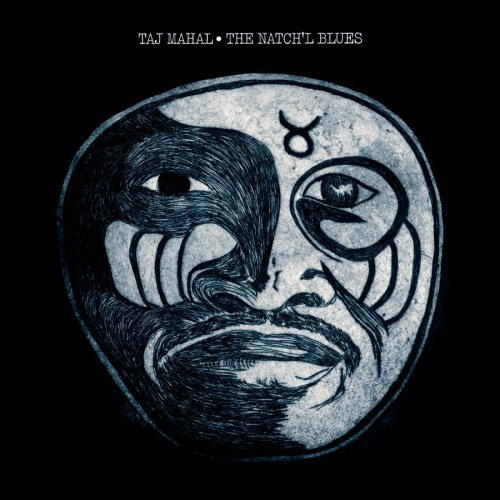
The Natch'l Blues (1968)

Henry Saint Clair Fredericks Jr. has been a musician since birth. His mother sang in a Harlem, New York, gospel choir and his father was a piano player and jazz arranger. The apple doesn’t fall far from the tree. Fredericks Jr. grew up with a keen ear for music – preferring Jazz and World Music. After his father died in an accident, his mother remarried, and at 13, his stepfather introduced him to guitar which became his instrument of comfort. In the late 50s he changed his stage name to Taj Mahal – citing Gandhi as an inspiration – and began playing music more regularly (pairing this love with his equal skill for farming).

Taj Mahal fused blues with world music and quickly became an inspirational musician. He has released 25 studio albums (and several live albums) over an ongoing 40-year-career. He has won three Grammy Awards, been featured on several albums, and he has also been in films – including Blues Brothers 2000. His career has been among some of the most industrious musicians AND he oozes with bluesy talent. Here is my question. Why is Taj Mahal not more universally recognized as the tremendous musician he is? And, yes, he has a great and faithful fanbase, but I think he deserves even more recognition.

I first saw Taj Mahal on PBS. Yes, PBS. After the Rolling Stones finally sucked in the pride and released footage from their Rock And Roll Circus, PBS featured the footage in one of their package sets. Taj Mahal was there in dark Lennon-like shades, a gold-colored vest, and a beige cowboy hat. He played “Ain’t That a Lotta Love” from the 1968 album (his second solo) The Natch’l Blues.

The Natch’l Blues is a nine-track album featuring Taj Mahal, session extraordinaire Jesse Ed Davis, bassist Gary Gilmore, drummers Chuck Blackwell and Earl Palmer (another session extraordinaire), and Al Kooper (later a member of Blood Sweat and Tears). The music is a blend of rock-infused, grunty blues and southern soul. Each track is worth an individual mention, but I am going to point out two for your enjoyment.

This is footage of “Aint That A Lot of Love” from the Rolling Stones Rock N’ Roll Circus. The defined bass riff is jumpy, the guitar composed, and Taj Mahal’s voice loose and passionate. It is Southern Rock/Blues at its finest – a gruntier and harder version of something the Allman Brothers would create. The music actually sounds to me like a combination of Capricorn and STAX records. It is most definitely a product of late 60’s blues (a genre that Eric Clapton was thriving in at the time). The footage is also fantastic.

“Corinna” is relaxed, but still a good example of the blues/soul mix that Taj Mahal excelled in creating. The harmonica and steel-bodied guitar blend together like ice cream and chocolate syrup and Taj Mahal’s voice accentuates the songs draw.