Archive | Artist Profiles RSS feed for this section

Bonson Berner Beats

8 Nov

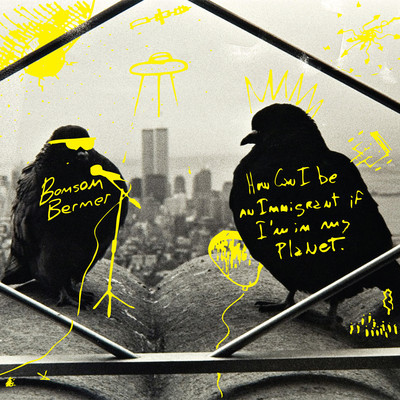
Bonson Berner, a Los Angeles-based Indie band, wonders How Can I Be an Immigrant If I’m On My Planet, the title of their new album. In a similar vein, I’m wondering how can I be a nomad if I have my own home. Okay, maybe that’s not too similar.

In 1988, glam-band Cinderella released “Don’t Know What You Got ‘Till It’s Gone,” and while the song is a classic example of terrible 80’s power ballads, they do make a good point. Hurricane Sandy knocked off the electricity in my house, and the power authority has yet to turn it back on. Thus, no heat or lights. I have become a nomad, traveling from home to home, crashing on couches (mainly) in exchange for affable company. Thus, posting has been difficult. It is eerie in New York. The last two weeks have gone by in slow motion, and, we can only hope that this weekend brings an end to this tired movement. Since I am currently in an area with internet connection, I do want to lose an opportunity to provide you with some great new music.

1988 also saw the release of the Talking Heads’ final album Naked. The 80s were not a complete wasteland for music. Bonson Berner, the band I would like to focus on today, plays a call-back style of music reminiscent of Talking Heads percussion and synth.

Bonson Berner is the product of musicians Pato Aloi, who, after forming an influential indie band in Argentina called Siga La Flecha, created a musical project with local musicians and titled the consortium Bonson Berner. How Can I Be an Immigrant If I’m On My Planet is the band’s first release, and it was produced in Argentina and Los Angeles.

“Running Days” moves with its inventive percussion and synth. Diego Cuevas, synth, and Blair Shotts, drums, lay an itinerant track that persists through the short piece with strength and toe-tapping rhythm. The percussion is what immediately reminded me of the Talking Heads, who also stressed constant rhythm in their songs. Gustavo Limon emphasized this rhythm in his guitar. The song, though, is carried by Aloi’s croon. In a style similar to The National’s Matt Berninger, Aloi’s voice masterfully rises and falls, and, much like the percussion, remains a constant force. The stop-motion video is well done and matches the song well.

“Movement 4” moves similarly, but it features more of a light South American guitar, which provides an intriguing juxtaposition between American and South American indie music elements.

Listen to more of Bonson Berner’s new album

Check out their Facebook and Website

Shamefaced Sparrows in the Surf

24 Oct

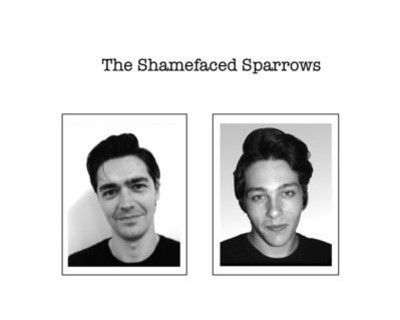
Who said surf rock was dead? Surf rock will never die. While the combination of spring reverb, rapid tremolo picking, and liberal use of the vibrato arm may not be a common technique mixture any longer, that doesn’t mean the skill has evaporated. The technique, which found its wings in the early 60s, has been up in the clouds waiting to gather enough strength to pour back down. The Shamefaced Sparrows are looking to trigger that cloud explosion.

Guitar-driven surf rock first became popular with Dick Dale and the Deltones. Dale was influenced by his Arabic musical roots, and he experimented with rapid picking and reverb. Soon, other artists caught on, and the style became a craze. Link Wray, Duane Eddy, The Ventures, The Tornadoes, and many other bands mastered the style and released a variety of songs based on the same formula. And just like its quick rise, it declined in popularity (like most musical fads), and was replaced by new styles of music.

Recently, though, surf music has seen a revival. Quentin Tarantino’s 1994 “Pulp Fiction” soundtrack helped. “Bustin’ Surfboards” by the Tornadoes was among several surf tracks featured. The rhythm guitarist of the British surf act the Tornadoes was George Bellamy. Recognize the last name. George is Matthew Bellamy’s father. Matthew, of course, is the lead vocalist and guitarist of Muse, and he paid tribute to the genre that his father helped develop with the 2006 song “Knights of Cydonia.”

Enough with the boring history. Let’s get to the good stuff. The Shamefaced Sparrows fell in love with surf music as schoolboys through their shared obsession with “Pulp Fiction”  and its soundtrack. A new wave film introduced them to “Jack The Ripper” by Link Wray, and while they were previously aware of Wray’s music, they were ignorant of that particular song. It sparked a more in-depth focus on Wray’s music. Surf rock was instilled in them since they were young. As musicians, it wasn’t tough to pick a type of music to play.

The first reverbed note echoes all the great surf songs of the past. It is refreshing to hear this music. I use refreshing because, like riding waves on a cozy summer day, the music splashes you with salty notes and smooth bass. The song title is fitting. The vocals add an intriguing quality to this piece. While the music almost calls to be instrumental, the effect-saturated vocal introduces a neo-psychedelic, Elephant 6 quality.

We pick up “The Madison” next, which begins with an immediate call back to one of the most famous surf rock tracks of all time, “Misirlou” by Dick Dale. Shredding before shredding was conceptualized. Pure awesomeness. This opening section combines additional riffs with some extraneous voices spliced into the tape (nice touch). When it seems like it is about to hit a climax point at around 40 seconds, the song changes into a light-hearted White Stripes/Black Keys-like riff and vocals. A tremendous transition. Just plain cool.

The Shamefaced Sparrows label their music as Death Pop. Might I suggest a change? To me, the music sounds more like “surfadelic” or “indiesurf.” The Shamefaced Sparrows have something here. Can the music use some refinement? Yes. But that will come with time. This is not just a throwback act. They are adding modern elements into an old fad. There is no shame in that.

Check out some more materia: http://soundcloud.com/shamefacedsparrows

The Dunwells are Doing Just Fine

3 Oct

The Dunwells

Every band goes through a point early in their career when they must make a decision on whether or not their music is worth being pursued. It’s a dreaded decision.

That point in the Dunwells’ young career came when the well ran dry and they were without consistent shows. A fortuitous UK tour, an invite to perform at the Folk Alliance Conference in Memphis (which they took advantage of and flew in across the pond for despite their lack of funds), and the subsequent winning of the ‘break-out band’ title at the conference, turned around the favor of the British folk band, and since then, dare I say, they are doing quite well.

The Dunwells are one of the more intriguing bands I have profiled in a while. They display an authentic brand of organic Americana (despite their Leeds roots) and their powerful harmonies trump folk contemporaries like Mumford and Sons. The band also demonstrates a keen interest in creating variety in their music. Acoustic ballads much akin to Justin Nozuka or even Eric Hutchinson are followed by toe-tapping, riff-smashing Tom Petty-like songs. If I have one criticism with several folk bands today, it is with their lack of variety. The Dunwells crush that convention and then let their skillful harmonies do the rest of the talking.

The band was formed by Joseph and David Dunwell, two brothers and former solo performers, in October of 2009. They recruited friends and local musicians to complete their band, eventually ending up with a lineup that consisted of them, Jonny Lamb (drums), David Hanson (lead guitar), and Jonny Lamb’s cousin Rob Clayton (bass). They released their debut single (“Elizabeth” – below) in 2010 and it achieved moderate chart success. Eventually, they were recognized for all the skills mentioned above. It just so happened it came by way of former Cutting Crew keyboardist Tony Moore, who spotted the band and invited them to the folk festival in the United States which then led to them being signed by Austin, Texas-based label, Traffic Records.

The Dunwells released their sweet debut Blind Sighted Faith on February 14, 2012. They are now making their rounds touring, and recently were showcased on the Jay Leno Show (their television debut) in August of this year.

This is a great sample of why I am so high on this band. This is one of those acoustic ballads I mentioned before. At first listen, I was blown away by the Backstreet Boys harmonies. Seriously, they are that smooth. But do you know what’s scary? There are no effects added to this piece. This is purely acoustic. They are naturally this talented. The song itself is soothing and constructed well. The vocal interplay later in the song is fresh and skillful. It is actually difficult to not like this song.

And then BOOM. You are hit square in the face by a song that you could swear is by another band (until you hear the harmonies). The blues-saturated, powerful folk/rock song features instrumental breakdowns, vocal repetition, and a damn effect-driven electric guitar solo. It is an example of a band that knows hard work, exasperation, and, well, good music. No, great music. The inter-connectedness and fortitude supporting the band is refreshing, and I am excited to hear more from them in the future. This is most certainly a band to watch.

Find out more about the band by following their Facebook or Twitter. You can also check out their website

Panda Channels Big Mama Thornton

20 Sep

Watch that full video. Yes, the entire thing. Above is 42-year-old Panda Ross singing Sam Cooke’s “Bring it on Home” in her audition for The X Factor. She was still suffering from a touch of pneumonia as she performed and later had to be given oxygen. Fact is, all her bubbly personality and incredible stage presence aside, Panda can sing. Sing may even be putting it lightly.

I have watched a lot of auditions in my years of sitting through singing competitions, and this one may have been my favorite. When I heard her first note, I became overwhelmed with excitement. Panda Ross’ voice is not from 2012. Her guttural, gospel, croon is a relic, a call-back to a time in history when the foundation of rock n’ roll was still being founded and the inspiration of blues was in full force. Last night, she channeled the late Big Mama Thornton, who sang the original recording of “Hound Dog.” Just listen.

Strong matriarchal musicians like Mama Thornton became inspirations to ALL female vocalists, especially some of the best to ever open their pipes (Aretha Franklin, Janis Joplin). So you understand why I was so excited to hear Panda Ross fully encapsulate some back-shelf blues last night. I only wish her the best in the competition, and I hope she goes a long way.

And, just in case you forgot how good of a voice Sam Cooke had, here is the original version of the song Panda Ross is singing above.

Stargroves Knows What the Snowman Learned About Love

18 Sep

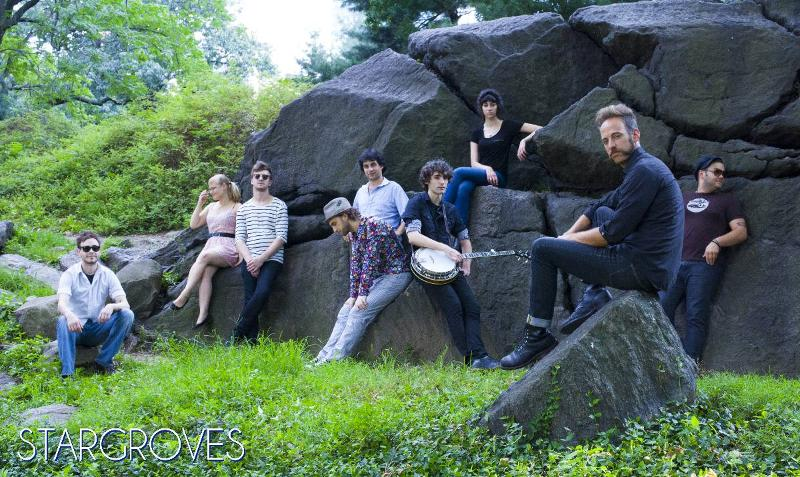
Cover songs can go one of two ways. Stargroves’ cover of Stars’ “What the Snowman Learned About Love” goes the good way. This new collection of New York City musicians, led by singer/songwriter Teddy Watson, took on Stars’ folk/electronica song, and while keeping its innate structure, transformed the arrangement to include a large collection of instruments. This engaging amalgamation of sound makes Stargoves’ version a true tour de force, and, in my opinion, on par with the original – which I am including below this paragraph.

The cover also helps introduce the band, whose first Youtube video is this piece. The band was in the recording studio during the summer with producer Jeremy Sklarsky (Freelance Whales), and they plan on releasing some singles in the next few months. If this cover is any indication, this a band you are going to be hearing a lot more about. The music is skilled, passionate, and exciting. Here is the line-up that you see in the video:

Core Band:

Teddy Watson: banjo, guitar, vocals
Enrico De Trizio: keyboard, synth, accordion
Bryan Percivall: bass, backing vocals
Charlie Rauh: electric guitar, backing vocals
Oskar Häggdahl: drums

Extended Roster:

Jesse Stacken: toy piano
Concetta Abbate: violin, viola, mandolin
George Lykogiannis: harmonium
Sarah Goldstone: melodica

And the video:

First off, I respect any song that begins with an accordion, which is awesome. The song picks up with banjo, upright bass, viola, keys, drums, and an odd consortium of other instruments. The created sound is original and attractive. Watson’s voice is smooth, lullaby-esque, and pleasant to listen to. The talent just effuses from the video. A skillful cover, and a great indication of things to come for a band I am now quite excited to follow!