It may be late, but it is still June 24 and as long as it remains this date some important musicians are celebrating their birthdays. The expansive list includes Mick Fleetwood, Jeff Beck, Arthur Brown and the often overlooked Colin Blunstone of the 60’s pop/psychedelic group The Zombies.
Colin Blunstone turned 65 today and I want to use this opportunity to wish him a very happy birthday. His soft voice was instrumental in giving The Zombies’ iconic hit “Time of the Season” the whispering, almost spooky, sound that has become synonymous with the psychedelic late 60s. The song, written by Rod Argent, was the last track on Odessey & Oracle which was released in April of 1968. “Time of the Season” only made it on the record because of the urging of Al Kooper (who is best known for bringing Blood, Sweat & Tears together), and it hit the big time over a year after the band broke up. Very strange story. So, in honor of Mr. Blunstone, let me take you back to the summer of love.
I want to take a second out of my morning to wish my father, and all of the fathers out there, a very happy father’s day. I wish I could spend more time on this post, but I have to get ready for work. But, this will not stop me from providing a song for this day.
“Cats in the Cradle,” is too perfect of a song to pass up. It was released by Chapin on his 1974 album Verities and Balderdash. The song profiles growing up in a story told through each ageing verse. The lyrics to the song’s verses were originally written as a poem by Sandy Chapin, Harry’s wife, and she is co-credited in the song.
Last Friday, my dad, brother and I went to go see Jethro Tull and Procol Harum in a double-bill show at the Jones Beach Theater in Wantagh, NY. Our annual trip to Jones Beach Theater has become a constant in our summer plans. Sometimes, we even make the pilgrimage twice. Without fail, Jones Beach Theater always holds interesting concerts and this provides us with the opportunity to enjoy great music and discuss rock n’ roll (something I am obviously passionate about doing).
Jethro Tull performing
The opening set by Procol Harum was a fantastic mood setter and it was great to hear Gary Brooker and his sensational croon effortlessly pound out Harum’s hits. Jethro Tull, led by the ultimate eccentric showman Ian Anderson, put on an energetic show of great eclat. Both Harum and Tull combined to form a powerful duo of skilled musicianship and heavy classical music undertones. That’s right, classical music. Actually, if you read on you will find out how both Tull and Harum’s most famous songs were influenced by classical music. By the way, classical music is not the only thing that Tull and Harum have in common.
Oh, yes, it’s time for another installment of music knowledge off the back wall. Harum’s current bassist is Matt Pegg. Pegg’s father, Dave, was invited to play with Tull in 1979 when former bassist, John Glascock, was ailing (he would die not long after, at the age of 28, as a result of a congenital heart defect). Dave Pegg played with Ian Anderson (back when Anderson’s hair was wild and…long) and long-time guitarist Martin Barre, when his son, Matt, was a wee lad. Dave Pegg is also the longest serving member of the electic-folk band, Fairport Convention, which set the stage for the true electic-folk genre with their 1969 release Liege and Lief…and now I am prattling. Let’s close the door leading to the back wall and move on.
As I was saying, classical music is a large part of both Jethro Tull and Procol Harum’s greatest hits. To prove this to you, I will profile both of the band’s most famous pieces in a warped installment of song of the day. So, let’s hop to it.
Procol Harum’s biggest hit is “A Whiter Shade of Pale.” This goes without contention. I can only imagine the many who just went to themselves, “Oh, that’s who Procul Harum is.” “A Whiter Shade of Pale,” recently came under the attention of
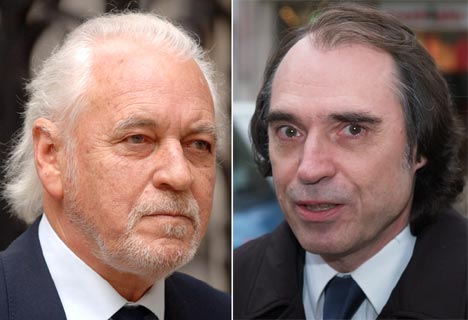
Brooker (left), Fisher (right)
the High Court in England. In 2005, former Harum organist Matthew Fisher filed a lawsuit against singer and pianist, Gary Brooker, claiming that he co-wrote the song with Brooker and lyricist Keith Reid. After much deliberation, and multiple appeals, the case finally was closed last summer after a unanimous ruling from the Law Lords of the House of Lords awarded Fisher co-writing credits for the song.
Now that we have thrown around the term “lord” we can get into some classical discussion. “A Whiter Shade of Pale,” written by Brooker, Reid, and Fisher, was released on May 12, 1967. The song was an immediate hit that has had major staying power. According to a chart compiled for BBC Radio 2 by the licensing firm PPL, the song is the most played song in UK public places in the past 75 years. The song is also 57th on Rolling Stone Magazine’s 500 Greatest Songs of All Time list. And, whenever anybody thinks of the song, their mind most likely goes to the song’s anagogic organ riff that is both celestial and greatly catchy. The Hammond organ riff was inspired by Johann Sebestian Bach’s, “Sleeper’s Wake!” and “Air on a G String.” A classical reference, indeed.
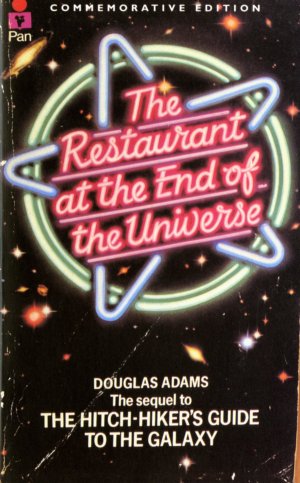
By the way, did you know that novelist Douglas Adams’s second novel in the “Hitch-hiker’s Guide to the Galaxy” book series, “Restaurant at the End of the Universe” was inspired by the explosion of sound as Mick Grabham’s guitar comes in before the final verse of the song, “Grand Hotel.”
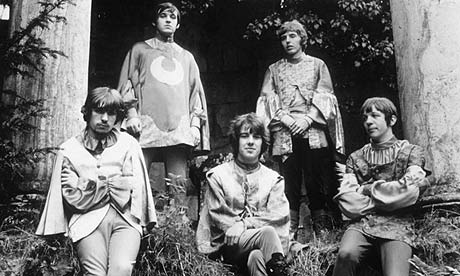
Procol Harum was here
Jethro Tull’s, “Aqualung,” the title track of their first U.S. Top 10 Album, Aqualung (released March 19, 1971), features some of the most famous opening notes in rock history. The riff (phonetically translated as ba ba ba ba ba ba *drum beat*) certainly evinces Ian Anderson’s knowledge and admiration of Ludwig Van Beethoven and his fifth symphony.
Classical music is alive and well folks, and it can be heard in relatively modern music. It are those artists who notice and take advantage of classical music’s appearance in rock music by studying and implementing it into their own music succesfully, that often find a wide world of positive recognition and praise among fellow musicians, and hopefully fans with a keen ear to great music.
In 1915, inspired by the poem “In Flanders Fields” by John McCrae, Moina Michael wrote:
We cherish too, the Poppy red
That grows on fields where valor led,
It seems to signal to the skies
That blood of heroes never dies.
This seems to be a random piece of unimportant information, but, keep reading. Traditionally, Memorial Day, which will be officially observed tomorrow, involved poppies and proper American flag etiquette. Yet, as the years have marched on, tradition has been lost and replaced instead by backyard barbecues, beer, and a day off from work. Well, that’s all well and good, but the history of Memorial Day is often left behind. Did you know that Memorial Day was officially proclaimed by General John Logan, the national commander of the Grand Army of the Republic (veterans of the Union army), on May 5, 1868. And, it was first observed 142 years ago, when flowers were placed on the graves of Union and Confederate soldiers in Arlington National Cemetery.
This is why I have chosen to lead this post with this particular poem. It is so easy to lose the true purpose of Memorial Day among the vast quantities of burgers, hot dogs, cole slaw and apple pie (the classic American feast). Family comes over and discussion generally does not enter the realm of war and death. Why? Well, it’s rather depressing. I will be the first one to tell you. Such discussion can ruin a pleasant afternoon. Yes, I understand this particular quandary, but, it goes without saying that we must honor our fallen soldiers each and every day. Memorial Day provides a convenient calendar date to reflect, but, what good does it serve if many do not reflect. So, I will institute in this post a call to action. Go outside tomorrow into your garden, your local park, your street corner; at a Memorial Day gathering or by yourself. Pluck a flower from the ground (does not have to be a poppy). Think of the men and women who have made the ultimate sacrifice for our country and think of their families who may be having a memorial day barbecue without the smile of their lost son, daughter, mom or dad. Think of them and let the flower go. Keeping them in our mind is the least we can do.
Now, onto some music. Many are probably assuming that I will go with the classic Memorial Day song choice on this blog post. Lee Greenwood’s “Proud to be an American” is as patriotic as kissing the American flag, but, I want to choose something a little different. Like Q1043 (the classic rock radio station of the New York City/Long Island area) often says, “Let’s take one off the back wall.” So, my Memorial Day must-have comes from Staff Sergeant Barry Sadler, “Ballad of the Green Beret.”
Stay close tomorrow; another post will be coming out you. One having to do with my recent trip to Israel (which is still screwing with my sleep patterns).
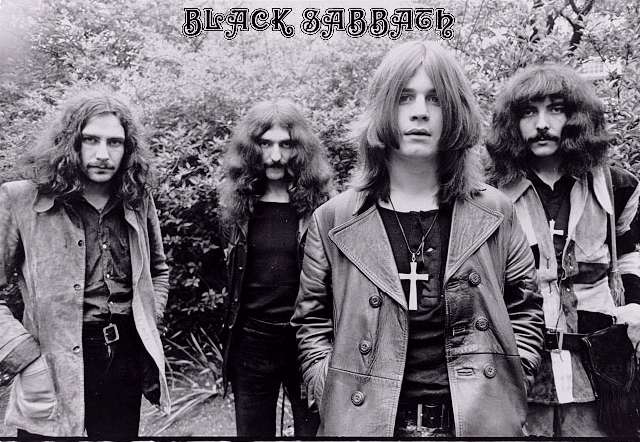
I want to congratulate the Mexican army for their fearless and unexpected victory over the French forces at the Battle of Puebla. What? That was 148 years ago. Oh. Well, great job Mexico. Yes, today is the voluntarily-observed holiday of Cinco De Mayo. The day, like St. Patrick’s day, has become synonymous with drunken revelry. It is also Bill Ward’s birthday. Ward, 62, is the original and current drummer for Black Sabbath, and, as one YouTube member put it, “is God.” Maybe not God (we will reserve that for Clapton), but he is certainly a very skilled and under-appreciated drummer. So, Happy Sabbath Birthday to Bill Ward, may all your “War Pigs” come true.

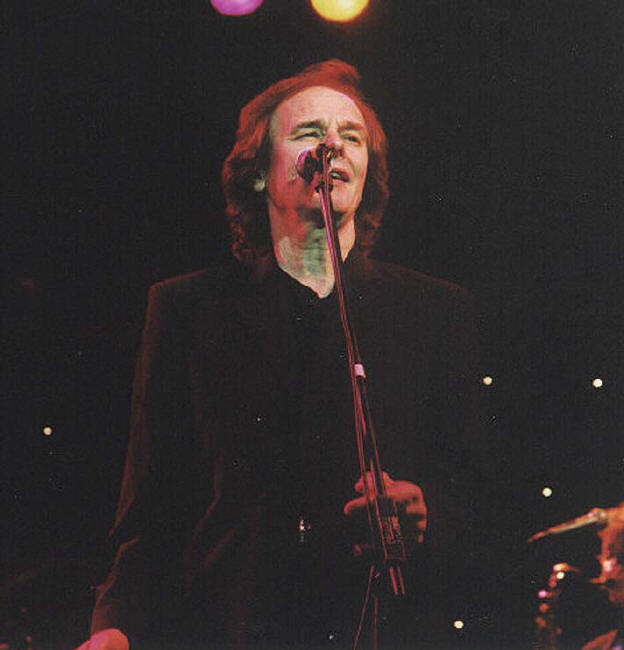 Colin Blunstone turned 65 today and I want to use this opportunity to wish him a very happy birthday. His soft voice was instrumental in giving The Zombies’ iconic hit “Time of the Season” the whispering, almost spooky, sound that has become synonymous with the psychedelic late 60s. The song, written by Rod Argent, was the last track on Odessey & Oracle which was released in April of 1968. “Time of the Season” only made it on the record because of the urging of Al Kooper (who is best known for bringing Blood, Sweat & Tears together), and it hit the big time over a year after the band broke up. Very strange story. So, in honor of Mr. Blunstone, let me take you back to the summer of love.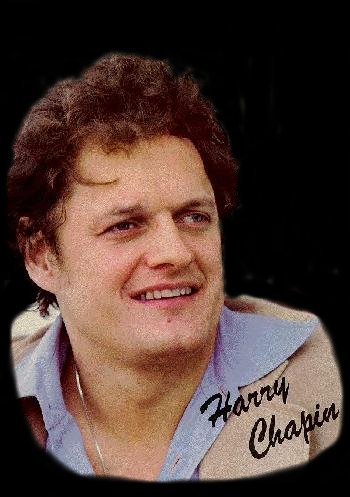





 The Music Court