Archive | June, 2012

Soaked in the Sound from Seluah

21 Jun

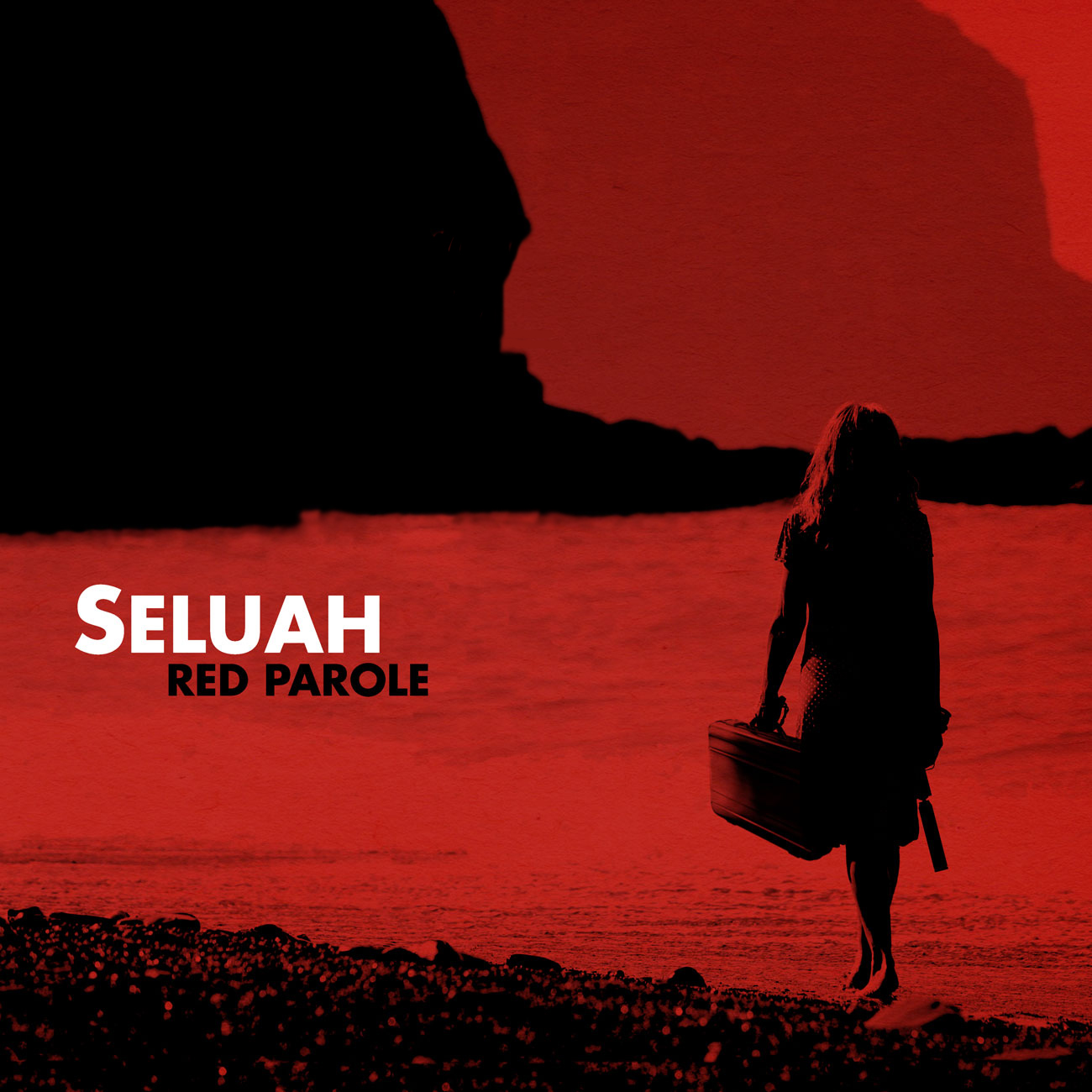
Louisville rock outfit Seluah’s new release Red Parole is a true testament to sound – echoed, encapsulating, engrossing sound. It is a collection of guitar-laden riffs, minatory vocals, and fuzzy repetition, an ode to dark grunge like “Black Hole Sun” mixed with a tinge of 70s early metal. Do not mistake this music for metal, though, because it is certainly not. It goes without genre classification, but if I had to give it my best try I would say that Seluah takes elements of heavy rock, post-rock, and alternative and forms a concoction that is in some parts caliginous and other parts passionate and intriguing.

Seluah released their first EP all the way back in 2002 which received some positive reviews before the band took a hiatus, returning in 2010 to work on some new music. In March of last year they teamed up with My Morning Jacket engineer Kevin Ratterman to record Red Parole which was released in April of this year. The result, like I said above, focuses a lot on weighty instrumentation, heavy percussion, and drawn-out guitars. The album though does feature some well-timed quiet portions that do emphasize the vocals. This is well portrayed in the first track of the album, “We May Never Make It Home,” an ode to Homer’s Odyssey.

It is easy to get into “We May Never Make it Home” from the start. An echoed guitar riff is paired with a killer rhythm and portentous vocal. It doesn’t take long for guitars to pair on top of guitars and drums on top of drums. Soon the song becomes a wall-of-sound delight drenching listeners in a small taste of more to come later. The harmonized vocal is in narrative form. By narrative, I mean that the vocalists focus on telling the story of the lyric (much like folk artists) concentrating more on the lyrics than making vocal runs and such. At around two minutes the vocals fall off into one of the “quiet” parts I was describing earlier. This surf-guitar is a wonderful touch to the maritime song which pairs well with the album cover. It is deceiving, though, and rather ominous. You just know that eventually the symbolic storm will hit again, and it does skillfully, but not in this song. “We May Never Make It Home” is a great opener, and the overwhelming feeling of impending dread does hang over the album as you listen to it.

“The Other Side of the Gun” starts off with a riff that is sticky like molasses, and the verse flows over the riff easily. At around the three-minute mark the song changes entirely. It speeds up and extraneous sounds creep behind the scene waiting until they can explode with a heavily amplified guitar. The instrumental at the end is refreshing. It features several different guitar stylings that keep listeners on their toes.

“Elysian Fields” is the last track on the album and the last song I want to profile. Elysian means characteristics of heaven and the song does take on lingering cherubic qualities, but even these are gloomy and almost alien. The song repeats the line, “There is no such thing as a beautiful girl with a broken heart” and I’m not sure why the band chose to end the album on several repetitions of this line laid over a rising wave of sound culminating in one last flicker of guitar and static. That is up to you to guess. It is certainly an odd piece and one of my favorites off of the album.

To check out the rest of the album click here and you can also check out their website and Facebook
The Rationals Deserve Some of Your Respect

20 Jun

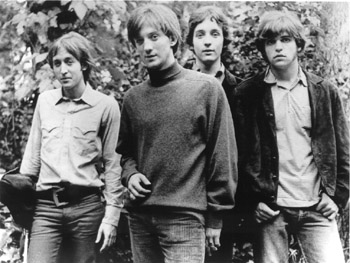
 In 2010, 60’s garage-rock band  The Rationals finally got some respect when they were voted into the Michigan Rock and Roll Legends online Hall of Fame. Coincidentally, The Rationals’ cover of “Respect,” by Otis Redding is what initially launched them onto the charts for the only time in their six-year existence. But despite the lack of success, their brand of Beatles-influenced garage rock was certainly an influence for later Michigan musicians like The Stooges and MC5.

The Rationals were formed in 1964 and immediately found success in the local market. This prompted some attention by record companies, and the band was signed by A² records in 1965. In 1966, the band covered “Respect” which was picked up by Cameo and released to the country. It found the charts at #92 and earned them some notoriety. Unfortunately for the Rationals, the music didn’t latch on everywhere and the band remained a Michigan favorite but not a national success. After some more singles they fell victim to in-fighting and bad management and broke up in 1970.

It took until 2009 for a collection to be put together called Think Rational which featured a good sampling of the band’s work. And, proving that hindsight is always 20/20, the band was (and still is) heralded as a seminal garage rock act and a true unappreciated treasure. Better late than never I guess. It is well deserved. The music is fresh and lively. It is catchy and twangy, raw but organized, British-inspired but genuinely American branded. Lead Singer Scott Morgan, who is battling liver disease and currently awaiting a liver transplant, had a smooth and almost effortless voice. He also could blow the heck out of the harmonica. The band also featured Steve Correll on lead guitar and vocals, Bill Figg on drums, and Terry Trabandt on bass and vocals.

Here is a video of The Rationals performing “Respect.”  It is a tame cover, well constructed and a true head-bopper. I am a big fan of Scott Morgan’s voice. I also love the Brit-esque harmonies and the harmonica trill. When I listened to this cover I was a reminded of Bob Seger’s early work as a garage rock musician in Michigan with his band the Last Heard. Recorded around the same time as The Rationals’ “Respect” you can certainly spot several similarities (the song also shares a similar chorus with “Gloria” which was recorded by Van Morrison and Them two years earlier)

Listen to Seger’s “East Side Story”

Let me also show you the B-side of the “Respect” single that hit the charts. It is “Feelin’ Lost,” and pays even more tribute to the invasion sound that was pervasive in rock music at the time.

The song is short and repetitive. It features choral harmonies, a short recognizable riff, and a constant drum beat. These are all distinguishable factors of the British Invasion and Garage Rock. The band does it quite well though and it is a shame they did not hit more success. But, alas, we can enjoy it now!

Seeping Through with Gavin Stewart

19 Jun

Before I begin writing this post (too late), I have a brief production note for all of you. If you are just here for Gavin please do skip down past the picture. Over the next week or so I am going to be doing three posts about my trip. The posts will be rich with photography and will certainly be melodic (supposing you are also under the belief that creative diction can be musical). Don’t worry, I will fit some music into the posts. You will see. We will start with London. Also, I am seeing the Beach Boys on Sunday. A review will certainly come of that! Now on to Mr. Stewart.

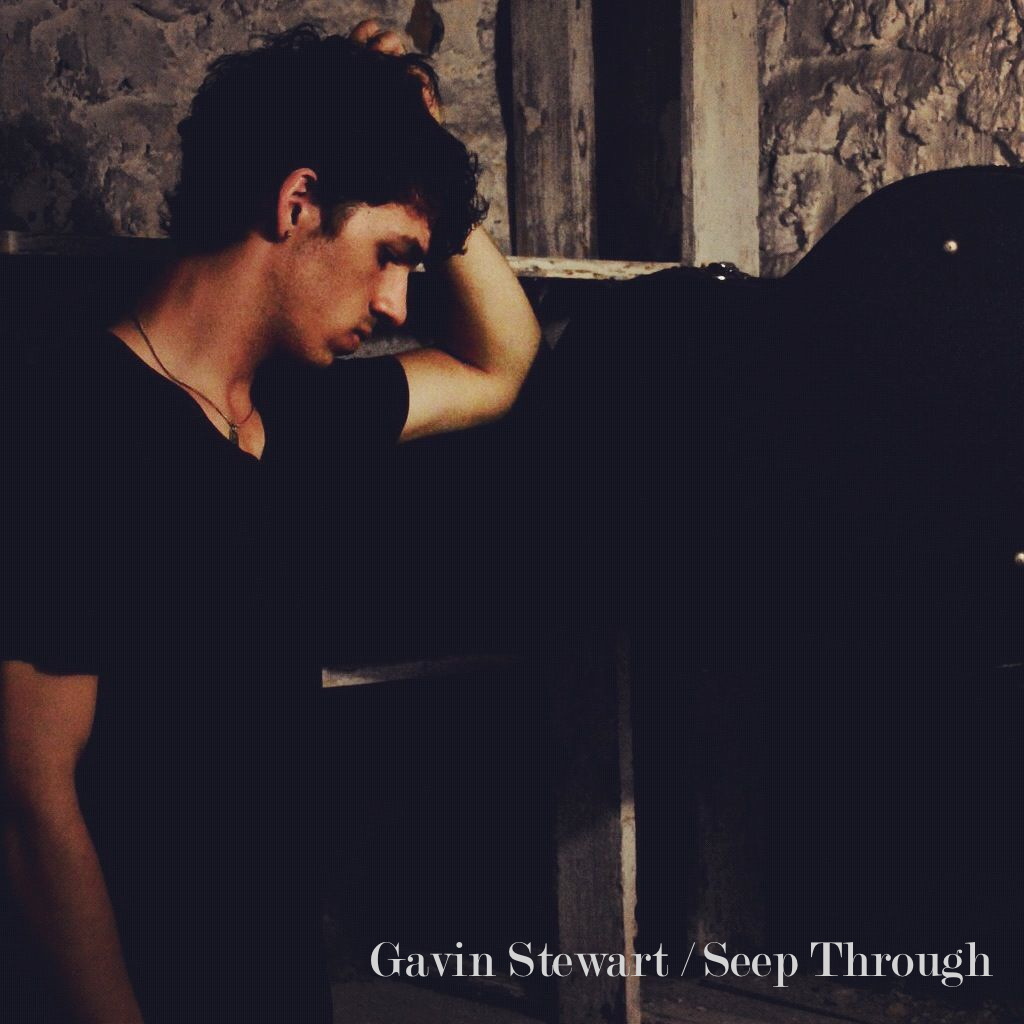
Folk music is diverse. This is not the first time I have written that and it will certainly not be the last time. That is one reason why I love the genre. It never gets old. The transformation of acoustic-driven songwriting has been molded into creative geometric shapes over time. This morphing is always done by musicians who are not afraid to change conventions. Do you see where I am going with this? Gavin Stewart is one of these musicians and his new full-length album Seep Through demonstrates a wide variety of indie-inspired tunes that shake the folk tree.

Stewart is a singer, songwriter, multi-instrumentalist, choreographer and dancer from Tulsa, OK, who fell in love with music at five and never turned back from there. The album began as a solo project, but after meeting producer Drew Mantia in Kansas City a collaboration was formed that resulted in this album.

The album is full with inventive progressions and clever arrangements. Each track is concentrated and different, and the album avoids falling into the trap of monotony. Stewart’s voice does carry most songs; a strong croon like that of Justin Nozuka with a little more grit.

Let’s listen to a few tracks.

I start with “What We’ve Lost” which features a duo with the quirky and passionate Haley Day. It is an exposed piece, quiet and vulnerable, and I particularly like the call and response twist in the verses. The piano riff stays dominant, but does give way to some ambient background noises that create an even more individual experience for the listener. It is deep and very listenable.

As you can immediately hear from the first note, “Golden Silence” is completely different. A disjointed piano and echoed electric guitar is set to the background of a washy tape delay. The song does take shape and how interesting. It is in the form of a polka. The song certainly moves and it does so in an oddly uncomfortable manner, but I say this in a good way. It evokes a similar feeling in the listener that I believe was intentional.

“Iron Wings” is more convention in the sense that it features a quiet Stewart in front of an acoustic guitar. But this song does have this wonderful choral arrangement that adds excellent harmony. Well done, indeed.

Check out the rest of the album by clicking here

The King of 20th Century Music – Happy Birthday Paul McCartney

18 Jun

Sir Paul McCartney performs at the Queen’s Jubilee Concert in front of Buckingham Palace, London, Monday, June 4, 2012. The concert is a part of four days of celebrations to mark the 60 year reign of Britain’s Queen Elizabeth II. (AP Photo/Joel Ryan)

Let’s go back in time a bit. Strip away the amassed fortune of around 475 million pounds, the 60 gold discs, the 100 million albums and singles sold, the co-written 32 billboard #1 hits. Forget about his knighthood and honorary degrees. Let’s go back to when Sir, sorry, just regular Paul McCartney was a 14-year-old chap growing up in Liverpool, England, the son of a Jazz musician and a mother, who in October of his 14th year died of an embolism. Regular young Paul McCartney before he changed the face of music with a little band called the Beatles. A

t 14, he wrote his first song, “I Lost My Little Girl,” a short ditty that sparked McCartney’s musical career. And, at 70 years old, he is showing no sign of stopping.

Here is “I Lost My Little Girl”:

Today, June 18 is Paul McCartney’s birthday. It’s always exciting to talk about Sir Paul. He is easily the most accomplished musician of all time and in my opinion (whatever that is worth) the absolute king of 20th century music. With his coterie of incredible musicians, McCartney and the Beatles flat-out pillaged the charts and exposed a listening public to a melodic proclivity and musical productivity that no one had ever heard before (or would hear again). John Lennon and Paul McCartney combined to form the greatest rock songwriting duo ever, and George Harrison and Ringo Starr completed the band that changed the face of modern music forever. Everyone has listened to the Beatles. Everyone knows the Beatles. Every pop/rock musician is in some way inspired by the Beatles.

So let’s all give Sir Paul a big happy birthday and because it is his birthday, why, the Beatles have a song for him:

Before I wrap up this post, I just want to thank Okocim and Amanda for covering for me when I was away. My trip to London, Paris, and Berlin, was spectacular and Rebecca and I had a joyous time. But, alas, all things must come to an end, and I am back. But that does mean that I am back to posting so that is exciting. The summer is almost officially among us, and I hope that the blog continues providing you all with great new artists and interesting explorations of old bands. If you have any ideas or are interested in writing do not hesitate to e-mail me at musiccourt@gmail.com. Also, don’t forget to follow us on Twitter (@musiccourt) and like us on Facebook (www.facebook.com/musiccourt).

Shigeto

14 Jun


Hi everyone.

This past Sunday night I was in Manhattan seeing a small show featuring two incredibly talented artists. The headliner was Clark, whom I have written about before. He put on one hell of a dance party, showcasing pretty much every single style of electronic known to man. But he is not who I want to talk about. Rather, I would like to focus the spotlight on the artist who opened, named Shigeto.

Shigeto, is a young artist from Michigan, the name being his Japanese middle name. He gained popularity by making bizarre and interesting beats. Here are two of his more popular ones.


The concert started out with him playing his beats for us in good old electronic fashion. He had a small controller which he used to play this one particular high-hat sound. But what really astounded me is when he about 20 minutes into his set sat down at the drum set placed on the stage and began displaying his ridiculous abilities as a jazz-drummer.

I’m pretty sure everyone in the audience including myself was left speechless, managing only maybe the sounds of awe. I was remembering what my friend had said about Shigeto taking Jazz classes. They surely paid off. Only those lucky enough to go out on a Sunday night would know the glory. Even Clark seemed slightly intimidated as it most definitely was a tough act to follow.

Be sure to look out for this aspiring artist in the future, and if he just so happens to be playing a show in your area, I recommend ditching all responsibilities to see it. You won’t regret it.

-oko

&)

P.S. I found a video of him performing live. Enjoy this awesomeness.