Archive by Author

Projections – The Blues Project

9 Feb

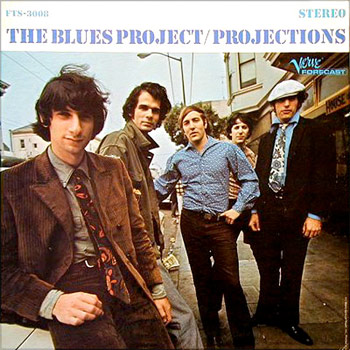
In November of 1966, The Blues Project, a perspicacious band of musicians from New York, released Projections, their second studio album. After its release the band started to fall apart. Was that the reason for the little recognition the album received? I cannot say that the volatile band relations led to a bad album, so no. On the contrary, Projections, is an excellent album that showcased the range of musical expertise that The Blues Project had.

The Blues Project was best when it consisted of Danny Kalb, Al Kooper, Steve Katz and Andy Kulberg. Kulberg, originally from Buffalo, played bass guitar and flute. Kooper, of Hollis Hills, Queens, was a wiz with several instruments, but mainly played keyboard with the band. Kalb, of Mt. Vernon, played blues guitar. Katz, also of New York, played guitar and harmonica.

The band played sharp and creative music because of the intelligence and somewhat prophetic ways of these men I just listed. The Blues Project was one of the first bands to experiment with the psychedelic sound and, along with the Grateful Dead, pioneer a style of jam-band music. If the original incarnation of The Blues Project stayed around for longer it would have been interesting to see if they garnered more respect and success. I’d go out on a limb right now and say absolutely. Projections is evidence of this.

Keep this in mind. The Blues Project’s next studio album came out in 1968. Steve Katz and Al Kooper had left and formed Blood Sweat & Tears, fulfilling Kooper’s longing to form a rock band with a horn section (which also was precocious). No offense Kulberg and Kalb (both fine musicians), but when you eliminate two important band members it is certainly tough to recover.

Projections is our best look at The Blues Project. The album does not disappoint. It has wide display of numerous rock genres and it explores lengthier, more experimental pieces. Let’s cover a few songs.

“Two Trains Running” is an 11-minute blues/rock epic. It goes under-appreciated by the masses even though it is a predecessor to the blues/rock that popular bands like Led Zeppelin played. Remember, this was released in 1966. It is way ahead of its time. Blues is the basis of rock n’ roll but long pieces like “Two Trains Running” were jam-band material that only a few bands were creating. The instrumental precision is also at a high. Everything from the sweet harmonica to incredible organ is just spot on and a pleasure to listen to. This is hard blues/rock before that genre was popularized five years after this release. The Dead were playing trippier music. This is the ol’ fashioned blues revival from a band that focused on the blues.

But…

Wait, what? This marks the sheer diversity on this album. All of a sudden we are transported to medieval Europe with this melodious beginning. This song, written by Steve Katz (hence “Steve’s Song”), showcases wonderful strings and flutes. It actually touches on the psychedelic/folk revolution that had just started taking place in 1966.

Projections is severely underrated and deserves a lot of credit for being the revolutionary album that it was.
R.E.M’s Collapse A Good Thing – Younger Decca – Happy Together (if the grades are okay)

7 Feb

R.E.M‘s New Album Best in Years

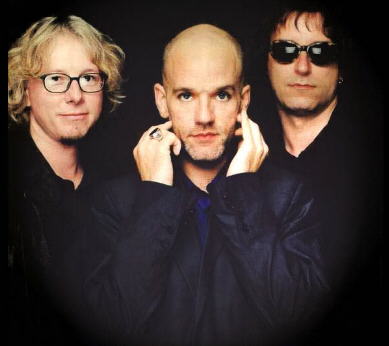
In an interview with Rolling Stone magazine, R.E.M guitarist Peter Buck said that R.E.M’s new album Collapse into Now, “is, song for song, the best thing we’ve ever done.”

That may be a slight exaggeration. R.E.M has released enough hits that their greatest hits album is jam packed with awesome material. The new album will be released on March 8 and it has garnered a lot of excitement within the threesome. Bassist Mike Mills and vocalist Michael Stipe are also quite excited about the release.

R.E.M. will not tour for this album and this is also their last release for Warner. I will definitely check out the album and encourage you all to do the same. R.E.M. was one of the only good things to come out of the 80’s musically and while the band is certainly far removed from their prime, I am encouraged by their confidence.

—————————————————————————————————————————————————————————

Decca is Back

Decca records is recording again and attempting to crack the impossible mystery of how to get young listeners interested in classical music.

“It’s kind of a reaffirmation of our commitment to classical music, a bit like renewing your wedding vows,” managing director Paul Moseley told Reuters at a lunch celebrating the re-Decca-ration

It’s tough to say because I actually like classical music, but I tend to believe that attempting to get young listeners into classical music is like climbing Mount Everest. Is it possible? Yes. But people may die and it is a massive amount of work. Decca will try to promote young artists but, let’s be real, classical music is just not sexy enough. It is not danceable and marketable to our mainstream youth. Keep trying though. I’m pulling for you.

—————————————————————————————————————————————————————————

Rock Teaching


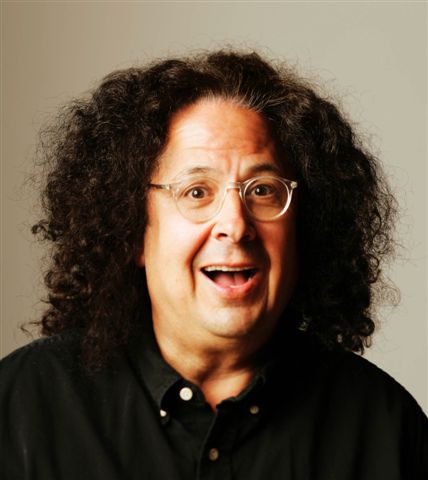
Mark Volman knows a thing or two about successful music. If I wanted to take a class on music management I would take it with him. You don’t know who I am talking about right? Volman is the curly-haired co-founder of The Turtles and is the guy making the money when you download “Happy Together” from Youtube.

Volman is just one musician that has hit the mainstage of the classroom in order to teach some young folk about music, and not just how to play it.

“People come in with this television idea that everybody is going to be the next Carrie Underwood,” Volman told John Rogers from the Associated Press. “They don’t understand how many nights you’re not going to get paid what they said you would and how many nights you’re not going to have a room to sleep in because the promoter didn’t get it in the rider you signed.”

Check out the rest of this great read: http://news.yahoo.com/s/ap/20110207/ap_en_mu/us_school_of_rock

Six Degrees of Your iPod: The Impossible Task

4 Feb

Six Degrees of Your iPod has become an excuse to embed several awesome songs into one equally as awesome post. Then, I tirelessly search for a comparison between the first and sixth song which would be significantly easier if I only liked The Beatles. Yes, I do believe that “In My Life” and “A Day in the Life” are quite connected. Unfortunately, my job becomes significantly harder when I attempt to link songs that have absolutely nothing to do with each other (which is what I often try to do). Let’s get to it.

1.) “Raindrops Keep Fallin’ On My Head” by B.J. Thomas.

This melancholic catchy tune was written for the movie Butch Cassidy and The Sundance Kid by Hal David and Burt Bacharach. Did you know that the song was initially offered to Ray Stevens and even Bob Dylan was reportedly offered the song. God, that would have been weird. B.J. Thomas took the assignment and the song propelled into a #1 hit and an academy award winner for best original song. Good choice B.J.

2.) “Happy Together” by The Turtles

3.) “Pure Love” by The Mountain Goats

4.) “I Want to Grow Up To Be a Politician by The Byrds

5.) “Imitation of Life” by R.E.M.

6.) “The One I Love” by David Gray

A great single off singer/songwriter David Gray’s seventh studio album. How am I going to compare these?

Comparison

And it is judgment time. I believe I am stumped. This is close to an impossible task. A B.J. Thomas song from 1969 to a David Gray song from 2005. An Oklahoma boy and a musician from Cheshire, England. A Grey’s Anatomy episode was named after “Raindrops Keep Falling on My Head” and David Gray’s last name rhymes with the first name of the show. That’s not good enough. Here is the best I can give you. Raindrops Keep Falling on My Head peaked at 12 on the U.S. Billboard Album charts while Life in Slow Motion, the album where “The One I Love” only hit #16 on the charts. Have anything better? I’m eager to hear what you can come up with!

The Idle Race – Bands at Bauska Castle

2 Feb

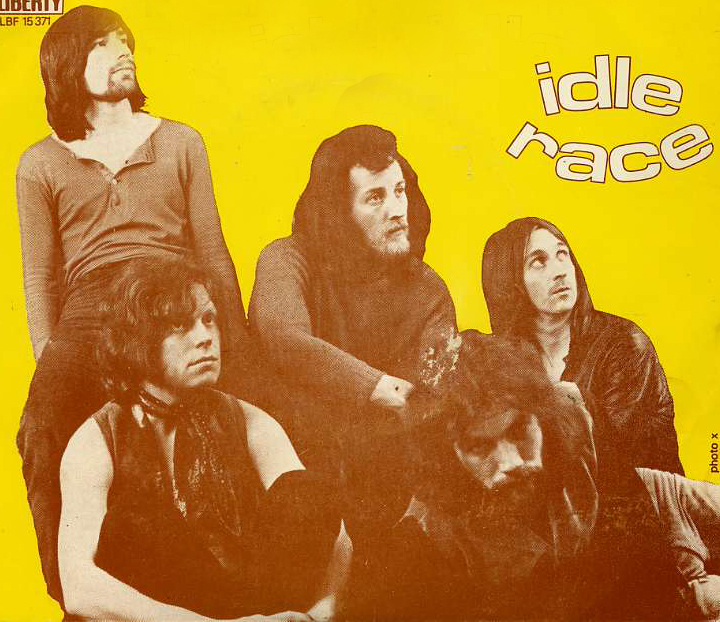
I started the section “The Bands at Bauska Castle” as a way of highlighting underrated and under-appreciated bands of the 1960s and 70s. Many of my categories have to do with crediting musicians who portrayed brilliance at a time where musical brilliance was actually commonplace. Hence why many bands remain unknown even though their music was excellent. Today I want to feature an eclectic 60’s band that found themselves caught in the trap of bad luck. They are The Idle Race.

There were many incarnations of the band that became known as The Idle Race and this constant transformation may have been why they did not gain the popularity they deserved. The band also did not release much material. But, in my opinion, I think the Idle Race remained critically acclaimed but unpopular among the masses because they were playing music that was five years before their time.

The band, who originally were known as Mike Sheridan and The Nightriders, failed to break the charts even though a young Roy Wood played guitar and composed. Wood is best known for his work with The Move and Electric Light Orchestra (who will come up later). After not gaining success with The Nightriders, Wood left and joined the Move in 1965. This prompted Mike Sheridan to leave as well. Left in the band were rhythm guitarist Dave Pritchard, bass guitarist Greg Masters and drummer Roger Spencer. This core remained together and went searching for a new leader. After a short stint with guitarist Johnny Mann, the core three put out an advertisement for a new guitarist in 1966.

The guitarist that won the job was a young prodigy named Jeff Lynne. Anyone connect the dots? Lynne and Wood went on to form Electric Light Orchestra where they became incredibly popular playing similar experimental music that The Idle Race played years earlier. Lynne inspired himself. I am getting ahead of myself.

The band wanted to showcase Lynne’s vocal and guitar talents so they changed their name to The Idle Race. Wood, who had become quite successful with The Move, helped get them a record deal with Liberty Records. They released two LPs that did not do well and Wood convinced Lynne to join The Move which dissolved into ELO.

But with The Idle Race, Lynne released some awesome material that is seemingly always overlooked by 60’s rock writers. I would like to highlight two songs from different albums.

“I Like My Toys” is a psychedelic pop piece off of The Birthday Party (1968), the first album released by the Idle Race. It sounds like an esoteric nursery rhyme. It is also somewhat disturbing if you listen to the lyric. It is about a 16-year-old who is obsessed with toys and proclaims that he “is not well.” It almost sounds like Pink Floyd’s work with “Bike” and “Free Four.” They are relatively effervescent songs with disturbing undertones. The song is simple but very different. Listen to some of the keyboard and guitar elements. Doesn’t it sound a bit like ELO.

In 1969, The Idle Race released Idle Race and off of it came “A Better Life (The Weatherman Knows).”

10 years later, Lynne released “Need Her Love,” and minus the 70’s style effects the songs are very similar. You can hear a lot of ELO in the above song. It may have just not been popular because it was before its time. A beautiful song by Lynne and Idle Race.

Bad Moments in Cover History: The Story of Knockin’ on Heaven’s Door

1 Feb

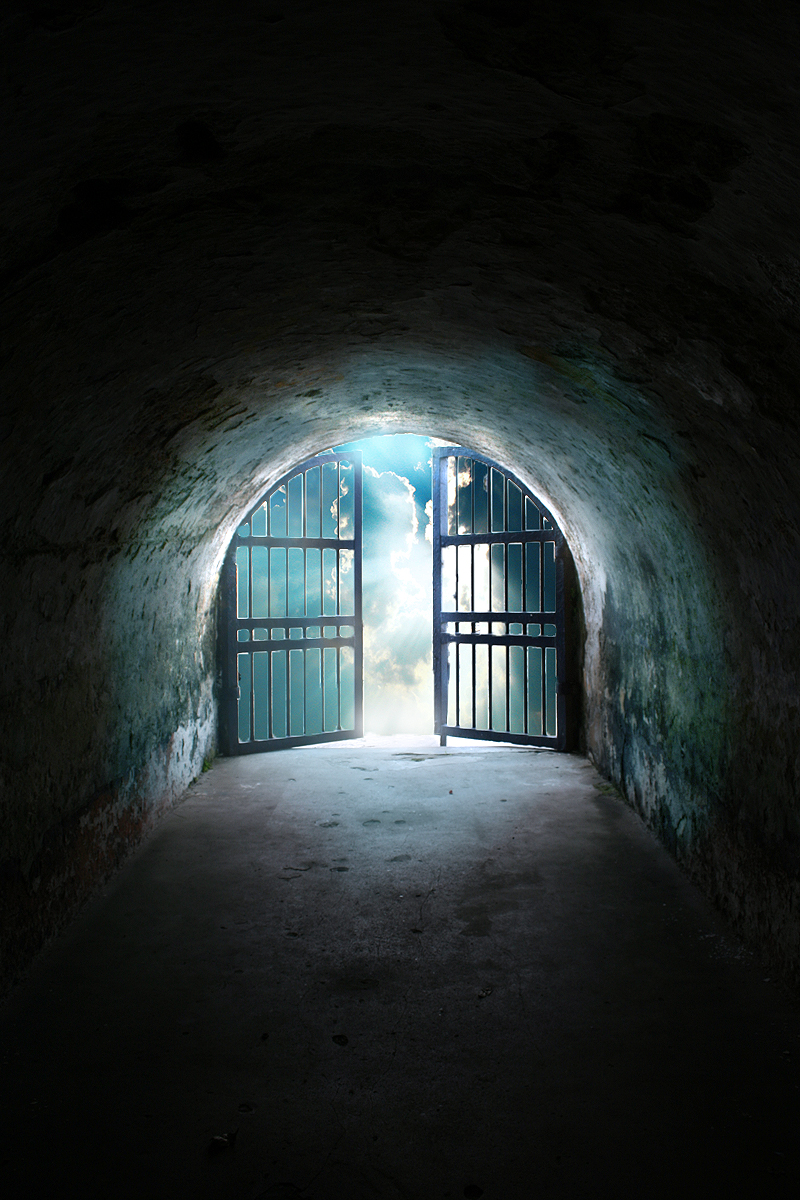
So heaven's passageway is through a cave.

The image above is a cool depiction of “heaven’s door,” a mystical concept that has provided hope for the living and breathing. The concept is simple. This heavenly door is the zenith of Christianity, a gated passageway into the high heavens and cloud nine and the land adorned with all the awesome stuff you ever want, supposing you repent and have a friend in Jesus (according to Norman Greenbaum). But if you are not “good” you are not given the entrance code and you are forever stuck envying those who punched in the correct digits and are now lounging and eating buffalo wings with Babe Ruth and Abraham Lincoln (who I’m sure would have a lot to talk about).

“Knockin’ On Heaven’s Door” is not really about heaven. It was written by Bob Dylan for the movie “Pat Garrett & Billy The Kid” and profiles an effete deputy who is dying. The song is more about ineptitude and old age. It is a melancholic masterpiece. Dylan presents something that is both melodic and austere. The simplicity of the chord structure mixed with the repetitive lyric provides a framework for all lachrymose and crestfallen pieces.

In 1987, the prototypical hair metal band decided they would start using it in their live sets. The song was then poisoned by the melodramatic, hyperbolic fingers of Axl Rose and a song loved for its downtrodden seriousness became the toy of unnecessary and cocky bedizenment. Guns & Roses destroyed a perfectly good song. Rose’s horrendous voice is so drawn out and fake it kills the song’s wonderment. “Knockin’ On Heaven’s Door” is somber. Guns & Roses’ version is an arena rock hugger-mugger that is vomit inducing. Everything from Slash’s screeching guitar to Rose’s awful voice turns the song into a showy piece of garbage. And, do you know what’s worse? People actually like it, no, love it. They think that it is the better version. Some don’t even know that it was originally recorded by Bob Dylan. Maybe it simply signifies a change in people. Seriousness in music is simply not appreciated.

Do you want to hear a good cover. Listen to Warren Zevon’s beautiful version off of his last album The Wind. That version is the model of verisimilitude. Zevon was dying when he recorded the piece and he knew its meaning.