Archive by Author

Dr. John and the Nite Trippers Bring a Little New Orleans to Westbury

26 Jul

Dr. John was not only born on the bayou; he is the bayou. A true New Orleans performer, Dr. John has combined funk, jazz, and boogie woogie blues with zydeco, the unique form of Creole rhythm and blues, for more than 50 years, and after more than 20 albums that have traversed decades of musical history, this true mountain of a performer is still at his finest.

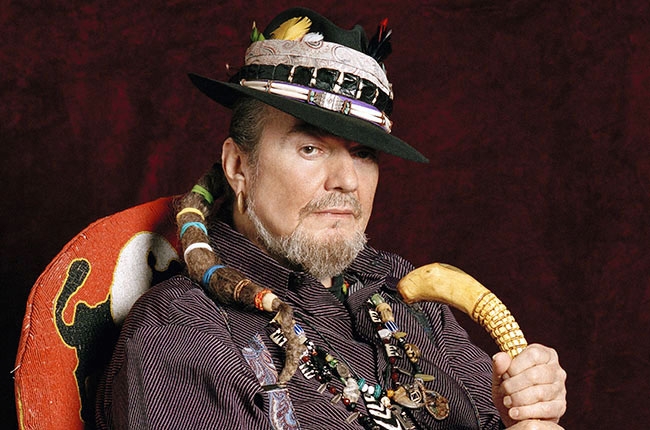
It’s not every day a musical legend stumbles into a venue a stone’s throw away from your place of residence, but last night Dr. John and his vivacious Nite Trippers played to an effervescent crowd at The Space in Westbury, a quaint venue in the town of Westbury, NY. From the set-up, classic Hamlet-skull over a draped cloth on the piano, the crowd knew it was in for a night of inspired New Orleans tunes. And, from the first notes of vivacious band leader Sarah Morrow’s potent trombone, it was clear the night would be a good one.

Dr. John grew up in the Third Ward in a musical family. He grew up inspired by Jazz and Blues musicians who he heard in his father’s record shop. When he was a teen he met legendary New Orleans blues singer and pianist Professor Longhair, whose zany dress and passion inspired Dr. John who quickly learned how to play and soon after took on the persona of Dr. John, taking the name from a Hoodoo guy he read about. Fit with his New Orleans flair, he started performing a blend of genres under the persona of Dr. John, The Night Tripper, and he quickly found success with albums like Gris-Gris, a 1968 release that propagated the New Orleans R&B Voodoo-style that Dr. John became known for in all of his future releases. A long collaboration with Doc Pomus and several contributions to other artist’s releases has placed him in the upper echelon of legendary performers, and, last night, he proved why.

The concert featured everything you could expect from a Dr. John show. His elegant flair permeated through his brown/orange suit, his recognizable snake-cane, and his colorful hat. His growly vocals and skillful tickling of the ivories and occasional guitar stylings invigorated the crowd who danced with each bluesy piece. The four-piece band (guitar, drums, bass, and trombone) surrounding Dr. John was adept and bouyant; the stand-out was the jaunty, knee-bending trombone stylings of Morrow, who played with an intensity that pumped up the crowd and band. The highlights of the night were some of Dr. John’s biggest hits (“Right Place, Wrong Time”, his cover of “Iko, Iko”, “Such a Night”) which he played with his classic, raspy voice that is most reminiscent of a particularly suave Van Morrison. My pick from the night was his cover of “Goodnight, Irene,” which turns a slow, blues staple (by Leadbelly) into a rollicky song that glides with ardor. Here is Dr. John performing it in 2011. If you have a chance, go see Dr. John! Check out his tour schedule here.

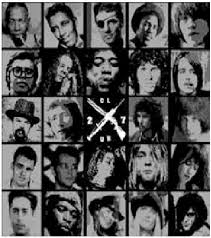
Contributions of The 27 Club

22 Jul

images


The anniversary of Amy Winehouse’s death is tomorrow. She is part of the infamous 27 club. Let’s welcome Marus Conner to the Music Court for a guest post; he outlines the longstanding impact that musicians in the 27 club had on the industry.

The Achievements of Fame’s Tragic 27 Club

Despite the fact that the world lost these extremely talented individuals at the tender age of 27, the contributions they made were astounding. The music world and, in many cases, society at large has benefitted from the impact of their lives, work and death.

Jimi Hendrix

Jimi Hendrix was a self-taught guitarist, singer and songwriter, who could not read music. Instead he played by ear without the help of a teacher. Easily, one of the biggest and most recognizable cultural figures of the 1960s, he was named the greatest guitarist ever by Rolling Stones Magazine. He revolutionized the use of a Fender Stratocaster as an electronic sound source. He was also distinctive in his playing of the instrument because as a left hander, he played a right-handed guitar upside down. This pioneering musician was the front man for the Jimi Hendrix Experience and Band of Gypsys.

Janis Joplin

Rock and roller Janis Joplin was a songwriter and lead vocalist for Big Brother and the Holding Company, the Kozmic Blues Band and Full Tilt Boogie Band. Notably she had a hit #1 song for 9 weeks in 1971, with “Pearl” which was released posthumously. Her former home in the Haight district of San Francisco was transformed into a drug rehab center in 1999, four years after she was inducted into the Rock and Roll Hall of Fame.

Jim Morrison

Brilliant Jim Morrison, with a 149 IQ and a voracious appetite for reading, was a poet, songwriter, singer, film director and front man for The Doors. He led the group to be named the #1 rock group in the United States in 1969. The group’s first three albums went gold, paving the road for a successful future that was marred by Morrison’s untimely death in 1971. At the Atlanta International Film Festival in 1969, multi-talented Jim Morrison won the Golden Phoenix Award for the film Feast of Friends. He has been included in many lists of greatest singers.

Kurt Cobain

Kurt Cobain was the lead singer, guitarist, song-writer and founding member of the band Nirvana. He led the alternative rock band to numerous awards and nominations from its start in 1992. The group was known as “the flagship band” for Generation X and Cobain was designated “the spokesman of a generation”. Twenty years after his death, he was inducted into the Rock and Roll Hall of Fame.

Amy Winehouse

Amy Winehouse was a British singer and songwriter who was well known for her throaty voice and the way in which she mixed different musical genres. Jazz, reggae, rhythm and blues and soul all came together for her, leading to 63 music award nominations and 25 awards. She was the first British woman to win 5 Grammy awards. Notably she sang Happy Birthday to icon Nelson Mandela.

Throughout her career, Winehouse was extremely generous and supported numerous charities. The Amy Winehouse Foundation was created by her family following her death to help disadvantaged young people and to increase awareness of the negative effects of drugs and alcohol.

Brian Jones

Brian Jones was the original founder of the famous Rolling Stones. In addition, he was a guitarist and played a variety of instruments. Brian Jones created the Rolling Stones, chose its members, decided on the music style, named the group and even secured gigs in the early days. He was the driving force behind the debut of the group and was known as being an exceptional musician.

Ron “Pigpen” McKernan

Ron “Pigpen” McKernan was a founding member of the Grateful Dead, being the one who suggested to Jerry Garcia that they form an electric group. As the keyboardist and singer for the Grateful Dead, McKernan was key to the group’s early success. 19 years after the death of McKernan, the Grateful Dead was finally inducted into the Rock and Roll Hall of Fame.

Dave Alexander

Dave Alexander was the bassist for the group the Stooges prior to his 1975 death. The group pioneered the genre punk-rock. He was credited as having been the lead composer on several of the songs the group and a driving force in many respects for the group’s first two albums.

Pete Ham

Pete Ham of the British band Badfinger, is a Welsh guitarist and keyboardist. He led the group, which was made famous because of its musical collaborations with The Beatles on multiple occasions. He was also a gifted composer who co-wrote songs for other performers, such as the hit “Without You” made famous by Harry Nilsson. Along with Badfinger, he is noted as being amongst the first performers of the genre power pop.

Mia Zapata

Mia Zapata, was the lead singer of the group the Gits, when she was murdered in 1993, just one month after Atlantic Records offered to sign the group. The positive cultural impact of her violent death came about at the hands of her friends who, following her death, created an organization called Home Alive that focused on self-defense. Benefit concerts for this organization featured some of the biggest names in music in Seattle, including Nirvana, Pearl Jam, Heart and Soundgarden, as well as several presidents of the United States.

Chris Bell

Chris Bell was a member of pop band Big Star, as a singer-songwriter and guitarist. He was key in the making of the band’s first album “#1 Record”, as he did vocals, songwriting and played guitar. While this album only under 10,000 copies when it was first released in 1972, yet in 2003 it was ranked number 438 in the Rolling Stone list of the 500 greatest albums of all time. This created a resurge in interest in the album.

Freaky Tah

Freaky Tah, also known as Raymond Rogers, is a rapper and a member of the hip hop group Lost Boyz. The song that propelled the group to fame was the single “Renee” from their 1996 album Legal Drug Money. It reached Gold status and was on the Billboard Top 20, and was included on the soundtrack of the comedy movie “Don’t Be a Menace to South Central While Drinking Your Juice in the Hood.” The album Legal Drug Money was number one on the Top R&B/Hop Hop List, number 6 on the Billboard Hot 200 and went Gold according to the RIAA, just two months after it went on sale.

Kristen Pfaff

Kristen Pfaff was a member of the alternative rock band Hole where she played bass and also a background vocalist for the band Janitor Joe out of Minneapolis. The Buffalo Music Hall of Fame inducted Kristen as a member just months after her 1994 death. The band Hole gives a portion of album sales to the Kristen Pfaff Memorial fund. In addition, each year a radio station in Minneapolis offers a Kristen Pfaff Memorial Scholarship of $1000.

Even though these legends did not live long, their impact on their industry and the world can still be felt today, all impressive tributes for those who left this world too early.


Marus and his friend also created a website depicting each artist mentioned in the post with some music from them. Check it out


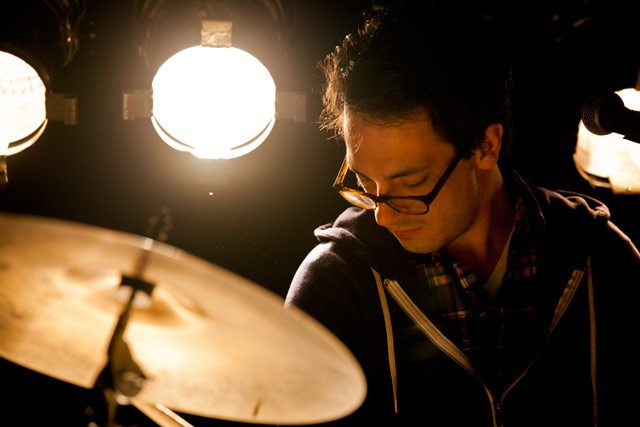
Barra Brown Quintet For a Young Heart

16 Jul

lincolnshow

July 16 is Jazz Day on The Music Court; Yes, I just extemporaneously made that proclamation. The reason? We need to talk about the Barra Brown Quintet. In order to do so, let’s all mentally travel to Portland, Oregon and join the youthful Jazz community who are making sweet, sweet music. So, who is Barra Brown? Trained flautist and drummer, member of four different musical collectives, composer of his aforementioned quintet, and all around tremendous musician. It should come as no surprise that the Portland Mercury wrote, “there are seemingly infinite amounts of up-and-coming musicians in Portland, but it’s very rare to find a universally talented musician with such promise.” I concur.

Interestingly, Brown’s quintet features Adam Brock, whose Indie/Folk stylings were featured on the blog back in January of 2014 (Read the post here) – he plays a fine guitar on the album. It also features the likes of trumpeter Thomas Barber, saxophonist Nicole Glover, and bassist Jon Lakey, all talented musicians in their own rights. These musicians, who are delicately put together by Brown, create an amalgamation of sound that is both daedalus, sensitive, and passionate. The blend is wonderful, and Brown’s quintet is carried with a youthful edge and trenchant maturity.

Back in 2013, the quintet released Songs for a Young Heart, which is the album I am highlighting today. The album, which seamlessly varies between vibrant effervescence and sun-drenched, dulcet warmth, is worth a full listen today, but if you only have time for two tracks, check out the two I include below.

“Song for a Young Heart,” the album’s title track, is my favorite on the 8-track album. It is a slow-moving, crescendoing piece that seems to echo the “young heart” as it swoons and gains emotion throughout its maturity. The song features an elegant guitar with a wonderful trumpet/saxophone interplay and crashing drums/bass. It’s a neat, cogent piece.

“How the West Was Won,” the first track on the album, is a quick piece, featuring a rock-inspired bass riff and a snap-your-finger trumpet line that is echoed by the saxophone. The bass is linked with an effective guitar solo. All of this, though, is carried by the drums, which are fragmented skillfully. It is not an easy percussion beat, yet Brown carries it effortlessly. It’s a cool piece to listen to.

Barra Brown and his quintet will release their new album – “Dreaming Awake” on July 29. Follow this link to a preorder 

Keep informed on Barra Brown’s activities on his website.


Top of the Charts – 50 Years of Not Getting Any Satisfaction

13 Jul

Rolling-Stones-Satisfaction-1

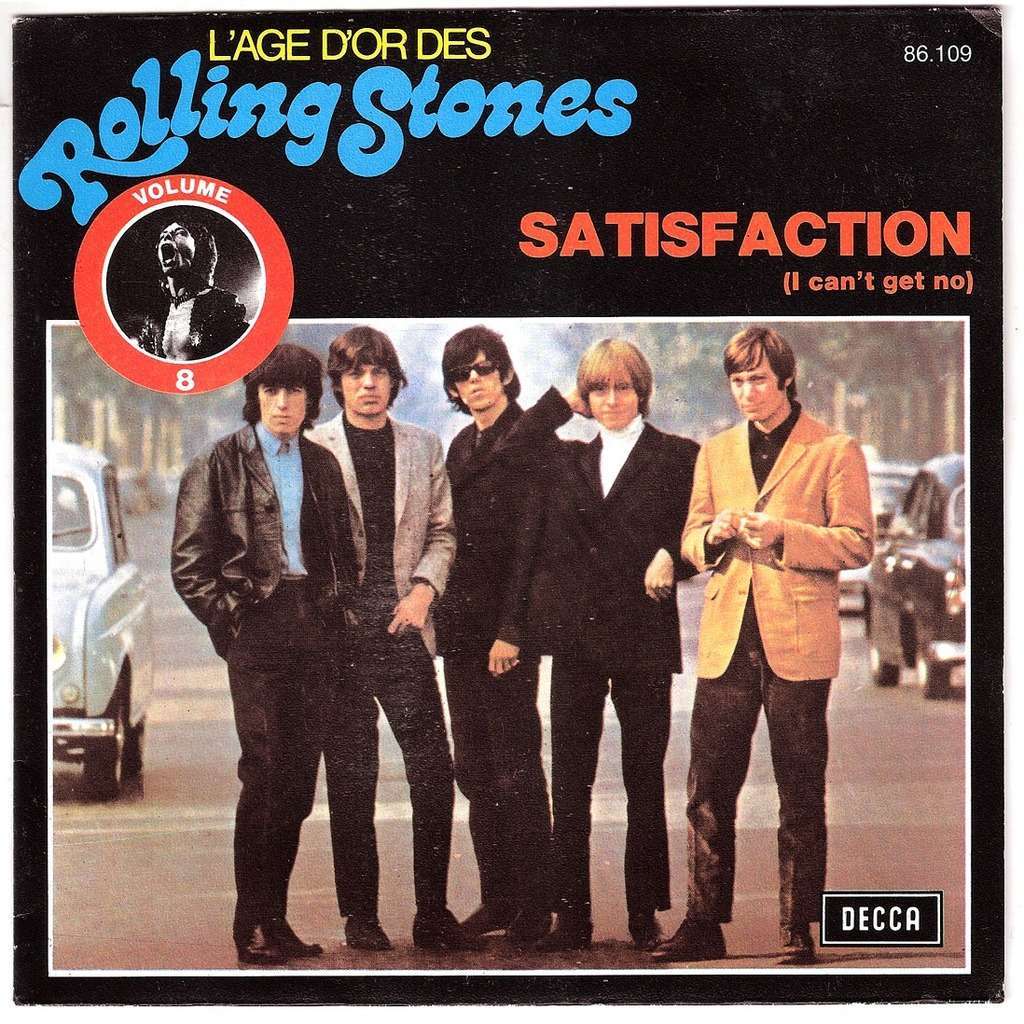
Half a century ago in the summer of 1965 a 3-note guitar riff quite literally rocked the pants off the world. Keith Richards, who would later on be known as the master of guitar riffs, laid down the rough version of the revered riff in a short hypnogogic acoustic self jam session prior to snoring through the night. We all must thank the prescience of recording the riff or who knows if the fuzz tone rock n’ roll staple would have made its mark on music.

It is odd that “(I Can’t Get No) Satisfaction” by The Rolling Stones is 50 years old this year, and it is always strange going way back in time to see what graced the Billboard Charts back before the moon landing. The song’s sheer awesomeness speaks to its staying power. Everything from the negative concord of a title line to Jagger’s angst-laden vocals to Richards’ repetitive riff to the persistent percussion that drives the song helps create a tremendous song.

The song, which plays off of commercialism and sexual frustration, was ranked by Rolling Stone Magazine as the 2nd best song of all time and has been added to the Library of Congress’ National Recording Registry. It might be the most recognizable song to come out of the 60s, and in many ways it represented a quasi-microcosm of the time period and the youth generation of the time.

All in all, the song’s efficacy comes back to that simple 3-note riff that evokes everything one loves in music, and for that, it is no surprise that 50 years later, “Satisfaction” is still rocking.

The Revivalists Can Revive Any Music Lover

7 Jul

20140903030215_did_852_col_1

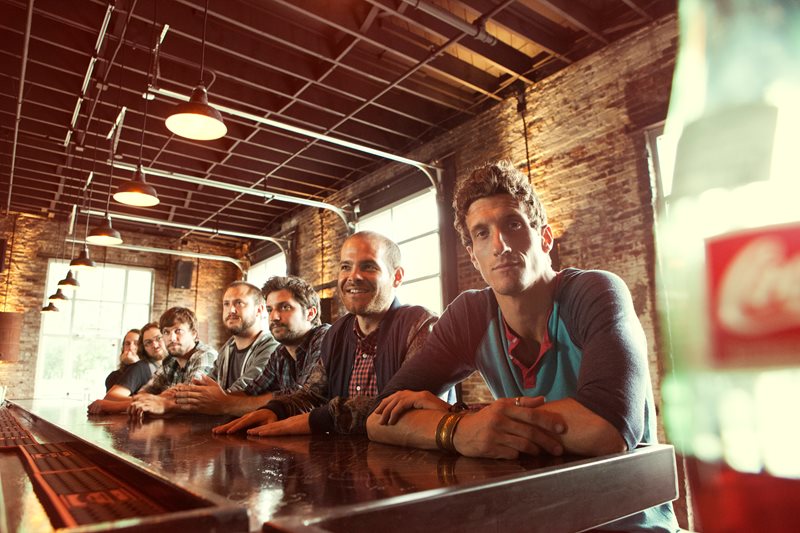
On The Revivalists About page on the band’s website, the first line proclaims that it is a surprise that the entire planet cannot hear the band playing when it takes the stage. Well, soon enough it might. With the music that the New Orleans horn/rock septet is churning out, I would be surprised if the band were not on the playlists of a plethora of music lovers across the globe. Why am I so confident? When a band so clearly presents a panoply of excellent musical attributes, it is hard not to be giddy.

So, what should you know about the Revivalists? The band’s latest album, Men Amongst Mountains, will be released on July 17 and will combine power and quality while maintaining a “distinctly raw, old-world feel.” The band has been able to cut a great following in the known musical hot spot New Orleans – if you can make it there as an Indie/Rock horn band, you can make it anywhere. The band is made up of a collection of tremendous musicians (David Shaw – vocals, Zack Feinberg – guitar, Andrew Campanelli – drums, Ed Williams – pedal steel guitar, George Gekas – bass, Rob Ingraham – saxophone, and Michael Girardot – keyboards & trumpet) who fastidiously plan a live show experience, which means the band is totally worth seeing – lucky for you there are many live dates this summer.  Oh, how can I forget the most important piece of information – the band’s sound is electric and massive! Let’s have ourselves a listen, why don’t we.

There are so many good things to say about “Keep Going” I don’t know where to start. David Shaw’s vocals are funky and mature, invoking an amalgamation of Bruce Springsteen and Brittany Howard. The instrumentation is killer – combining toe-tapping percussion with hard-line rock guitar, which form a chorus of horns and potent repetition. The chorus smooths out into a relaxed echo – horn and vocal – followed by those horns riffing in the background of the second verse. The song is magic. It’s a soulful anthem, an advice track that swoons with Shaw’s awesome vocal. I listen to this song and just imagine it performed live, and that’s always a good thing.

“Wish I Knew You” is even funkier, featuring a modern Mark Ronson guitar riff that hangs behind some airy, ethereal noises. That is where the Indie comes into play – the track combines a St. Motel-like 70s spice with a more modern electronic sound. The song has that cool sound that is just enjoyable to listen.

You can find out more about the Revivalists by visiting the band’s website, Facebook, or Twitter.