Tag Archives: Music

Rotten Covers – What is the Worst Song Cover of All Time?

24 Jul

Let’s start this post off on a positive note. There are a lot of good cover songs out there. The formula for creating a good cover song is simple. Take the original song, transform it minimally, and voila, recycled music. If you look at some of the greatest covers ever, you come up with a list of artists who covered other artists within the realm of a similar genre. There are certainly exceptions to the rule, but with said exceptions the cover artist is usually quite talented (i.e. Johnny Cash covering NIN’s “Hurt”) and the song itself can be stripped to its bare bones and sound good (i.e. Johnny Cash covering NIN’s “Hurt”). Or, on the other hand, a song already bare, with let’s say solo acoustic backing, can be spruced up a bit and made into a fuller, more extraordinary piece (i.e. “All Along the Watchtower” by Jimi Hendrix, from Bob Dylan).

With covers, though, one thing generally remains essential. The performer covering the song is not only talented, but also a multi-faceted artist. One-trick ponies perform miserable covers. So, when, for example, a screechy rock band covers a folk artist (see below) or a voluptuous country star covers a rock band (Dolly Parton doing “Stairway to Heaven”), things can go bad. And like spoiled milk, when a cover goes bad, it’s really bad.

And, despite the fact that most bands have been guilty of it (see song two sentences ago), we are not talking about musicians who steal music and rearrange it because of creative laziness, musical greed, or unconscious “My Sweet Lord” moments (sorry George). That’s not a cover. That’s theft.

With this all in mind, I am going to provide you with five examples of vomit-inducing music covers, and I want you to tell me what is the worst cover of all time. Are there other awful covers? Yes. Many. Including some truly miserable Miley Cyrus “inspiration” covers that includes one of “Smells like Teen Spirit” which is mind-blowingly terrible, but I am going to let that sit there and age a bit before we conclude whether that was just a bad joke. If you like a cover song on this list, I apologize for verbally defecating on a song you enjoy. This is clearly just my (and many other’s) opinion. But I urge you, tell me why the cover is good. Seriously, because I think it is awful and destroys the original. A full list of the songs with some unflattering descriptions is below the poll jump. Read and vote! What’s the worst?

Britney Spears (The Rolling Stones) – “Satisfaction”

You know, for the first 30 seconds of the song it isn’t that bad. Remember, we are talking historically bad here so not that bad is still awful. There just isn’t much there. In a way, it seems like she is going to turn the song into one of her modern-day libidinous sex-slave pieces that paint her out like she is a voracious nymphomaniac. And then the song passes the 30 second mark and, well, listen. Why? Britney? Why? Did Mick Jagger insult you? The cover eliminates Keith Richards’ uber-famous riff and turns the famous rock song into a pop debacle that is not even good for Britney Spears standards. Have you stopped listening yet? The song somehow is more than four minutes long. I’ll never know how it ends.

Madonna (Don McLean) – “American Pie”

Madonna and Don McLean go together like Cheerios and jalapeno peppers – they don’t – yet the pop diva with the hilariously fake British accent decided to take on this American classic. By take on, I mean burn. In a similar manner to Spears’ awful cover of “Satisfaction,” Madonna’s “American Pie” starts off decently, with only a slight echo effect on her voice. And then, what the hell is that synth. Look, I totally understand changing up a song, and you don’t have to sit down with only an acoustic guitar and bang out the entire hit, but a synth only makes a song that deserves so much more sound like an 80’s sunshine track mixed with creepy Eiffel 65-like echoes and monotone Madonna plugging away at only one damn verse and the beginning and ending. I guess we should be thanking the Kabbalah that she didn’t record anymore of this washed-down piece of a junk cover.

Limp Bizkit (The Who) – “Behind Blue Eyes”

This one is more difficult to hate on at first, because Limp Bizkit doesn’t ruin it until later. The song is one of the Who’s most raw works, and the initial shock that Limp Bizkit, who, if you remember correctly, told us to shove a cookie up our collective yeah, would actually cover a serious song is odd enough. But initially the song is quite stripped down and actually halfway okay. It’s not a great cover. The vocals are nothing special. Vocal effects make it sound better, but, hey, everyone does that now’a’days. And then 2:30 comes along and you just shake your head at what the hell the band was thinking when they decided to put a robotic voice over an eerie whistle. They actually destroyed their already pretty bad cover.

Guns N’ Roses (Bob Dylan) – “Knockin on Heaven’s Door”

Guns N’ Roses’ cover of Bob Dylan’s “Knockin on Heaven’s Door” comes to us with more than eight million views on YouTube and more than 30,000 likes. Statistics like that make me question my faith in our population of music listeners. I’ve talked about why Guns N’ Roses’ cover of Dylan is overproduced garbage in the past. Allow me to copy and paste my thoughts on this from an article I wrote that you can view here.

“In 1987, the prototypical hair metal band decided they would start using it in their live sets. The song was then poisoned by the melodramatic, hyperbolic fingers of Axl Rose and a song loved for its downtrodden seriousness became the toy of unnecessary and cocky bedizenment. Guns & Roses destroyed a perfectly good song. Rose’s horrendous voice is so drawn out and fake it kills the song’s wonderment. “Knockin’ On Heaven’s Door” is somber. Guns & Roses’ version is an arena rock hugger-mugger that is vomit inducing.”

Shakira (AC/DC) – “Back in Black”

Shakira’s “Back in Black” is one of the worst things I’ve ever heard. There, I said it. She gyrates her way to an over-indulgent, incomprehensible, sheep-like, faux-jazz to power rock anthemic version of AC/DC’s hit. Now, don’t get me wrong, AC/DC was every bit difficult to understand, but their rock saturated original is purposeful. Shakira sounds like she just took seven shots and got up on a stand-up table at a bar/grill to sing and dance without music while her poor friends stare on in pain. Well, there goes Shakira again – someone should probably tell her to stop stepping on the nachos. And every time she sings black she sounds like a lamb out to slaughter. Stop it. Stop putting on the fake quiver in your voice. Your vibrato sounds like a farm animal. If she is back in black, I want to be as far away from her as humanly possible.

Have any other horrible covers in mind? Let us know about them in the comment section!
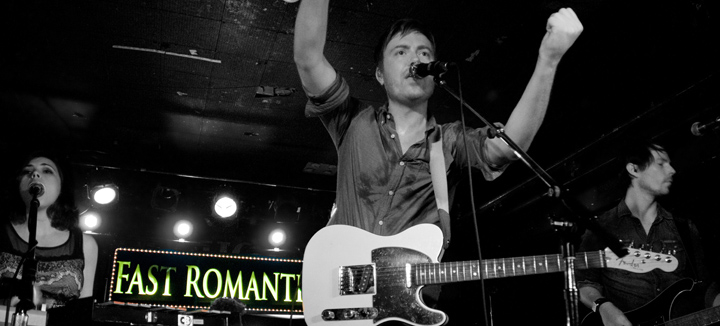
The Fast Romantics Sing Their Funeral Song

17 Jul

The Fast Romantics are one of Canada’s most prominent new acts. Their fresh brand of Indie Rock has driven the Calgary band to several festivals, live tours, MTV Live, and television shows like Vampire Diaries, One Tree Hill, and Pretty Little Liars…all in just five years. Perhaps we should add the title of hardest working into this brief description. They have set the course to tour with abandon and complement time on the road with the creation of their sophomore LP Afterlife Blues, which the song I am reviewing below finds itself on.

Three former members of the Calgary-based band The Mood formed the Fast Romantics in 2007 – Matthew Angus, Matthew Kliewer, and Jeffrey Lewis. The band quickly added a drummer (Alan Reain) and hit the tour circuit before cutting an album in 2008. In 2009, the band was selected as one of the finalists of Spin Magazine’s “Free the Noise” competition and hit New York to perform at CBGB. Since then the band has added Laurna Germscheid on backup vocals and keyboards and John de Jesus on lead guitar. The resulting combination has produced this sound.

It is very easy to like the Fast Romantics. Let me explain. Actually, I don’t need to explain. The music is simply exciting, productive, infectious, and just plain good. All you really need to do is press play and enjoy the song – even if it is their funeral song. But I am going to go a little more in-depth here so stick with me. The beginning features an intriguing mixture of compounding noises. I am absolutely gaga over the immediate piano and lead guitar play. I love the split riff and pretend disorganization. It accentuates that indie bar feel, as if you hear the piece and immediately pick a partner and prepare to dance. A whistle prefaces the main riff’s rhythm that leads into the vocals. Perhaps my favorite part of this song is the create use of harmony. The line-finishing blend of voices is beyond fun, it’s skillful, a true sign of a band that knows what they are doing. I’m also loving the excellent bass guitar work. Comparison seekers, I will say I hear a blend of Arcade Fire, Bell X1, and Talking Heads, but I mostly just hear the advancement of the sound that the Fast Romantics depicted in their first album. It is now more expansive, but despite the additions, tighter and well-formed.

For more information on the Fast Romantics and their new album check out their One Sheet, Myspace, Facebook, and Twitter

Drunksouls and Their Music Revolution

27 Jun

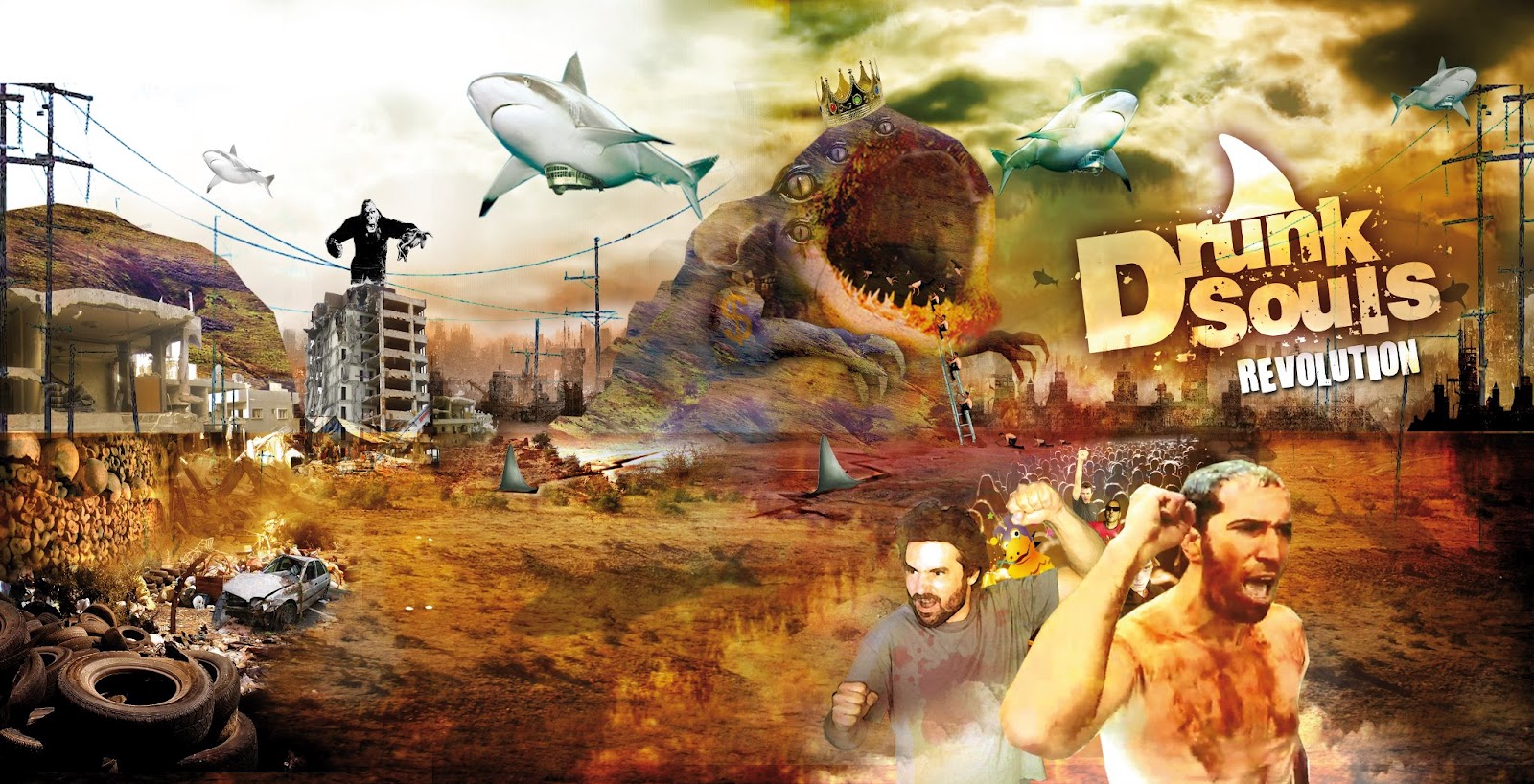
Flying sharks, 20’s King Kong, deformed multi-eyed beasts, fist-pumping humans — Yeah, sounds like the future.

Drunksouls play a variety of “drunk” music, a genre of musical expression created and defined by them. Well, beyond “groove” it’s not really defined. I am going to try my hand at creating a definition. “Drunk” music represents an odd phenomenon that often occurs when one is intoxicated – the combination of consuming several genres, like foods when drunk, into a mishmashed Huck Finn-like jumble that you don’t think could possibly taste good, but when you take a bite out of it you are satisfied. Now I promise I am perfectly sober writing this post, so perhaps my analogy isn’t the best. The fact remains, though, that Drunksouls combines elements of rock, reggae, 90s ska, funk, and electronic music into a combination that is refreshing and original.

Drunksouls does not only represent the most diverse band we have profiled here on the Music Court, but also they are the first international act that has graced our digital platform. The independent French band carries almost ten members in their fun coterie and their new album Revolution features 16 tracks, with a few gems that I will profile today.

Firstly, though, we must look at the busy album cover above. It’s like a 10-year-old’s nightmare after he has seen Jaws, King Kong, and Tremors, all in one night (what horrible parenting!) It’s also bloody awesome. Is it representative of the tunes? Sure! It’s a combination of a whole bunch of odd stuff. It fits right in. Let’s get to some music. We will start with my favorite song on the album which is called “Human Race” and falls as track two.

The five-minute song begins with a four-chord surf-guitar progression played by guitarist Julien Mur. This leads into head-nodding ska beat produced by Pierre Pesin and the trumpet. It is an attractive rhythm and infectious. Djamil Ramdane, the vocalist for the group, has an eccentric voice that is high and effective. He effortlessly produces the verse which has such hedonistic gems as, “Always looking for a better heaven, Cause everything is not enough for me” which made me laugh at its satire. The chorus is followed by some alien electronic noises and a small change-up in the rhythm, but the horns come back and normalcy (if you can call it that) is restored. The song is fit with a guitar solo as well. It is an excellent ska piece (one of the best I have heard in years) and I just want to listen to it again.

“J’ai fait un reve,” the following track, which means “I Had a Dream” is another song that deserves a mention. It is immediately different from its previous tune, featuring a bluesy guitar over a Spanish-sounding rhythm and a spacey swooning noise. The initial beat is replaced by an acoustic guitar and the vocals for the first few lines and then it comes back. It is a pleasant riff, invoking images of a calm beach and sun. It’s a shorter song, but I love it for its simplicity.

I urge you to check out the rest of the album. Take a listen to “Happy Death Day,” another gem from the album.

You can stream the entire album for free on the band’s Soundcloud and make sure to like them on Facebook

Elijah Behar and Hollow Body

29 May

Elijah Behar

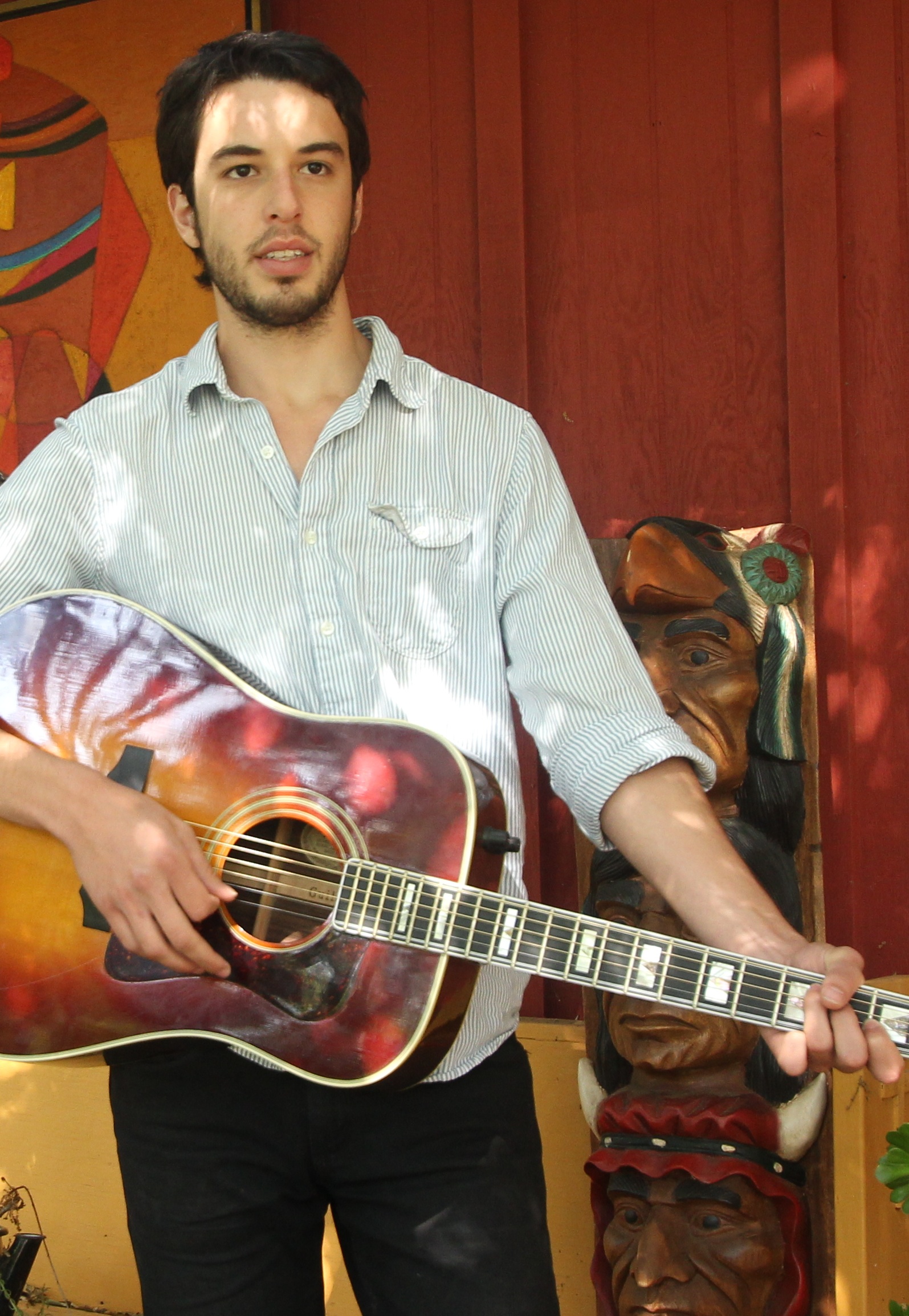
What happens when you combine influences like The Doors and the Velvet Underground with Radiohead, then stir the concoction with soulful singer-songwriter’s Jose Gonzalez and Leonard Cohen, and then top it off with a taste of modern electronica. Well you certainly get an intriguing blend of experimental folk, and Elijah Behar, a 22-year-old Californian musician now living in Los Angeles, has proven that such a blend of influences can not only work but also flourish.

Elijah released a solo EP entitled Hollow Body in April (which can be downloaded for free on his bandcamp page), and I do not hesitate in saying that this five-track release is fresh and exciting. His deep, lush voice invokes the engaging baritone of The National’s lead singer,  folk powerhorse Matt Berninger, and it also features a sensual quality like Jim Morrison himself. The voice suits the music perfectly as expressed in the first track on Hollow Body, “Black Sage.”

I had the opportunity to interview Elijah through e-mail where I asked him about his influences, music, and future. Before I post our conversation, I want to pull out one apt comment he made when asked about the creation of “Black Sage”

My aim for a track like Black Sage and the whole EP in general was to do only as much production as the song needed to deliver its full impact. I have been involved with projects that get produced and “perfected” to the point where the songs turn sterile and lifeless. On this EP I wanted to start with an acoustic guitar and a voice and build elements around those two instruments that simply compliment the original intention of the song.

Here is “Black Sage”

I would stress to Elijah that what he is doing here is what he should continue doing. The haunting piece features this dark acoustic riff that mixes with his slippery voice that is almost surreptitious and devilish. The song shifts at 1:30 into a Radiohead-like keyboard riff that purposefully lags with the percussion. The following echo is just a total mindscrew. The effects are well done. It is a treat to listen to Elijah manipulate the music and I think this has a shot to be the title track on full LP.

Here is the rest of the interview:

1) When did you first start writing and recording tunes?

 I started playing music at 14 and by the end of high school I was writing, recording and playing with a handful of bands in my hometown, Ojai, CA.

 2.) When you were growing up who were some of your biggest influences and how did those musicians shape you?

Growing up my biggest influences were The White Stripes, The Doors, and The Velvet Underground; pretty much the basic rock and roll package. Over the last few years I have become a diehard Radiohead fanatic (post OK computer), and have been loving more direct singer-songwriters like Jose Gonzalez, Johnny Cash, Leonard Cohen, and Elliot Smith. I also love electronic musicians like Modeselektor and Aphex Twin. These musicians continue to shape how I approach songwriting and performance.

3.) Is Hollow Body your first release? What were you trying to accomplish with the songs?

Hollow Body is my first solo release but definitely not my first project. I put out an album with the rock band I fronted, Marquee (www.marquee.bandcamp.com) a year ago, and have released a few other projects before that.

With Hollow Body, my goal was to define myself as a musician who combined the raw intensity of rock with the emotional honesty and directness of a more stripped down form, like folk music. I would define my genre as Experimental Folk.

4.) What is your favorite part about recording music?

My favorite part of recording music is towards the end of mixing where I feel like I can finally let go of the material that has bouncing around my skull for months. It’s a relief to have the music exist outside of me.

5.) I always ask this and it is often the most difficult question. If you had a chance to have record a session with three musicians (alive or dead) who would they be and why?

If I could have a recording session with anyone live or dead it would be with any members of Radiohead and Nigel, their producer. Actually I would be happy just bringing them coffee and cooking for them while they recorded new material.

 6.) What is in the future for Elijah Behar?

 In the immediate future, I will continue playing shows in and around LA, make some music videos, and record some demos of new material I have written since Hollow Body was released. Beyond that, I hope to tour the west coast as soon as possible, and I have been meeting with some heavy hitters in the music industry (can’t mention names) who want to help me expand.

One more song for you and then I urge you to check out his Facebook for more details.

A pretty standard folk tune that accentuates Elijah’s killer voice. Good luck to him!

The Left Banke Brings Baroque Back to B.B. King’s Bar and Grill

1 May

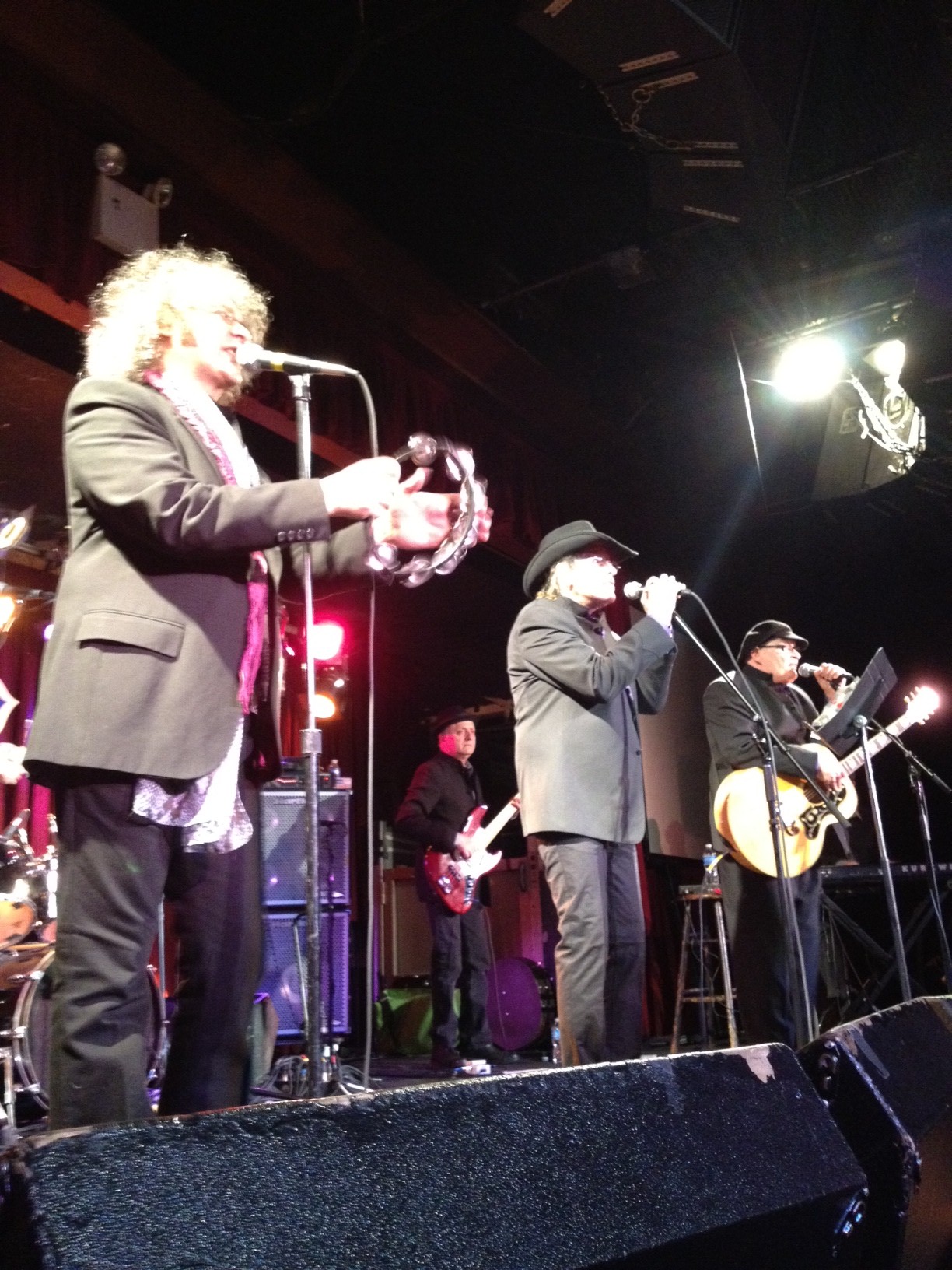
Front row seats and an iPhone = Pics o’ Plenty

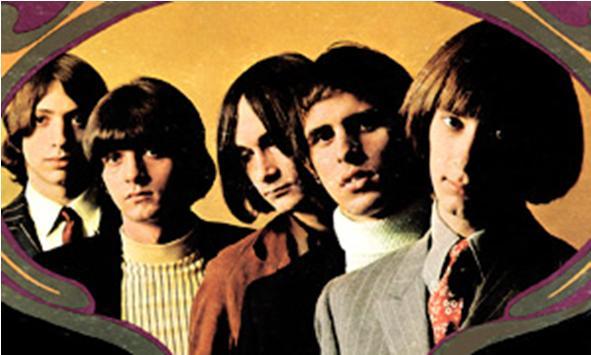
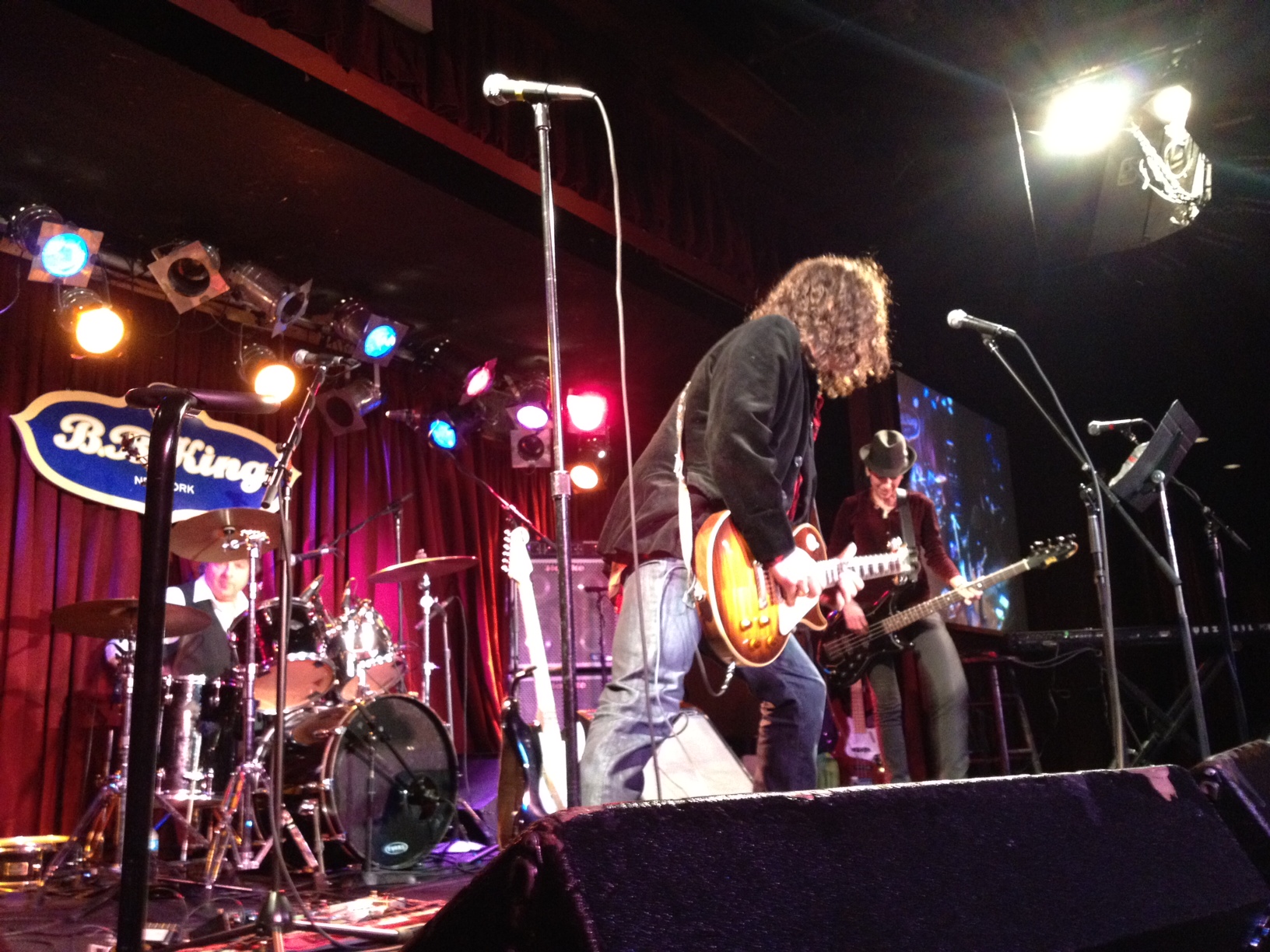
In 1966, a group of musicians tried something a little different. Inspired by the British Invasion and the incipient inclusion of string instruments in rock n’ roll songs, The Left Banke, under the auspices of writer/keyboardist Michael Brown’s father Harry Lookofsky (a session violinist who ran a studio and became interested in the band’s sound) sold a piece composed by Brown called “Walk Away Renee” to Smash Records. It didn’t take long before the song became a hit, disseminating this creative new style to several of their contemporaries who observed this string-laden rock and tried it out for themselves. The song features a noticeable string section, harpsichord, and a flute solo (inspired by the Mamas and Papas “California Dreamin”). The music was inspirational, ethereal, melodic, but most importantly different and refreshing. It is pre-progressive rock and pre-psychedelic. And what’s so freaky is that the band members were teens. Now, 46 years after the song’s release, the Left Banke are back, and last weekend I was fortunate enough to see them reunite and play B.B. King’s Bar and Grill in New York City.

I want to focus this post not on the history of this underappreciated band, but on the concert which featured a revitalized and excited Tom Finn, George Cameron, and, in place of Steve Caro, killer vocalist and guitar Mike Fornatale. Current members also include Paul Alves – Guitar, Charly Cazalet – Bass, Mickey Finn – Keyboards,  Rick Reil – Drums / Vocals.

The Left Banke was joined by opening act Alan Merrill who too was a trend-setter. The Bronx-born son of jazz musicians became the first westerner to achieve pop star status in Japan. He actually tried out for the Left Banke in 1968 and while the audition was successful the band dissolved. He moved to Japan and tried to start a career there which faced some initial stumbling blocks but eventually became extremely successful and he was boosted into teen idol status. This was all before he co-wrote and released the first version of internationally recognized mega-hit “I Love Rock n’ Roll” which you all know to be by Joan Jett. His set was short but his three-person band (including himself) performed up-beat rock beats with Merrill soloing on his electric. And, as expected, at the sound of “I Love Rock n’ Roll” everyone perked up and started singing along because it is actually impossible not to sing that chorus.

Alan Merrill

The Left Banke walked onto stage soon after. Well, actually all of them but one; Tom Finn was somewhere on the main floor. The band shared a great laugh with the crowd before Finn climbed on stage, plugged in, and assured the crowd that it got better. Finn looked at Cameron and the band, counted down, and they were off, performing track two on side one of their seminal album Walk Away Renee/Pretty Ballerina. “She May Call You Up Tonight,” a Brown and Caro composition, sparked immediate harmonies that showed no rust.

The Left Banke concentrated on meticulously perfected harmonies and I’m sure they would have been disappointed if the melody was off, but, they were even more on than I thought they would have been. Fornatale’s excellent voice certainly helped, but I give Finn and Cameron credit for successfully jumping right into mid-60s form. If you closed your eyes (and ignored the difference in lead vocalist) you were transported back to youthful smiles and moptops.

I’ve discussed “Pretty Ballerina” before on this blog. This has been a song that my father (who also attended the concert with my girlfriend and me) and I have talked about at length. There is something so eerie and depressing, but surreptitiously beautiful about this Brown composition. It is dream-like (understandably when you look at the lyric) and repetitive. It is that piano repetition that gets you.

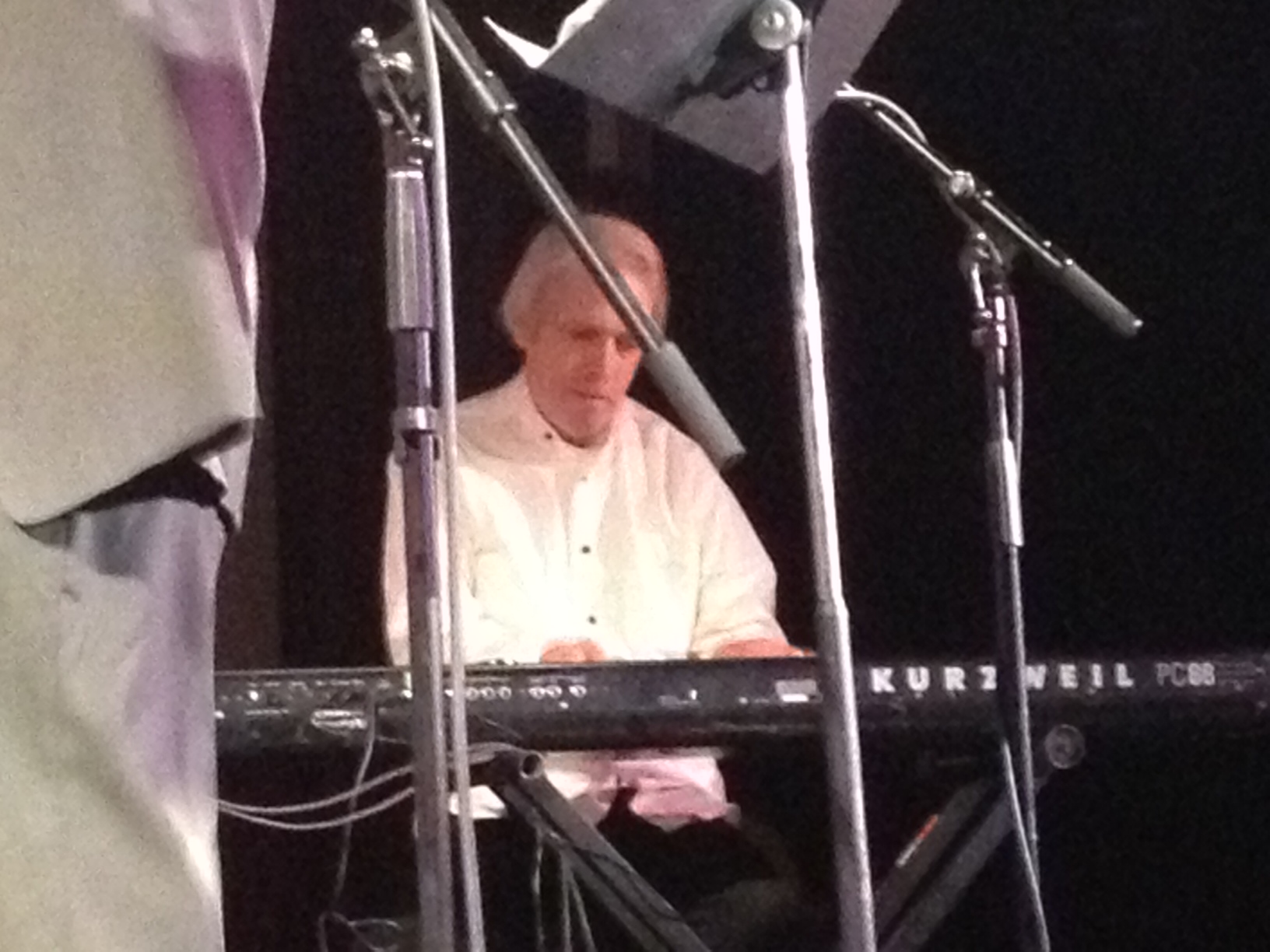
And wouldn’t you know it, the man himself, Michael Brown, joined The Left Banke to play his trademark keyboard riff. When he walked on stage he received a warm standing ovation from the crowd who more than appreciated his appearance and, he jumped right into the riff like never missed a beat. He never did miss a beat. I will say it now. I have said it many times. “Pretty Ballerina” was one of the most creative and influential songs written in the 1960s and it is a shame more do not know of it.

Michael Brown doing what he does best.

The Left Banke played 23 songs during the show and sampled from their first two albums and other catalog material. Songs like “Barterers and their Wives,” “Shadows Breaking Over My Head,” and the Finn-creation “Nice To See You” received some of the most applause. For one man sitting a few tables down for me, “Bryant Hotel,” sung by George Cameron, was the absolute highlight of his night. It’s a great song, but he was practically begging for it.

The show also featured a talented two-person string section of violinist Lynn Bechtold and cellist Ben Larsen who provided the refreshing strings to most of the pieces.

Like all good things, the concert did come to a close, but I learned a few things. First off, The Left Banke is creating new material and make sure to keep in tune with their Facebook for more information.  You can also check out their website and a great fan page.

Mainly, though, I learned that the Left Banke should be higher regarded in 60’s music history books. Despite the band’s limited releases, their influence on several baroque pop bands that came into popularity in the early 70s cannot be overstated. They grandfathered that movement and were a gigantic influence on progressive rock.